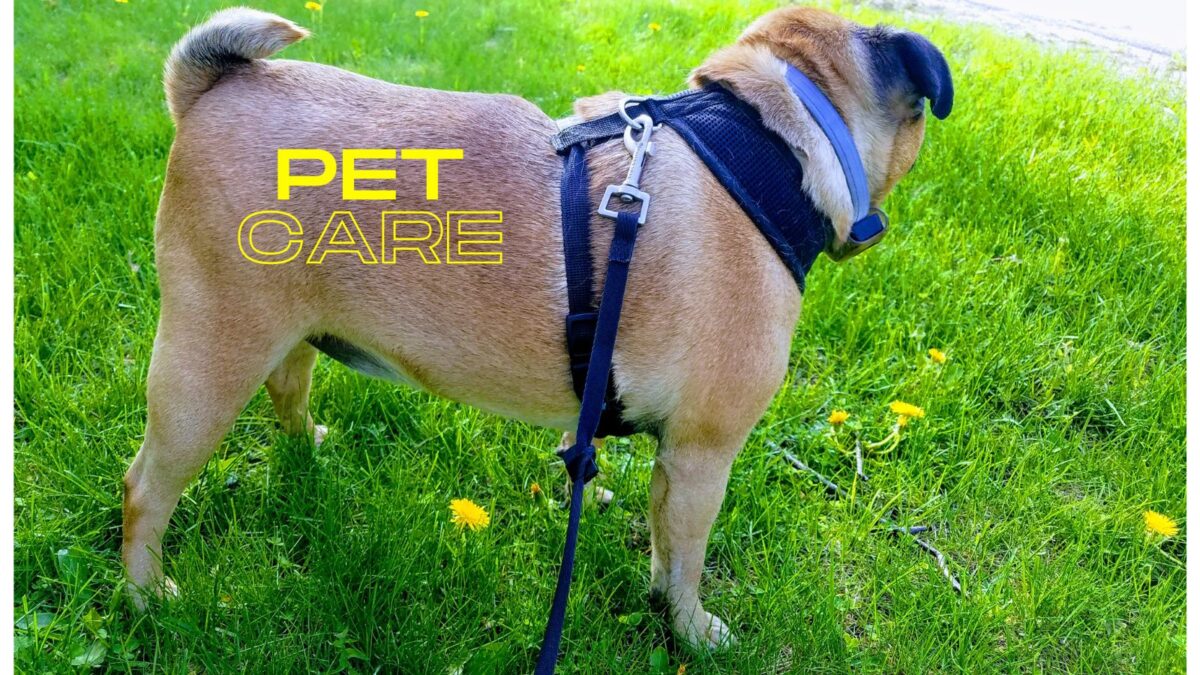
If you live in a rural area, it may seem like your pets can wander and explore without much trouble. However, rural living brings its own set of risks for animals. Also, finding dependable pet care services close to home can be harder than many people expect.
In many cases, pets in rural areas face more danger because emergency help is farther away and outdoor threats are more common. As a result, you may need to treat small problems at home or make a long drive to reach a vet.
We lost our dog, Hunter, to diabetes a few years ago. It was hard when he needed urgent care, but we were lucky our vet shared his cell phone number for emergencies. We still miss that little guy.
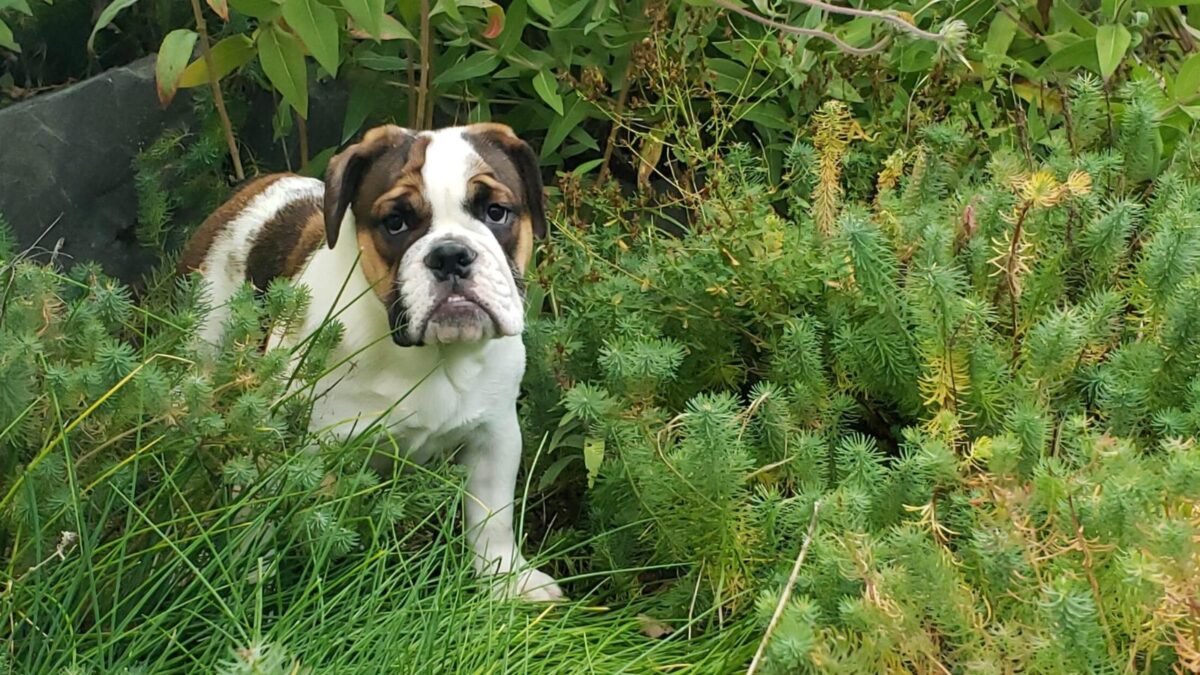
Then, almost a year later, we brought home a new puppy. This time, we picked a larger breed, a Victorian Bulldog, because we wanted better protection from local wildlife.
This post from Rural Area Life shares practical tips for rural pet care to help keep your pets safe while living in a rural area of the country.
Key Takeaways of Rural Pet Safety
- Pets in rural areas face higher risks from wildlife, poisonous plants, farm equipment, extreme weather, and limited access to emergency vet care.
- Keep pets supervised outdoors, use a leash during walks, and bring them inside during storms, heat waves, heavy cold, and hunting season.
- Prepare for emergencies by identifying the nearest urgent care vet, learning basic pet first aid, and keeping extra food and medications at home.
- Watch ponds, lakes, and frozen water closely because bacteria, parasites, thin ice, and drowning can all put pets in danger.
- Rural pet safety works best when you combine prevention, close supervision, and advanced planning for care that may be far from home.
Why Are Pets In More Danger In Rural Areas?
Pets in rural areas face increased danger due to a lack of supervision and proximity to wildlife. With fewer neighbors nearby to keep an eye out and vast open spaces for pets to roam, the risk of encounters with wild animals, such as coyotes, moose, or bears, is higher. Other reasons include:
- Toxic plants
- Water hazards
- Equipment
- Extreme weather
- Limited vet access.
1. Pet Safety With Your Plants
Be aware of the poisonous plants in your area that can harm your pets. Some plants, like poison ivy and poison oak, can cause rashes and other skin irritations in both people and animals.
If you’re unsure whether a plant is safe, err on the side of caution and keep your pets away from it. Learn which vegetation in your area can be harmful to pets. Some may be more harmful to dogs than to cats, etc. Learn which plants are in your rural area and how they can interact with your beloved pet.
Some dangerous plants to pets may include:
- Lillies
- Poinsettias
- Tulips
- Daffodils
- Daisies
- Baby’s breath
- Dahlias
- Peonies

2. Wildlife In Rural Areas
Watch out for wildlife. Animals like raccoons, skunks, and opossums can carry diseases that are harmful to both humans and animals. Additionally, snakes and spiders can be dangerous and even deadly to both people and pets.
If you see any wildlife on your property, make sure to keep your pets away from it. Even if you don’t see them but hear about them in town, that wildlife is around, keep your pet safe inside or attended when outdoors.
When I walk our dog, I always have her on a leash to protect her from potential encounters with moose, deer, coyotes, or other wildlife in the area.
3. Rural Pet Safety- Never Leave Unattended
Know the risks of leaving your pet unattended outside. In rural areas, there are often more cars on the road than there are in urban areas. This means that there’s a greater risk of your pet getting hit by a car if they’re left unattended outside.
Additionally, extreme weather conditions, such as thunderstorms and heat waves, can be more common in rural areas. Therefore, it’s essential to bring your pet inside during these times.
4. Rural Pet Care For Extreme Weather
Whether you live in the north with frigid temperatures and lots of snow or down south where it’s hot and humid, both pose different threats to your pets. If you live in an area with extreme cold, your pet could freeze if left outside for an extended period.
We have an electronic dog door, and if the battery wears out, it could keep our dog outside. She doesn’t bark when left out, so we have to keep an eye on that here.
You may want to invest in some sweaters and snowshoes for your pet. There are also orange vests and collars if hunting is allowed in your area. You would not want your pet to be shot mistakenly by hunters.
You may be able to shop for these types of clothing for your pet locally at pet care stores. We have seen these orange vests and collars here in our little rural town.
5. Farm Equipment and Your Rural Pets’ Safety
Keep an eye on your pet around farm equipment. If you live near a farm, there’s a chance that your pet could come into contact with farm equipment like tractors or combines.
These machines can be very dangerous—even deadly—for both people and animals, so it’s essential to keep your pet away from them.
Always have a backup mirror or camera on your equipment so you can see in front and behind the machinery at all times. Not only to protect your pets, but also children and other people who may not know you are coming.
6. Rural Pet Care For Swimming
Be aware of the risks of letting your pet swim in ponds or lakes. While swimming is an excellent way for your pet to cool off on a hot day, it’s essential to be aware of the risks involved. Many bacteria and parasites can live in ponds and lakes, some of which can be harmful to both people and animals.
Additionally, drowning is always a risk when swimming, so make sure that you never let your pet swim unattended.
7. Keep Pets Away From Frozen Ponds
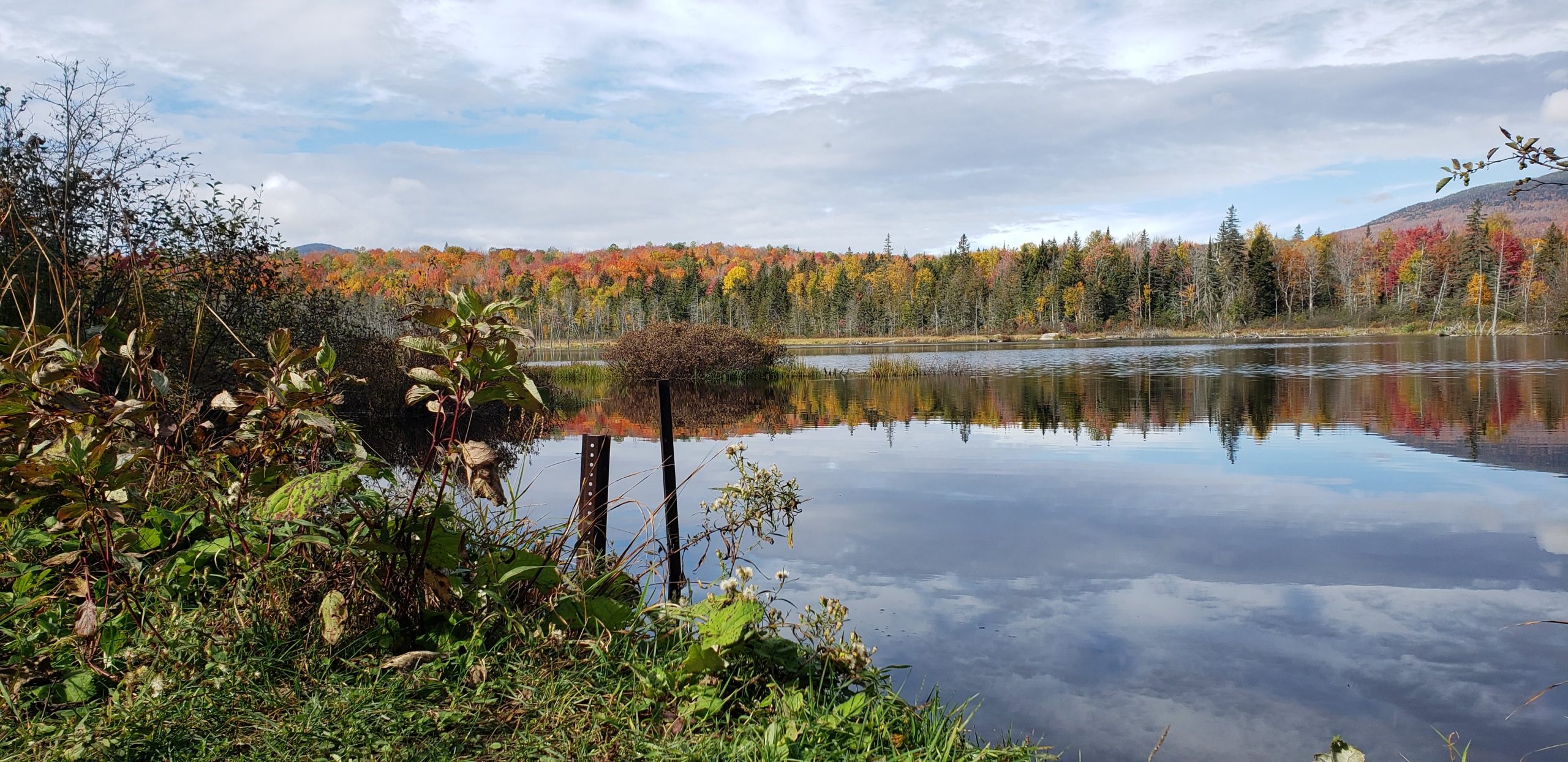
To protect your pet from drowning in a frozen pond or lake, take proactive measures to ensure their safety. Keep a close eye on your pet when near bodies of frozen water, and use a leash for added security.
However, if your pet does fall through the ice, do not attempt to rescue them yourself. Instead, call emergency services immediately for assistance.
Educate yourself about pet CPR and first aid so you can provide immediate care if necessary. By staying vigilant and prepared, you can keep your furry companion safe from potential dangers during the winter months.
Other things to do if your pet gets into a pond or lake include:
- Rinse pets after pond swims
- Watching for vomiting or diarrhea
- Avoiding unsupervised access to frozen ponds
8. Pet Urgent Care is often far away in rural areas
If you need veterinary care for your pet, you may have to drive an hour or two away. You may want to take a course in pet care to manage some of the simpler health issues your pet may encounter in rural areas.
However, do set up a pet urgent care well visit so you can get an appointment if there is an emergency with your family pet. In our rural area, we learned that no veterinarian would perform allergy testing unless you drove hours away.
The same applies to any special pet care needs you may have. Having a vet who specializes in pet care is essential when you live far away from cities.
When our old dog Hunter developed diabetes, thankfully, we had an urgent care facility for pets for him. It is still an hour away, and he was almost in a diabetic coma.
You can be prepared with your pet with this checklist:
- Know the nearest vet
- Emergency clinic
- After-hours phone number
- Route time
- Pet records
- First-aid basics
9. Stock Up For Your Pets
Living in a rural area means being prepared for unexpected situations, including having enough pet food and medications on hand. Limited access to stores and veterinary services makes it crucial to stock up on these essentials.
Running out of pet supplies in a rural area can be a significant challenge, so it’s essential to plan and have an ample supply of food and medications for your furry companions.
Additionally, consider the expiration dates of medications and the amount of food your pets consume to ensure you have enough to last. Taking proactive steps to stock up on these items can provide peace of mind and ensure that your pets’ needs are met, no matter the circumstances.
We relied on Chewy for our dog’s food and some medicines. Ordered, shipped quickly, and I had his food on autoship. After he passed away, Chewy sent us a dozen roses. We could not believe it!
Pets – Great Protectors In Rural Areas
One thing that surprised me in our rural area was the number of large dogs in the community. It seems many like having them warn trespassers on their property. Or to warn you of impending danger from other wildlife in the area.
He is so much fun. Sweetheart. Good protector too, being partially a Great Pyrenees. Booming barks at the coyotes last night. This is a rural area about 20 miles from the Blue Ridge Mountains.
— Ryan Biddulph | Blogging From Paradise (@RyanBiddulph) November 13, 2022
What to Expect When Moving With Pets to a Rural Area
When you move to a rural area, your pets usually get more space, but they also face new risks, like:
- Wildlife
- Loose livestock
- Ticks
- Less fencing
Because vet clinics and emergency care may be farther away, you’ll need to plan for routine visits, meds, and after-hours problems. In addition, dogs and cats often need time to adjust to quiet surroundings, new smells, and fewer physical barriers, so close supervision matters early on.
Conclusion: Pet Safety In Rural Areas
Pets are part of the family, and just like any other family member, you want to make sure that they’re safe and healthy at all times. If you live in a rural area, there are extra precautions you need to take to protect your pets from harm.
By following the tips listed above, you can help keep your pets safe in a rural environment. What other tips would you add to this list to help with pet care living in a rural area?
Frequently Asked Questions About Pet Care in Rural Areas
Why are pets at greater risk in rural areas?
Pets in rural areas often have more space to roam, but that freedom comes with more hazards. Common risks include wildlife encounters, toxic plants, farm machinery, extreme weather, unsafe water, and longer drives to reach a veterinarian. Because help may be farther away, prevention matters more.
How can I keep my dog or cat safe from wildlife in a rural area?
Keep pets supervised when outdoors and use a leash for walks, especially near woods, fields, or water. Bring pets inside at night if wildlife is active in your area. You should also stay alert for reports of coyotes, raccoons, skunks, snakes, or other local animals that can injure pets or spread disease.
What pet emergency supplies should rural pet owners keep at home?
Rural pet owners should keep extra pet food, prescription medications, a basic pet first-aid kit, vaccination records, and the phone numbers for their regular vet and nearest emergency clinic. It also helps to track refill dates and keep enough supplies on hand in case of weather or distance delays, or a trip to town.
Is it safe for pets to swim in ponds or lakes in rural areas?
Not always. Ponds and lakes can contain bacteria, parasites, and other hazards that may make pets sick. In addition, pets can tire, panic, or get into trouble in deeper water. If your pet swims, supervise closely and never leave them unattended near the water.
What should I do if my pet falls through ice on a frozen pond?
Call emergency services right away and do not go onto the ice yourself. Trying to rescue a pet without proper equipment can put you in danger too. Afterward, contact a veterinarian as soon as possible and learn basic pet first aid and CPR before winter starts.

Lisa moved from Southern New England to the rural mountains of Maine in 2020 with her husband. Drawing from her hands-on experience with slower-paced rural living, she shares the beauty, honest realities, and simple pleasures of life in the Maine woods, along with their rural travels across the United States and abroad.


Lisa, excellent post! I learned to follow these tips house sitting in rural areas all over the globe. When homeowners allow their dogs free rein in rural areas or remote spots it feels incredibly scary at times; I prefer keeping pets on leashes or at the very least, having a 130 pound monster whose barks sound like thunder and whose strength could take out a coyote without much effort. The dog mentioned in the tweet is sweet but a beast. Ditto with the guardian dogs here; Kelli and I saw a pair of big, imposing black labs and a hulking Bernese Mountain dog in the neighborhood. Both moved us along with their barks.
Ryan
Hi Rya, thank you. I would have Hunter on a leash if you went anywhere walking but around the house and yard, no. However, he was only a 28 lb dog. I don’t know if I could have a big dog as I did once many years ago. Thanks for your input Ryan and have a great day.