My rural life adventure began over six years ago. After more than 50 years of suburban living, my husband and I decided to move to a rural area. It was a drastic change for us, and we had to make numerous adjustments. Initially, it was a challenge, but over time, I fell in love with my new rural lifestyle.
Fast-forward six years, and I’m happy to say I’m still enjoying my rustic life. In this blog post, I’ll share my experiences living in a rural area and what I’ve learned along the way, as we recently returned to our old suburban town for a visit.
Key Takeaways of My Rural Adventures
- Rural life is slower and simpler, and that slower pace can make everyday life feel easier.
- Community matters more in rural areas, and strong connections with neighbors can become a real support system.
- Self-reliance is part of the deal, since stores are farther away and planning ahead matters.
- Quiet is one of the biggest benefits, along with less traffic, less noise, and fewer daily stress points.
- Health can improve in rural areas through better air quality, more time spent outdoors, and lower stress.
- Nature becomes part of daily life, from sunsets and wildlife to gardening and walking trails.
Going Back To The Old Way Of Life
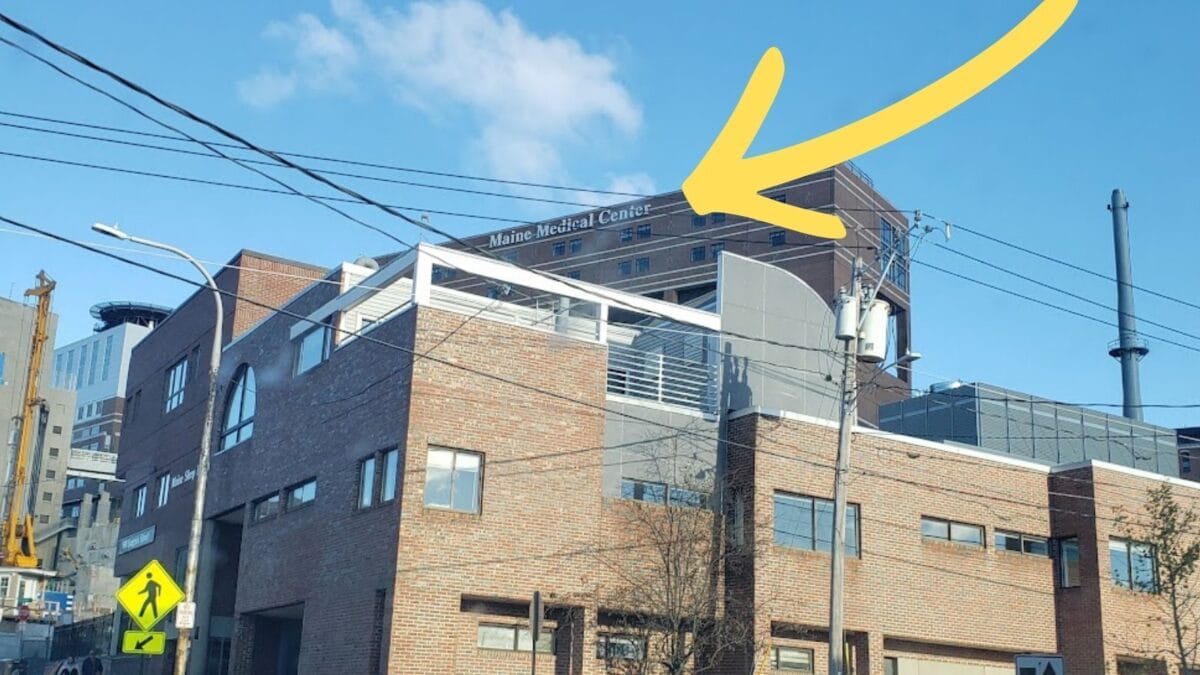
The first thing I notice when we travel back to our old area is the many signs along the roadways and the significantly more traffic. I never realized how stressful driving in traffic can be.
Once we get into the old area and try to visit a store, the parking lots are full, and the checkout lines are long and slow. If we spend time outdoors, there are no longer lengthy, peaceful moments. You have traffic swirling by and loud airplanes flying overhead.
When I lived there, I never really noticed these things. It was always that way.

1. My Rural Community
The Importance of Community – Living in a rural area means you’re closer to your neighbors than in a city, and forming connections with those around you is essential.
Over the past 5 years, I’ve met some fantastic and supportive people who have become close friends. These relationships have been invaluable to me, particularly during challenging times in my rural life.
Being part of a community gives you a sense of belonging and social support. However, it may take time to break into the tight-knit communities that have grown up in rural towns.
2. Simplicity In Rural Towns
The Value of Simplicity – Life in a remote area is not as fast-paced as it is in the city. You don’t feel the pressure to keep up with the latest trends, and there is less emphasis on material possessions.
Living in a more rustic setting has taught me to appreciate the simple things in life that we often overlook. For instance, I now watch Hummingbirds, enjoy taking walks, do more birdwatching, and garden; activities that I previously might have overlooked.
It has also given me a chance to reconnect with nature.
3. Self-Reliance Is A Must
You learn to become self-reliant in a rural setting. In a city, you can access everything you need to survive with ease. However, living in a rural area often means being more self-reliant. The nearest grocery or convenience store can be miles away, and the weather can be unpredictable.
I’ve had to learn to manage my resources carefully and become more sustainable in our rural town.
For example, I now stock up on supplies whenever we reach the nearest big town, which is over an hour away. We have a second freezer to do that, as well as our garden.
4. The Sounds of Silence
The beauty of silence can be amazing. One of the most significant differences between living in the city and living in the countryside is the level of noise. In the city, there’s always something happening, and it can be tough to find a moment of peace.
In contrast, living in a rural area offers an abundance of quiet moments, allowing you to enjoy your surroundings, much like hummingbirds buzzing around. The calm can be meditative and immensely refreshing.
At first, it felt like I was the only one in the world being outside in the early morning hours.
We live on a main road and often hear a little traffic passing by, but on some days it can be quite a while before anyone drives by.
5. Improved Health
Improved physical and mental health can be achieved by many who move to rural areas. The rustic life comes with distinct lifestyle differences that can positively impact your health.
For instance, the air quality is generally better, and there’s less pollution. There is also abundant access to outdoor activities such as walking, hiking, cycling, and kayaking, which is fantastic for physical fitness.
I’ve also found that my mental health has improved since moving to the rural area due to lower stress levels. My rural lifestyle has helped lower my blood pressure and reduce my need for medications.
6. Connecting In Nature
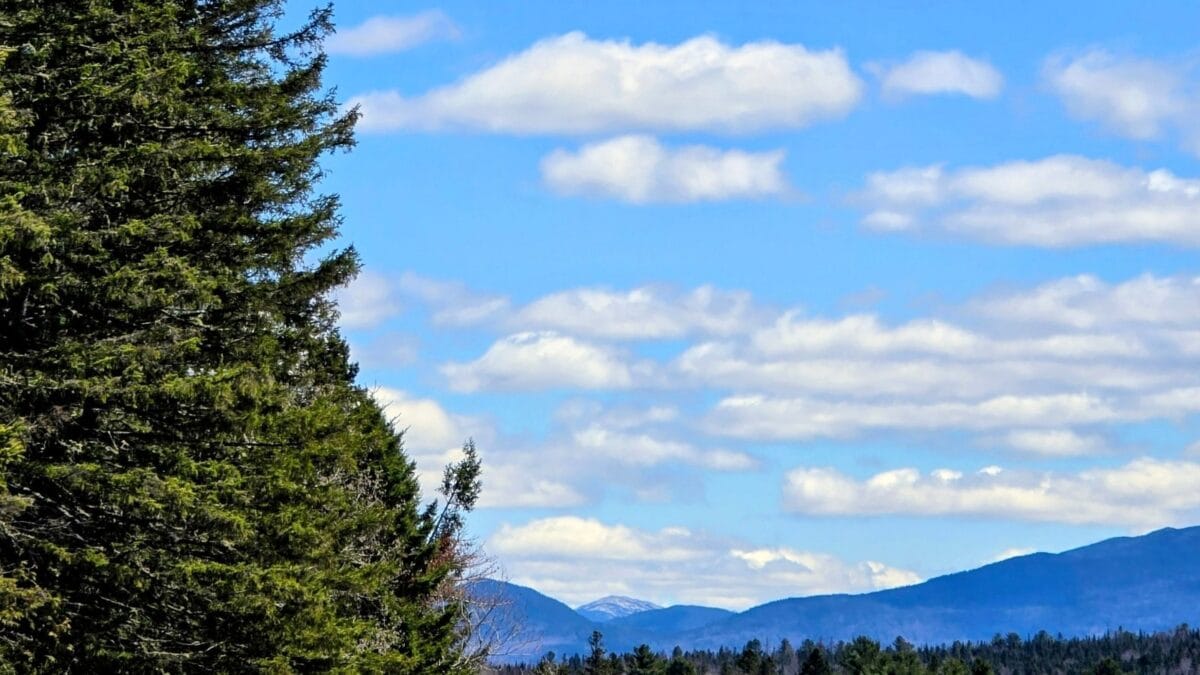
The rural area has offered me an opportunity to reconnect with nature. The natural beauty that surrounds me is awe-inspiring.
I get to see sunsets and sunrises that take my breath away. Walking through the hiking trails and forests is one of my favorite pastimes, and seeing deer crossing our paths is a treat.
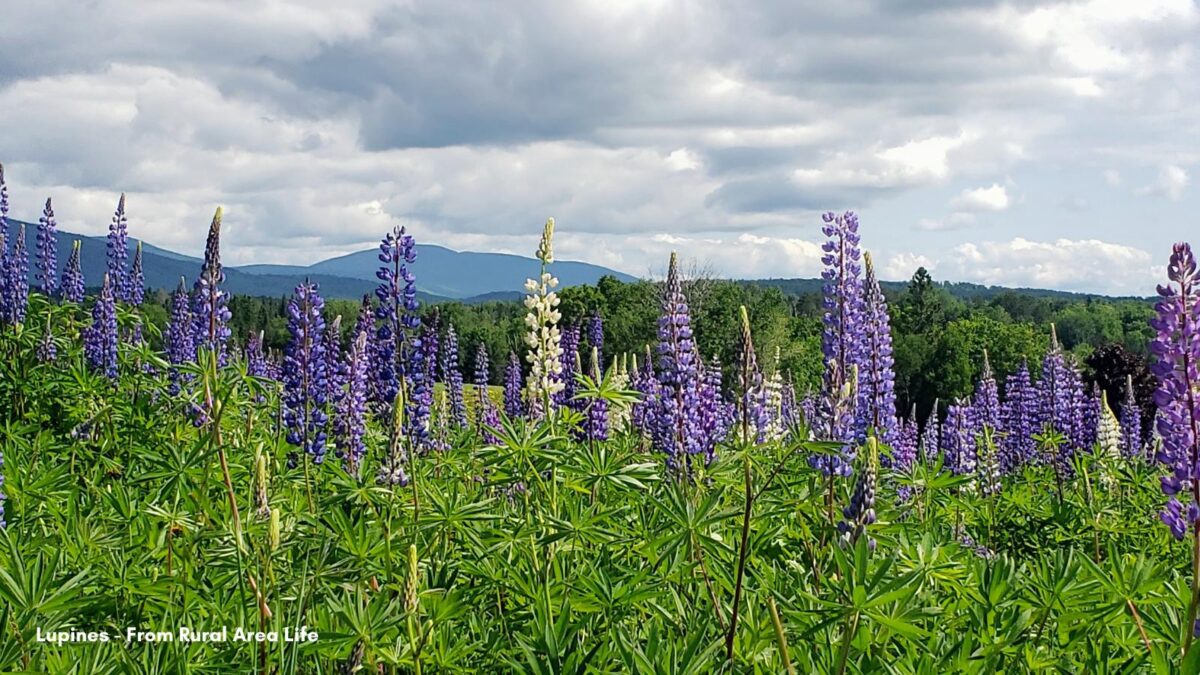
One of my favorite flowers can be seen along the hiking trails in my rural surroundings, as shown in the video above.
There is something so calming about being surrounded by Mother Nature. I have also gotten into gardening, which has been a fulfilling experience. I get to grow my own food and appreciate the work that goes into producing it.
Conclusion of My Rural Life 6 Years Later
Living in a rural area has provided me with numerous opportunities for personal growth, connecting with nature, forming meaningful social connections, and developing new skills. These experiences have taught me that a slower pace of life can significantly enhance my quality of life.
Do I miss the convenience of city life? Sometimes I do. But when I reflect on the benefits of rural living,
I wouldn’t trade it back for city life for anything. However, our taxes increased by over 40% in the past year and have more than doubled over the past six years. That’s when we decided to find the best rural place to retire.
We traveled for 17 days and conducted further research on where to retire. We decided to move from one rural area to another and put our home on the market to sell before we could retire.
With our taxes so high here, we would not be able to retire here. However, a year has passed, and our house has not sold. The place we were going to move to has increased its taxes, so we are staying put for now and have taken our home off the market.
Overall, the rustic life has been a fantastic and fulfilling journey that I look forward to continuing.
How do you like living in your rural surroundings?
Frequently Asked Questions About My Rural Life
What is u0022My Rural Lifeu0022 about?
u0022My Rural Lifeu0022 is where I share what day-to-day life looks like outside the city or suburban area. It focuses on the routines, tradeoffs, and u003ca href=u0022https://ruralarealife.com/seed-starting-schedule-for-western-maine/u0022u003esmall practical detailsu003c/au003e that come with rural living, not just the pretty parts people post online. If you’re trying to get a feel for what life in a remote area is really like, this is the place to start.u003cbru003e
Who is this Blog Post for?
It’s for people who are curious about rural living, planning a move, or already living in the country and want a realistic perspective. I also think it helps anyone weighing the pros and cons of leaving a more urban setup. If you want honest, grounded information, this topic is a good fit.u003cbru003e
What are the biggest differences between rural and city life?
The biggest differences usually come down to space, pace, access, and self-reliance. Rural life often gives you more privacy and room, but u003ca href=u0022https://ruralarealife.com/rural-new-york/u0022u003eit can also mean longer drivesu003c/au003e, fewer services close by, and more planning for basic errands. Those tradeoffs matter more than people expect.
What should I think about before moving to a rural area?
I’d look at internet access, road conditions, utilities, commute time, and how far you’ll be from groceries, medical care, and emergency services. It also helps to consider the weather, property maintenance, and how comfortable you are handling more tasks on your own. A move to the countryside can be a great fit, but it works best when you know what you’re signing up for.u003cbru003e
How Expensive Is Rural Living in Maine? (Taxes, Heating u0026amp; Groceries)
It depends. Housing prices can be lower than in the suburbs, but other costs often rise. Our property taxes have more than doubled in six years. Heating with oil or propane is a big monthly expense in winter. u003ca href=u0022https://ruralarealife.com/grocery-store-prices/u0022u003eGroceries cost moreu003c/au003e because we drive 30–45 minutes each way. Vehicle fuel and home repairs also add up. Run your own numbers carefully; rural living isn’t always cheaper.u003cbru003e
Is Rural Maine Good for Beginners or Retirees?
It can be wonderful for both, but it requires preparation. Beginners should have some DIY skills or be willing to learn. Retirees often love the peace and lower stress, but must consider winter isolation, distance to medical care, and snow removal. Many people thrive here, but those who struggle usually underestimate the harsh winters and lack of nearby services.u003cbru003e
What Are the Biggest Challenges of Rural Living in Maine?
The top challenges we’ve faced: very long winters, high heating costs, mud season, u003ca href=u0022https://ruralarealife.com/rural-shopping-how-to-shop-when-you-live-in-rural-area/u0022u003elimited shoppingu003c/au003e and dining options, slow internet in some areas, and feeling isolated during bad weather. Property taxes are surprisingly high, and everything (repairs, groceries, medical visits) takes more planning and driving. The biggest mental shift is accepting that convenience is gone.u003cbru003e
Would You Move Back to Suburbia After 6 Years in Rural Maine?
No, we wouldn’t move back. Even after seeing the real challenges, the peace, freedom, strong community connections, and slower pace outweigh the difficulties for us. We feel healthier and happier here. That said, rural life isn’t for everyone. Be honest with yourself about what you truly need before making the move.

Lisa moved from Southern New England to the rural mountains of Maine in 2020 with her husband. Drawing from her hands-on experience with slower-paced rural living, she shares the beauty, honest realities, and simple pleasures of life in the Maine woods, along with their rural travels across the United States and abroad.