For those of us living in rural Maine, healthcare access often means weighing convenience against what’s available locally. Since moving to Western Maine in 2020, we’ve relied on our local rural health clinic for routine care, and it’s been a pleasant surprise compared to our suburban Rhode Island days.
No more fighting city traffic or endless waits in the waiting room for a yearly physical. But it’s not perfect. Here’s our honest take on the 4 big benefits of rural health clinics, plus the real drawbacks we’ve experienced.
What Are Rural Health Clinics?
A rural health clinic is a facility located in a rural, medically underserved area in the United States that has a separate reimbursement structure from that of a standard medical office under the Medicare and Medicaid programs.
You can see if you live in one of these defined areas here.
Advantages of Our Northeastern Rural Health Clinics
- Convenience – Easy to get appointments
- Affordability – Insurances accepted
- Personal Care – Fewer people, easier to spend more time with patients.
- Less Time Waiting – There is less time waiting to see a doctor.
Rural health clinics are designed to provide basic healthcare services to people living in remote areas with limited access to medical care. These clinics are often staffed by local providers who understand and empathize with the struggles of living in a rural community, making them more likely to provide comprehensive and compassionate care.
Additionally, rural health clinics tend to accept patients regardless of their insurance status or ability to pay, making them an excellent choice for those without access to traditional healthcare resources.
1. The Convenience of Rural Health Clinics
Rural health clinics are located in and serve communities throughout the United States, often in places where access to other sources of medical care is difficult or impossible.
This makes them easily accessible for those living in remote areas who don’t have easy access to hospitals or large medical centers. For us, it’s a one-hour drive to a small hospital emergency room.
Most rural health clinics offer extended hours, sometimes even on weekends and holidays, making it easier for patients to get the care they need when they need it.
(These weekend hours are not available in our local rural area in the Northeast, which is why I want to take a CPR course.)
2. Affordability In Rural Health Care
Rural health clinics typically accept both private insurance and Medicare/Medicaid plans, which helps reduce out-of-pocket costs for their patients. Many also offer discounted rates for those without insurance coverage or with limited income, making healthcare more affordable for all patients regardless of their financial situation.
Since many services are offered on-site at rural health clinics (such as lab tests and X-rays), fewer trips outside the clinic may be required than at a larger hospital, resulting in further cost savings for patients.
(Again, this option of X-rays is not available in our area; we have to drive an hour for them, too.)
3. Personalized Care At Rural Clinics
At rural health clinics, patient care tends to be more personalized than at larger hospitals or medical centers due to smaller staff sizes and fewer patients seen per day.
Many rural health clinic providers are familiar with local community members and have established relationships over the years, which can add an extra layer of trust when it comes time for treatment or diagnosis.
This intimate setting enables practitioners to gain a deeper understanding of their patients’ individual needs and provide more personalized treatments that meet their specific requirements.
The goal is always to provide high-quality patient care, but doing so in a personal manner sets rural health clinics apart from other types of healthcare facilities.
We have found this to be true with our local walk-in clinic. The doctors and practitioners seem to have more time to spend with you.
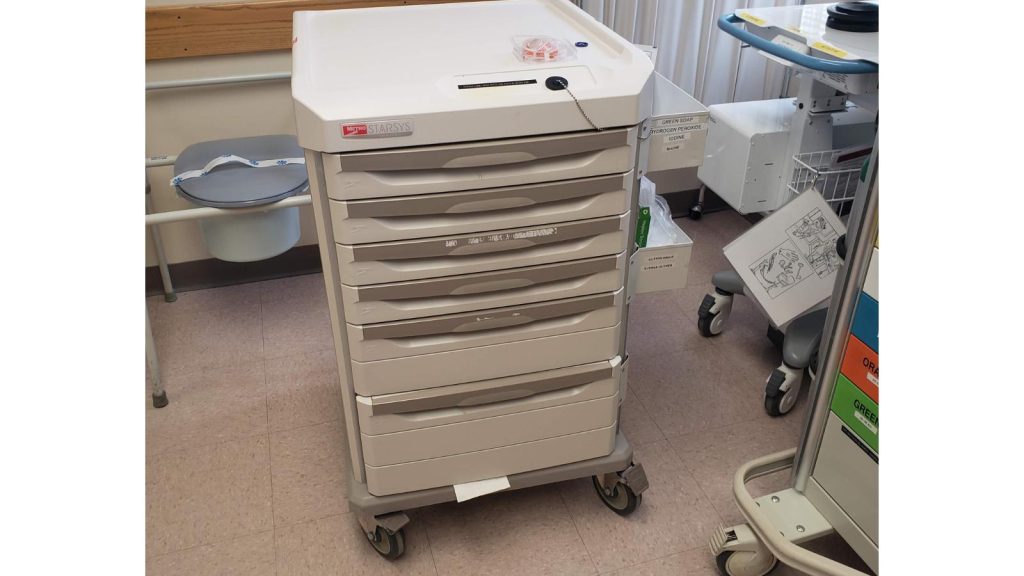
4. Less Time Waiting In Northeastern Rural Health Clinics
Over the past five years in our new rural area, we have had to visit the emergency room several times; even our father, who used to stay with us before his passing, had to use emergency services.
I must say that the wait times are significantly shorter than in our former state, Rhode Island. There are fewer people in this rural community, so the wait times are much lower. It may take an hour to get there, but once you arrive, you usually don’t have to wait another hour.
Even 2 years ago, when I had my gallbladder out, I was the only person on the floor of the hospital for surgery that day. I received the utmost care at the small hospital.
Back in Rhode Island, my parents had to wait some nights, 8-10 hours, before receiving medical care due to the number of patients waiting.
Disadvantages of Northeastern Rural Health Clinics
- Shorter office hours
- No X-ray machines or quick blood work results
- Lack of a pharmacy nearby if needed
- No medical specialists nearby
- No pharmacy nearby
Although there are certainly advantages to using a rural health clinic, there are also some drawbacks. For starters, these clinics may not offer the same range of services as larger hospitals or medical centers due to staffing or financial constraints.
This means that if you need emergency care or specialty care such as surgery or cancer treatment, you may need to travel outside your area for additional services. We have to drive an hour to see a specialist or an eye doctor.
Recently, we learned that pregnant women in our rural area have to travel even further. I can’t imagine having to drive 3 hours to have a baby while in labor.
We have found that in a rural area, wait times are never an issue, as they were when we lived in the more densely populated state of Rhode Island.
Back there, we had to make appointments way in advance and still wait in the waiting area for a much longer time once we had one.
Being Prepared If You Are Unable To Get To Services
We have also learned to have every possible medicine and medical tool available. For example, a blood pressure machine and thermometer, as well as cold and flu medicines, are always on hand. Some of our friends here are purchasing a defibrillator for emergency use.
Even if we reach the walk-in center for care, it’s an hour’s drive to the pharmacy if you need medication.
Fortunately, our doctor recommends a sinus rinse for a sinus infection before prescribing any medication. Medicines are a last resort.
Living in a rural area, you do what you can to stay healthy and avoid getting sick or needing medical attention, especially on a weekend. However, one year, my father-in-law required medical attention, and the EMTs and border patrol were right there to help him.
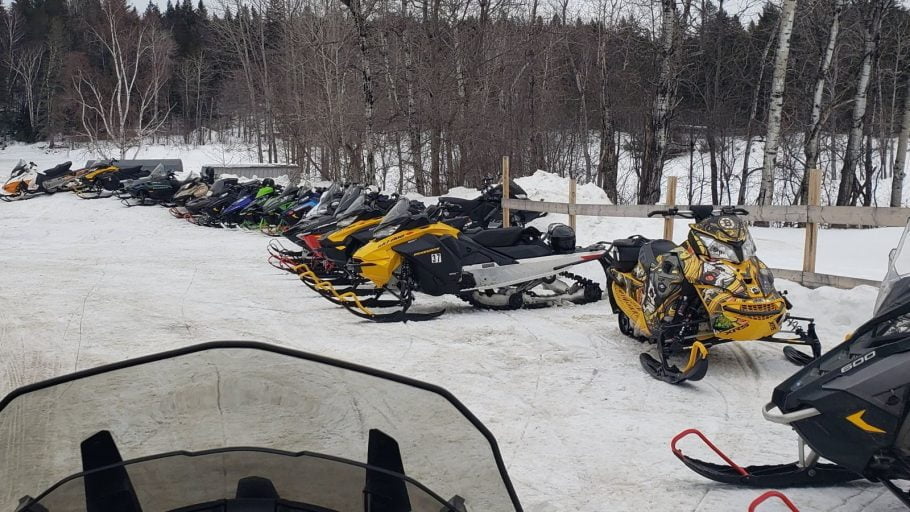
At other times, the wardens in our area assist people involved in skiing or snowmobile accidents. That said, if there is no cell service, help may be limited and take much longer. Always carry supplies with you in case this happens in your rural area.
However, if there is heavy snow, a snowmobile may be the best way to get there when the roads are closed.
Conclusion: Rural Healthcare in Maine, Worth It for Many
After six years, we’re still glad we made the move. The personalized, lower-stress care at our local clinic has been a highlight of rural living, even with the trade-offs. Maine’s new investments in telehealth and rural health tech through the RHTP should help bridge some gaps in the coming years.
That said, it’s not for everyone, especially if you have ongoing serious health needs. Consider your situation carefully before relocating.
Have you used a rural health clinic in Maine or elsewhere? Share your experiences in the comments. I read every one, and it helps others!.

Lisa moved from Southern New England to the rural mountains of Maine in 2020 with her husband. Drawing from her hands-on experience with slower-paced rural living, she shares the beauty, honest realities, and simple pleasures of life in the Maine woods, along with their rural travels across the United States and abroad.