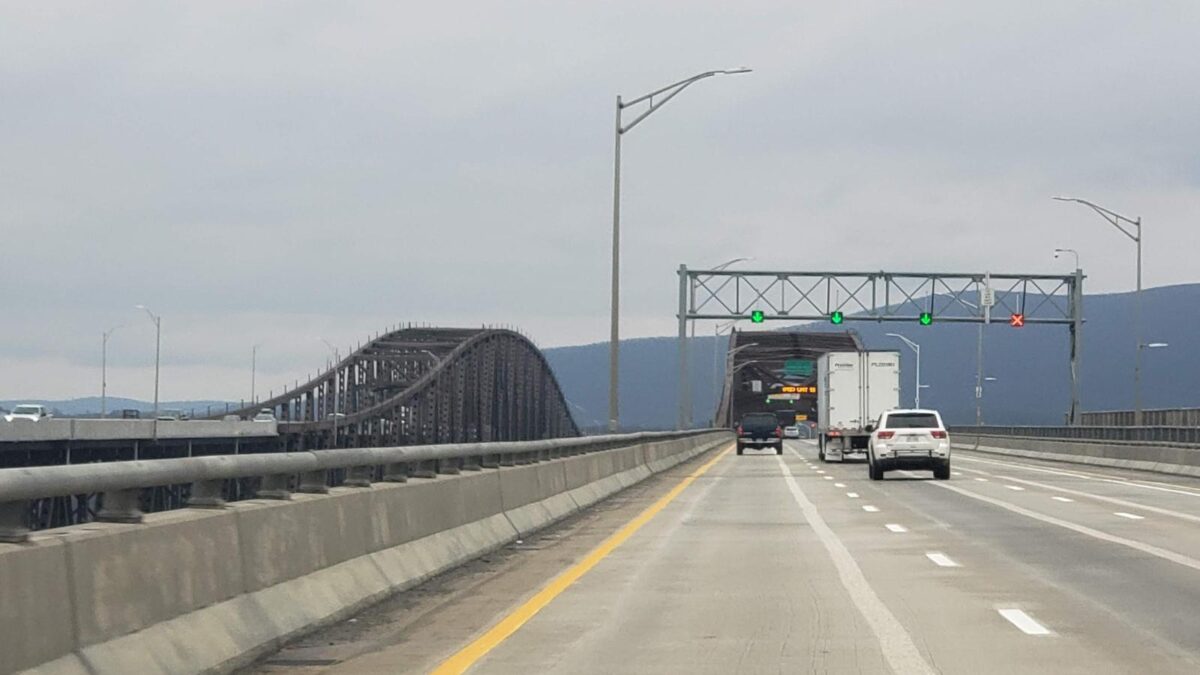
As we traveled the East Coast on our 17-day road trip last year hunting for the perfect retirement spot, we discovered hidden rural gems we hadn’t considered. Far from crowded cities, we fell in love with peaceful landscapes, affordable small-town living, and that unmistakable rural charm.
Today, we’re sharing our top 5 rural states for retirement in 2026 and beyond, based on our journey, follow-up research, and real-life lessons from living in rural Maine. Our views have evolved, especially around healthcare access, taxes, and long winters, but these states still stand out for retirees seeking tranquility and value. We came to Maine for snowmobiling 6 years ago.
Picture this: Waking to birdsong instead of traffic, with room to garden, hike, or simply relax. These states offer a lower cost of living, natural beauty, and a community without the urban price tag.
Ready to explore? Let’s get started.
Why Choose a Rural State for Retirement? Key Factors to Consider
Retirement location shapes your daily quality of life. Here’s what we learned matters most:
Cost of Living & Housing
Rural areas often stretch savings further with cheaper homes and lower everyday expenses. But watch for rising property taxes; we’ve seen them climb sharply in Maine and Pennsylvania.
Healthcare Access
Critical for aging. We now drive an hour+ for basics in rural Maine, with specialty care even farther. Prioritize states with rural clinics or proximity to hospitals.
Climate & Lifestyle
Mountains or beaches? Four seasons or mild winters? We traded ocean views in Rhode Island for Maine’s mountains, but now question harsh winters, snow removal, cutting wood, and heating costs as we age.
Community Feel
Tight-knit rural towns can be welcoming or leave you feeling like an outsider. We experienced the latter after five years in Maine, which was our biggest surprise.
Our 17-Day Journey on the East Coast
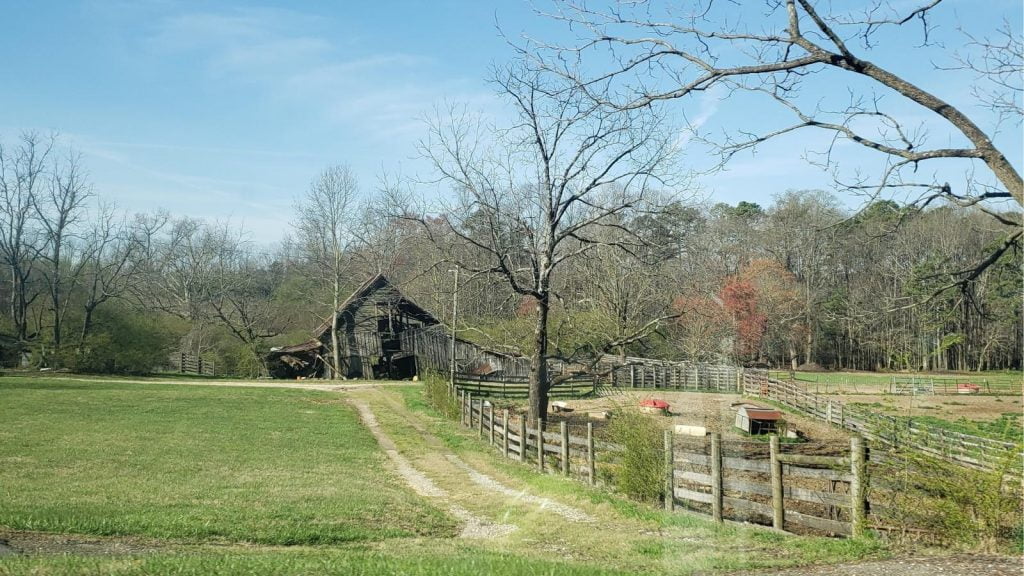
Our adventure took us through charming towns, rolling farmlands, and scenic backroads. We loved the old barns, porches, and open spaces that made us dream of a barndominium for our next home.
The trip confirmed our preference for rural over urban, and highlighted trade-offs like distance from family and winter driving challenges (e.g., parts of West Virginia we loved for scenery but ruled out for isolation and healthcare).
Scenic Rural Landscapes and Communities
As we reached the midway point of our journey, the landscape transitioned from coastal views to rolling hills and expansive farmlands. Scenic drives through rural communities revealed a sense of peace and tranquility that we liked.
Quaint farmhouses with their inviting front porches and fields of corn swaying in the gentle breeze painted a picture of rural life at its finest.. We loved the old barns along our ride as well, to the point that my husband is considering building a barndominium for our next rural home.
Top 5 Rural Best States To Retire In 2026
National rankings in 2026 (from sources such as WalletHub, U.S. News, and CareScout) highlight Wyoming, Florida, South Dakota, and Tennessee as frequent top performers in affordability, taxes, and quality of life.
Our picks remain grounded in our East Coast road trip experiences, rural lifestyle priorities, and personal factors like family proximity and healthcare access.
1. Pennsylvania – Best Overall Balance for Affordable Rural Living & Family
Pennsylvania continues to shine for retirees seeking rural charm without extreme trade-offs. Beautiful countryside, rolling farmlands, and small towns offer that classic rural feel we loved during our trip.
It ranks solidly in the top 10 nationally for tax-friendliness (no tax on Social Security or most retirement income) and has reasonable access to healthcare in many non-metro areas.

We bought land here, which would have dramatically shortened our drive to the grandkids. Rising property taxes are a watch-out, but overall, they deliver strong value for a peaceful, community-oriented retirement.
However, after we purchased land and tried to sell our home, we found out that the PA area we were going to move to had changed its property tax structure, so we sold it recently and are staying in Maine.
2. Georgia (Especially Northern Mountains) – Perfect for Outdoor Rural Lovers
Northern Georgia’s stunning mountains, hiking trails, and fishing spots left a lasting impression on our road trip. Affordable rural housing and a cost of living below the national average make it appealing, with milder winters than in Maine.
It ranks mid-tier nationally but excels for lifestyle if you prioritize nature and a milder Southern climate. Distance from family was our main hesitation, but it’s a gem for those who can swing it.
3. Maine – Still Picturesque, But We’re Reevaluating Long-Term
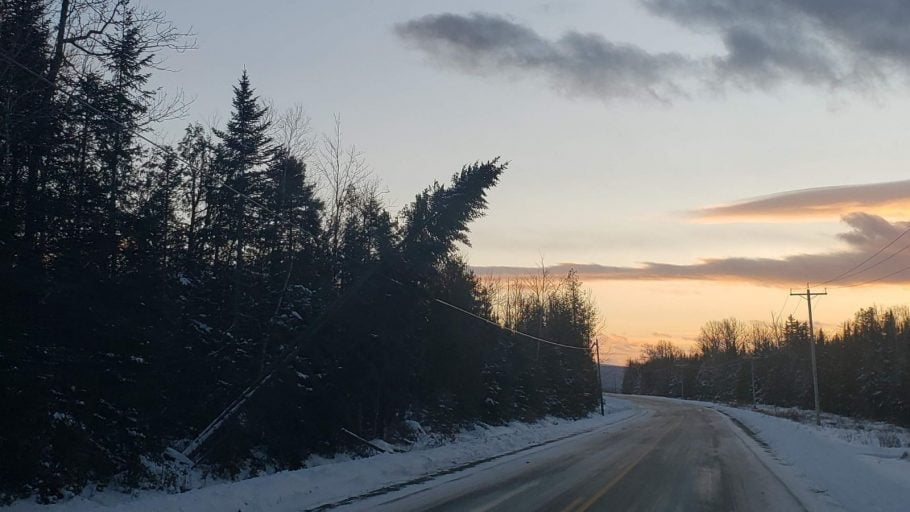
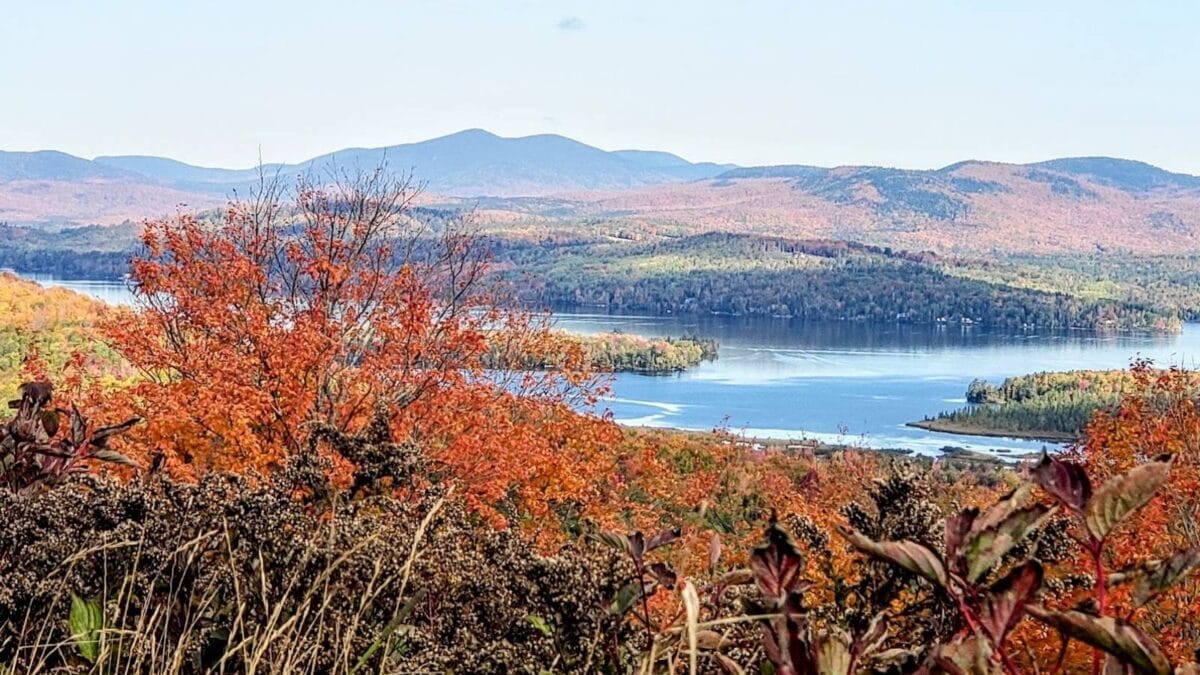
We live here and adore the majestic trees, mountains, coastlines, and true rural solitude. However, it ranks lower nationally in 2026 (often in the 20s), largely due to harsh winters, high heating/snow removal costs, and rural healthcare gaps.
Our 17-day trip reinforced its beauty, but rising costs and the challenges of isolation make us question whether to stay forever. Wonderful for visits or if you thrive in four distinct seasons.
4. Tennessee – Strong for Low Costs, Culture & Rural Scenery
Tennessee climbed in the 2026 rankings thanks to no state income tax on wages/Social Security, low overall cost of living, and vibrant rural areas with hills, music scenes, and tight-knit towns. We enjoyed the cultural charm and scenic drives during our journey.
It’s ideal for active retirees who want outdoor recreation and affordability. Healthcare varies by location (better near mid-sized towns), and growth in some spots brings minor traffic concerns, but it edges out others for budget-conscious rural living.
5. Florida – Reliable for Active Retirement with Surprising Rural Pockets
Florida remains a perennial top-2 state in 2026 for taxes (no income tax), retiree communities, and lifestyle. We discovered quiet farms, ranches, and rural areas beyond the typical beach scenes, offering that slower pace many crave.
Mild winters are a huge plus as we age, along with social opportunities. Watch for heat/humidity, rising insurance costs in some zones, and greater distance from grandkids.
| Rank | State | Cost of Living | Taxes (Retiree-Friendly) | Healthcare Access | Rural Vibe Score | Key Pro for Us | Key Con |
|---|---|---|---|---|---|---|---|
| 1 | Pennsylvania | Below average | Excellent | Good | High | Family proximity, countryside | Rising property taxes |
| 2 | Tennessee | Low | Excellent (no inc. tax) | Variable | High | Culture + affordability | Growth in popular areas |
| 3 | Georgia (N) | Below average | Good | Moderate | Very High | Mountains & outdoors | Distance from family |
| 4 | Florida | Mixed | Excellent (no inc. tax) | Good | Medium-High | Mild winters, communities | Heat, insurance costs |
| 5 | Maine | Above average | Good | Rural gaps | Very High | Scenery we love | Winters, heating costs |
Honorable Mentions:
- North Carolina — Rising fast for rural mountain appeal, moderate costs, and better healthcare balance.
- West Virginia — Ultra-rural scenery we loved, but healthcare and remoteness remain concerns.
- Western standouts like Wyoming or South Dakota for ultimate affordability and peace (if you’re open to bigger moves).
Conclusion: Best States To Retire In 2026
After our 17-day East Coast road trip and another year of real-life experience living rurally in Maine, these five states still stand out as some of the best rural places to retire in 2026. National rankings this year continue to favor Pennsylvania, Tennessee, and Florida for their mix of affordability, taxes, and retiree-friendly policies, while northern Georgia and Maine shine for those who crave natural beauty and a slower pace.
What hasn’t changed is this: the “perfect” retirement spot is deeply personal. For us, family proximity, reasonable access to healthcare, manageable winters, and long-term affordability now weigh more heavily than pure scenery. That’s why Pennsylvania currently feels like the strongest fit for our next chapter, though we’re still actively exploring and keeping our options open as the housing market and costs evolve.
Rural retirement offers incredible rewards: waking up to quiet mornings, tending a garden, exploring backroads, and building real community connections. But it also comes with trade-offs, longer drives for medical care, higher heating costs in the north, or summer humidity in the south. The key is knowing which factors matter most to you.
We’re currently reevaluating our own situation in Maine (rising taxes and winter maintenance are big considerations), and we plan to take more scouting trips this year. If you’re in the same boat, we highly recommend visiting multiple seasons before deciding.
What about you? Have you retired in one of these states, or are you considering them? Which rural area would top your list in 2026, and why? Share your experiences, wins, or warnings in the comments — we read every one and often get the best insights from fellow readers.
Thanks for following our journey. Wherever you end up, we hope it’s filled with peace, purpose, and plenty of wide-open spaces.
Updated May 2026 Originally published September 2024

Lisa moved from Southern New England to the rural mountains of Maine in 2020 with her husband. Drawing from her hands-on experience with slower-paced rural living, she shares the beauty, honest realities, and simple pleasures of life in the Maine woods, along with their rural travels across the United States and abroad.
Pennsylvania really surprises me, Lisa but there are many beautiful areas. I lived in Oxford for awhile. Small town and outskirts were rural. My bestfriend still lives there. During my younger years, we partied alot in South Philly, Glen Mills area. Of course, these are on the southern end of the state. Many moons ago, I had a friend that lived out north of Pittsburgh. Beautiful area, small town, lots of snow. I can see the attraction and compared to cost of living in Maine, even taxes, Pennsylvania would be a good choice. I look forward to reading more about your transition! Oh, and I know I dream to be in West Virginia but I do agree on the lack of Healthcare system there and the more isolated areas in the state.
Good luck, Lisa!
Hi Bren, it surprised me too. It was not on the radar at first at all. It is beautiful especially in the mountains. I didn’t realize you had been there. It will be interesting to see how it all goes if we sell our home in Maine. I did like West Virginia but once there found a few things not so good. Plus further away from the grandchildren and PA is closer to them than Maine, believe it or not! Thanks for coming by on this one Bren. Have a great weekend.