Rural voter turnout surged in 2024, driven by economic pressure, candidates who spoke more directly to rural concerns, and grassroots efforts that felt personal rather than distant. In our small rural town in Maine, turnout jumped from the usual 600 to 887 people who voted or cast an absentee ballot.
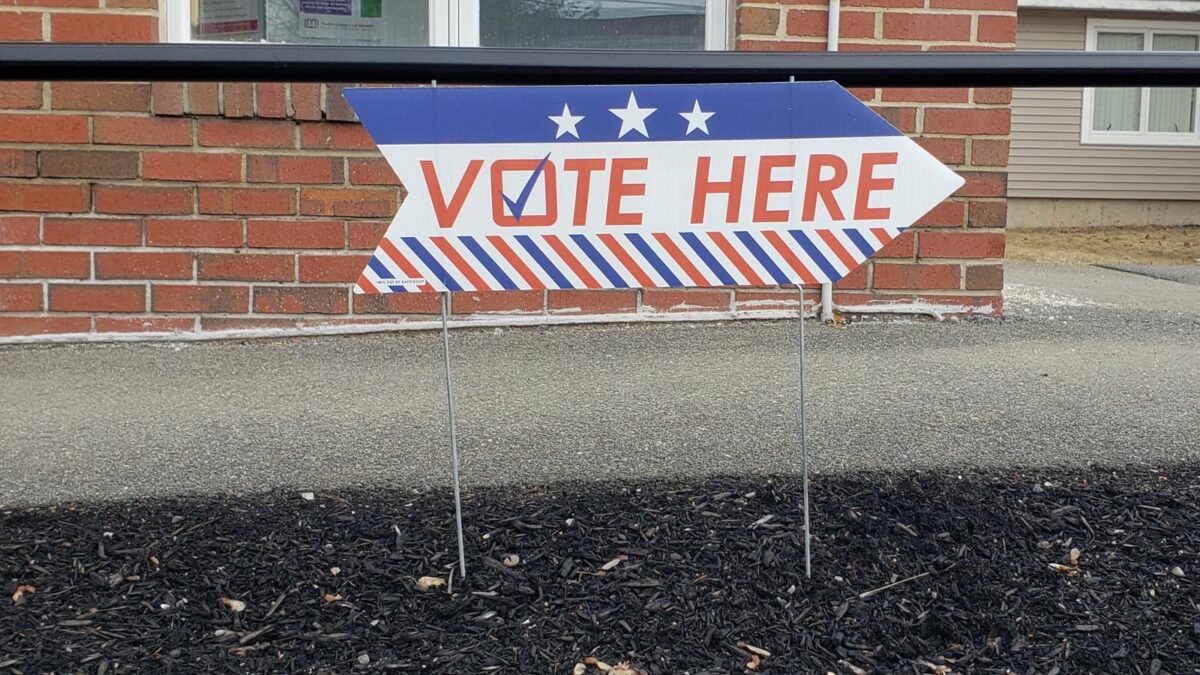
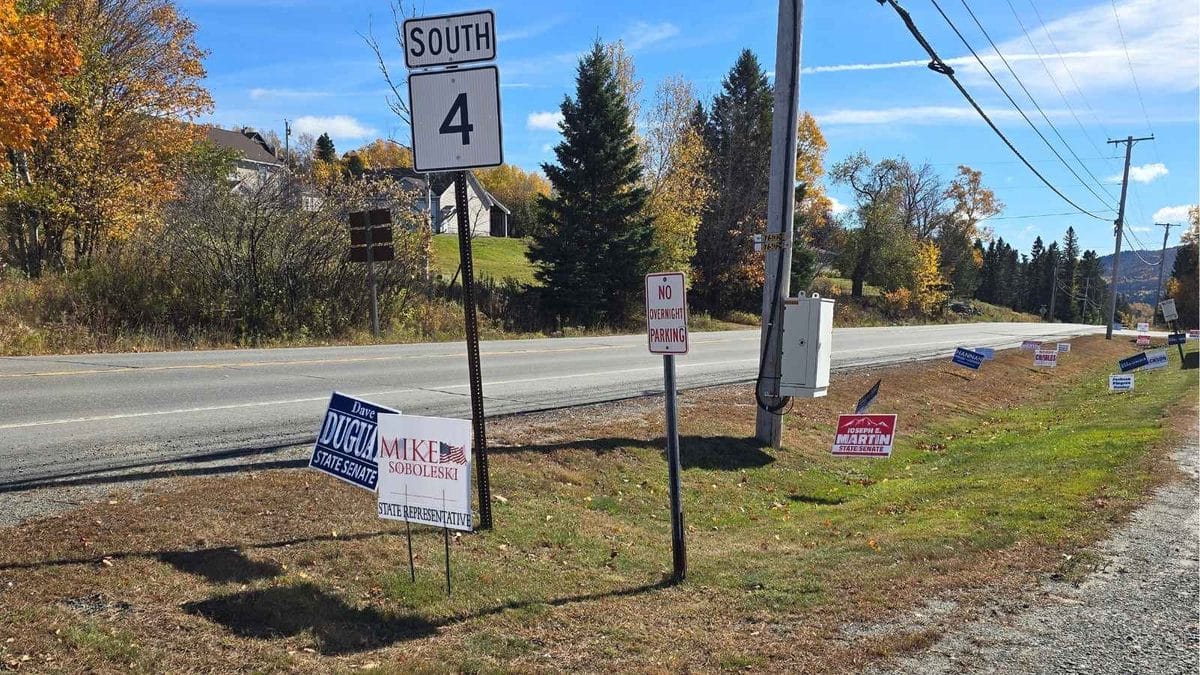
Now, heading into the 2026 midterms (Election Day is November 3), those same pressures are still present — and in some cases sharper. Cost of living remains the top issue rural voters want candidates to address, according to a September 2026 KFF/AP survey. Early voting is already underway across Maine, and roadside signs are multiplying along Routes 4 and 16 and the side roads that feed into them.
Rural voter turnout surged in 2024, driven by a mix of factors that lit a fire under these communities. Economic concerns topped the list, with many feeling left out of policy decisions that hit their pocketbooks.
What We’re Seeing So Far in 2026
Early voting numbers in Maine are running strong. As of mid-October, the Secretary of State’s office reported nearly 144,000 absentee ballots requested, and tens of thousands already returned, well ahead of the pace some towns saw in the June primary.
In our corner of the state, the signs have gone up earlier and in greater numbers than in some past cycles; a mix of state senate, house, and local races clustered at intersections and along the shoulders of Route 4.
The volume of political contact has been impossible to ignore in our part of rural Maine. Commercials for the U.S. Senate race between Susan Collins and Troy Jackson run constantly on TV and YouTube.
Survey calls, texts, and mail arrive almost every day, and the flyers keep stacking up. Outside groups have poured tens of millions of dollars into advertising in this race, much of it aimed at voters in the 2nd District, which helps explain why the noise feels nonstop. Whether all that spending actually moves turnout or just adds to the clutter is something we’ll only know after November 3.
Rural Voters Nationally
Nationally, rural voters continue to rank cost of living (especially health care and gas) as their highest priority for candidates. The same KFF/AP survey found that while rural voters still lean toward Republicans on economic issues, economic dissatisfaction has slightly reduced certainty about voting among some rural Republicans. At the same time, several states saw notably strong rural participation in their 2026 primaries (Texas and Wisconsin among them).
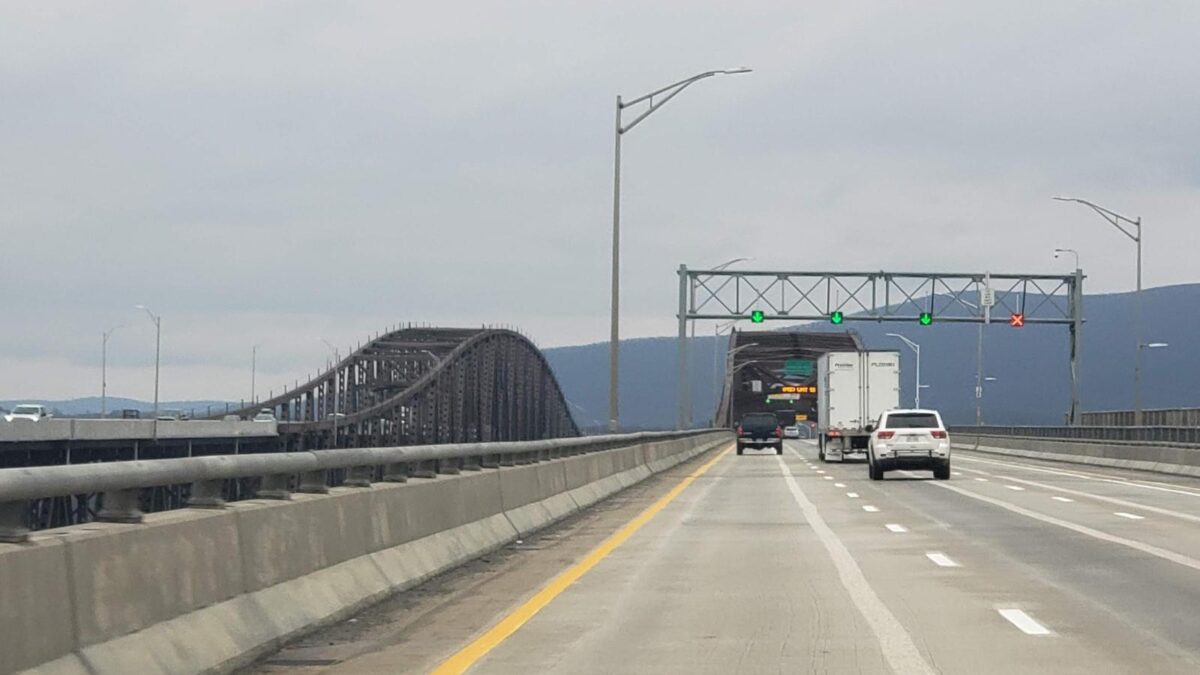
Infrastructure still shapes who can vote easily. In many rural towns, the nearest polling place or early voting location is a drive away, and internet or mail reliability can affect absentee voting options. Those practical barriers haven’t disappeared.
General Trends for Rural Voter Turnout
There was a noted increase in rural voter turnout, with some posts mentioning rural turnout percentages in the 30s, which is relatively high, especially compared to urban turnout in some cases.
Why Was Rural Voter Turnout Higher In Our Area?
The cost of living hit everyone who has lived in a rural area during the last six years. Our property taxes went up 50% in the last three years alone.
Prices are often higher for gas and food because it takes longer to deliver them to rural areas. Property taxes went up throughout the state as illegals were filling schools and hotels in southern cities such as Portland.
Even the seniors in Maine had their property taxes frozen, taken away from them. The senior citizens in most rural areas across the country have been financially burdened over the last four years.
Younger people are finding it harder than ever to rent or purchase a home. I read the other day that the average age of a new homeowner is 56.
The Amish Factor: National Claims and Local Reality
During the 2024 cycle, some organizers and social-media posts claimed very large numbers of new Amish voters, especially in Pennsylvania. Research published in 2026 by Steven Nolt and Kyle Kopko of Elizabethtown College’s Young Center found those figures were overstated. In Lancaster County, an estimated 17,490 Amish adults were eligible to vote.
About 4,454 were registered and roughly 2,568 actually cast ballots, lower than in 2020. New registrations numbered only a few hundred. The researchers called many of the larger claims hyperbole. Most registered Amish voters lean Republican, but their overall participation remains limited, and their numbers were not large enough to decide the statewide outcome in Pennsylvania.
Maine has its own smaller Amish communities, mainly in Aroostook County and a few other spots such as Unity and Whitefield. In our part of western Maine, we occasionally see Amish buggies or families at local businesses and farm stands, but they remain a modest presence.

As in most Amish settlements, voting rates tend to remain low unless a specific local issue (farm regulations, property taxes, or community concerns) draws them in. Midterm elections usually see even lower turnout than presidential years, so any Amish participation in 2026 is expected to stay relatively small.
Local issues still matter more to the Amish who do vote than national campaigns. If you’ve noticed changes in your area this cycle-more buggies near polling places, different signs, or conversations at the general store- I’d be interested to hear what you’re seeing.
Infrastructure Hurts Voter Turnout in Rural Areas
Lousy infrastructure in rural areas usually kills voter turnout. Picture poor road conditions or scarce public transit; people can’t easily get to polling places.
Bad or nonexistent internet makes mail-in voting or online info inaccessible. Rural residents might drive for miles to find a voting center, only to face long waits when they arrive.
For many, it’s just not doable, as access to infrastructure hurts voters. When voting feels like an uphill battle, turnout drops. If roads and internet don’t improve, these communities fall further behind in shaping their future.
Conclusion: The Rise of Rural Voter Turnout
The 2024 surge showed that rural voters will turn out when the stakes feel personal, and the messages feel relevant. With early voting open and Election Day less than three weeks away, the 2026 midterms are testing whether that energy holds when the races are for governor, Senate, Congress, and state legislature rather than the White House.
What are you seeing in your area? Are the signs thicker than usual, is early voting busy at the town office, or are people more focused on local races this time? I’d like to hear what’s happening where you live.
Frequently Asked Questions
Is rural voter turnout usually higher or lower than urban turnout?
It varies by state and election, but rural areas often see solid turnout when local issues (taxes, roads, health care, or farming rules) feel personal. Distance and limited early-voting options can still hold some people back.
How is early voting going in Maine this year?
Early in-person absentee voting started October 5 and runs through October 29. As of mid-October, tens of thousands of absentee ballots had already been requested and returned statewide, with strong interest reported in many towns.
Does all the advertising and mail actually increase turnout?
Not necessarily. Heavy ad spending (especially in the Senate race) and constant mail, texts, and calls can raise awareness but also feel overwhelming. Turnout still depends more on whether people feel the races matter to them personally.
What are the main issues rural voters care about right now?
The cost of living (especially health care and gas), property taxes, and local services continue to rank highly among rural voters. A September 2026 KFF/AP survey of rural voters found cost of living was the top issue they wanted candidates to address. At the same time, many people in rural Maine also point to crime and drug activity as growing local worries. Statewide crime rates have been falling, yet recent federal operations have still produced dozens of arrests and large drug seizures (including fentanyl and meth) in Maine, and the loss of small police departments in some towns makes these problems feel more immediate than the overall numbers suggest.
Disclosure: Parts of this post were drafted with AI assistance and then reviewed and edited by me based on local observations and public information.

Lisa moved from Southern New England to the rural mountains of Maine in 2020 with her husband. Drawing from her hands-on experience with slower-paced rural living, she shares the beauty, honest realities, and simple pleasures of life in the Maine woods, along with their rural travels across the United States and abroad.