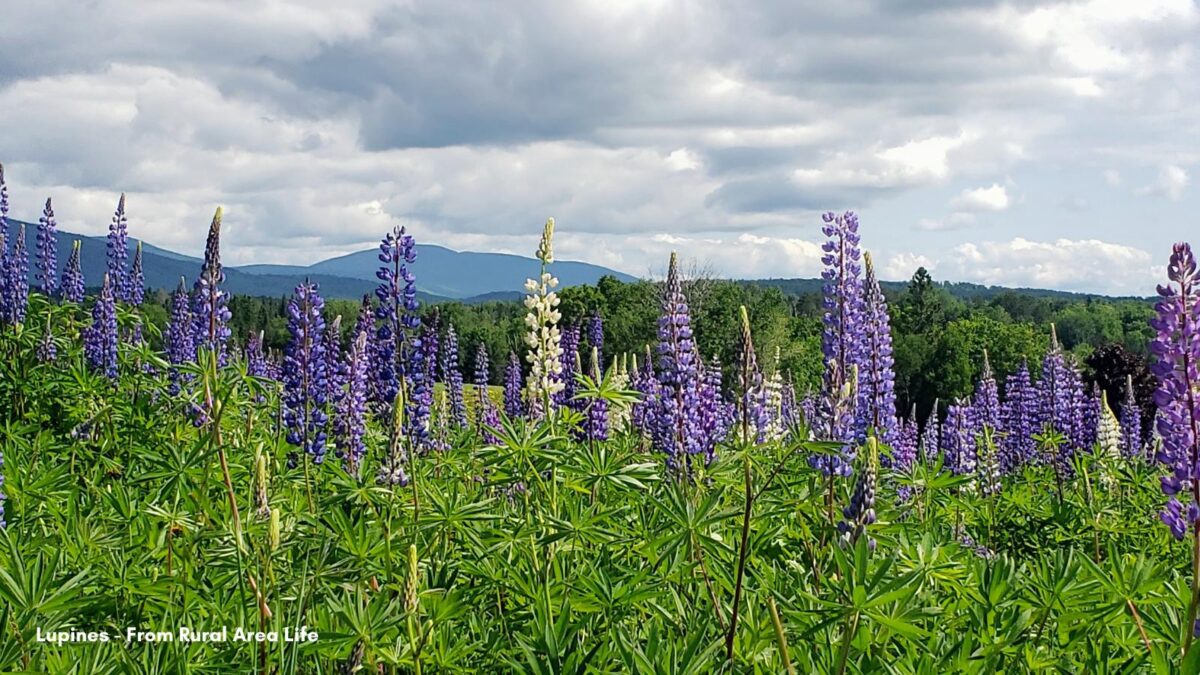
I first fell in love with lupines (Lupinus) years ago on Prince Edward Island. Their tall flower spikes seemed to appear everywhere at once, along roadsides, near fields, and against that famous red soil, like summer had struck a match.
Later, I bought lupine seeds because I wanted some of that same beauty at home. Since then, I’ve come to feel that part of the charm is how brief the show is.
In Maine, peak bloom often feels like only about two weeks in early June, depending on the weather. I’ve included a video of the lupines with this Rural Area Life blog post because still photos never quite catch the full feeling.
Main Points to Know
- Lupines bloom for just about two short weeks in early June, often in Maine and Prince Edward Island, creating a magical, fleeting display of tall spikes in blue, purple, pink, and white against rural landscapes.
- Thriving in full sun and well-drained sandy soil, lupines are low-maintenance perennials ideal for cottage gardens and rural spots, with deep taproots making them best planted once and left to self-seed.
- Their brief season heightens the beauty, drawing butterflies and evoking a sense of event-like wonder, while nitrogen-fixing roots enrich soil—but keep pets away due to toxic alkaloids.
- Growing from seeds requires simple scarification or stratification to improve germination, and cool coastal climates like those in Maine and PEI keep the flowers fresh the longest.
What makes the lupine flower so unforgettable in early June
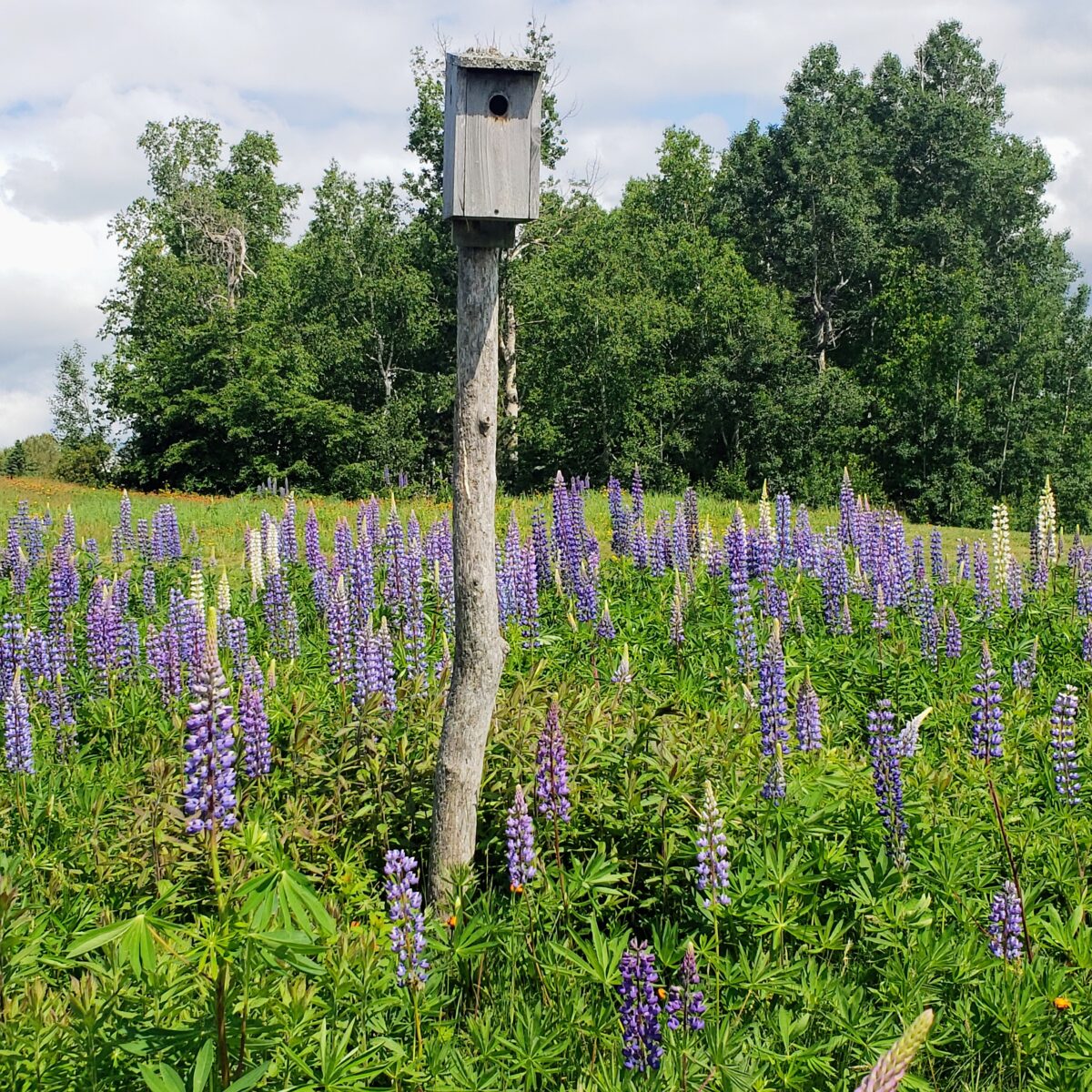
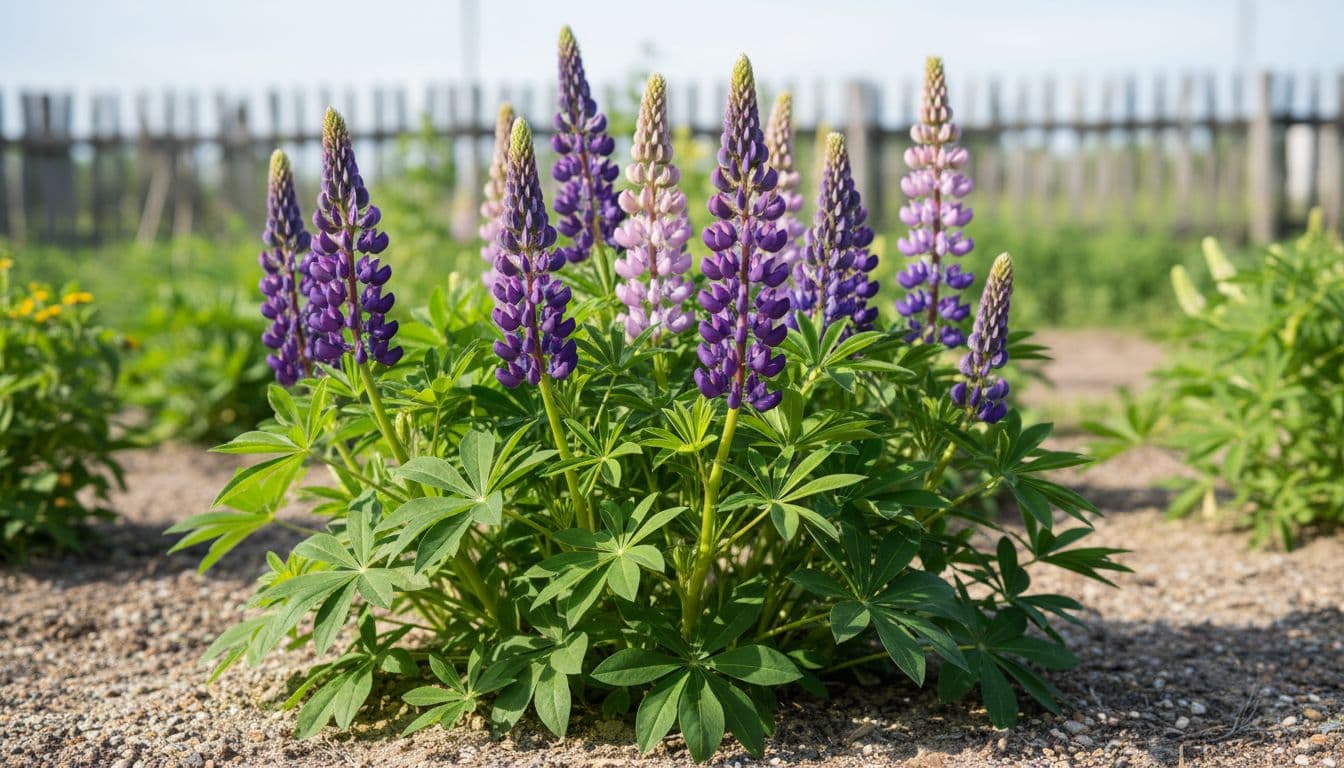
The lupine plant, belonging to the legume family (Fabaceae), is easy to recognize once you’ve seen it up close. Its flowers rise in tall spikes, packed with small pea-like blooms in blue, purple, pink, and sometimes white.
Down below, the palmate leaves spread like open hands, with each finger-shaped leaflet catching the light. Lupines can be either perennial or annual, and many garden varieties are perennials.
When whole ditches, fields, and roadsides fill with them, the effect feels almost unreal. A plain country road suddenly looks painted. Even a rough patch of gravel can seem soft when it’s edged with blooming lupines.
Weather shapes the whole show. Cool, rainy days can stretch bloom time a bit, while a hot spell can push the flowers along fast. Recent seasonal guidance for Maine and PEI points to the same pattern, with bloom timing shifting earlier or later based on spring warmth and rain.
I also like checking local plant references, such as Maine Native Plants’ Lupinus perennis (sundial lupine) page, because it lines up with what I see in the countryside each year.
The short bloom is part of the magic
I think the short season is why the lupine flower stays with people. If it bloomed all summer, I’d still enjoy it, but I might not stop the car, step outside, and stare for a minute.
The brief bloom makes lupines feel less like background and more like an event.
Because they don’t last long, I notice them more. I pay attention to the light, the color, and the way the flowers seem to glow in the early morning. Their short season teaches a simple lesson: beauty doesn’t need to be long to be memorable.
Why Maine and Prince Edward Island feel made for lupine season
Maine and Prince Edward Island feel linked in my mind because both places wear lupines so well. In each one, early summer is still cool enough to keep the flowers fresh, and the open rural views give them room to shine.
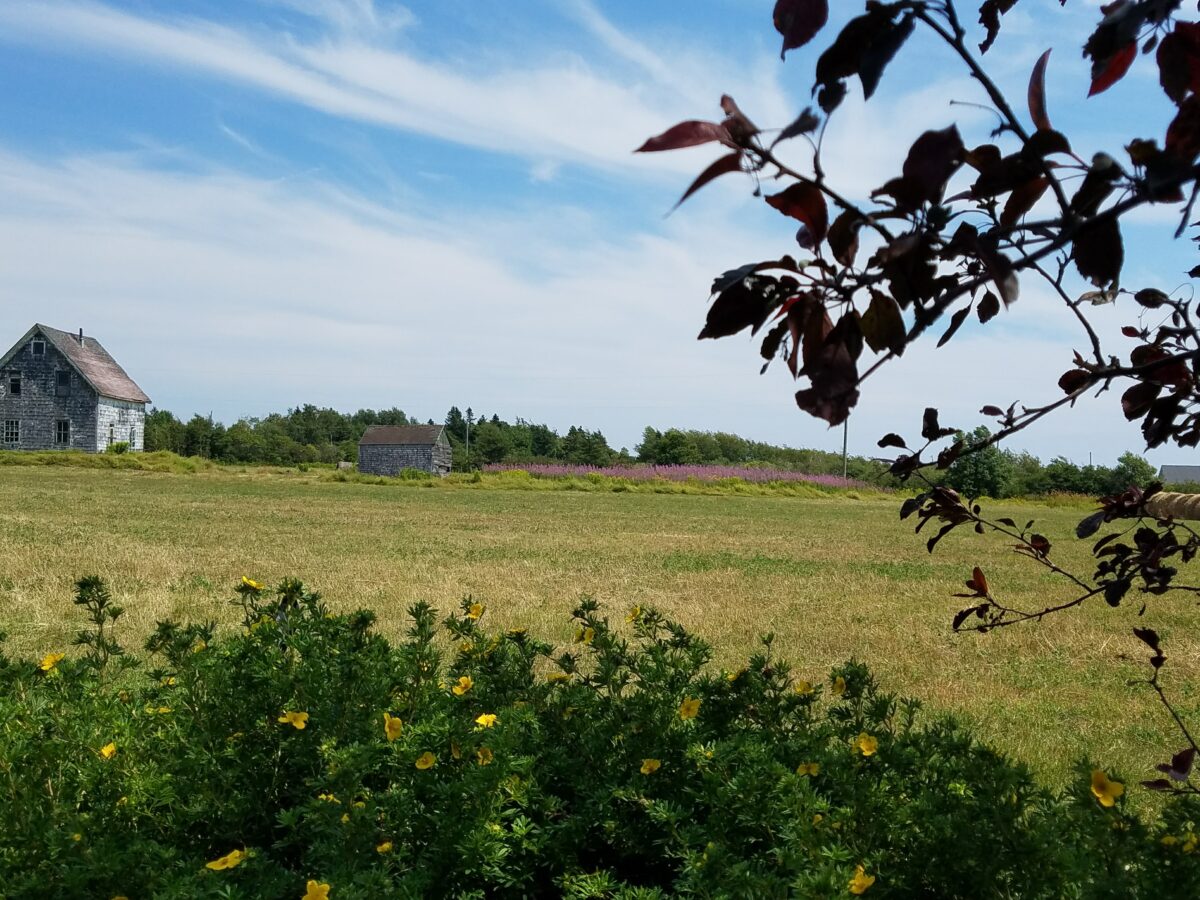
On PEI, the color contrast always grabbed me first, with purple and pink blooms set against green grass and red earth. In Maine, I love the way lupines soften rocky edges, old fields, and winding back roads.
Those cool coastal conditions help explain why June feels so rich in both places. If you want to see how strong that connection is, CBC’s collection of PEI lupin photos captures that feeling well.
My journey from admiring wild lupines to planting my own
After seeing lupines on PEI, I couldn’t let them stay a travel memory. I bought seeds because I wanted to bring that same look home, even if only in a small way. Growing them felt like saving a piece of a place I loved.
Some years have been better than others. That’s part of gardening, especially in rural areas where the weather gets the final say. Still, when my own lupine plant sends up those first flower spikes, I get the same small rush every time.
What I learned after buying lupine seeds
Lupines taught me not to baby them too much. The lupine plant, a member of the genus Lupinus, thrives in full sun and does best in well-draining or sandy soil.
Rich, soggy ground isn’t their favorite place. Their deep tap root makes them tricky to transplant once established, so choose your spot carefully from the start.
I also learned that the seeds often need a little help to sprout. Scarification, such as a light nick in the seed coat, or stratification with a short cold period or a soak before planting, can improve germination.
Nothing fancy, just enough to help water get in. As nitrogen-fixers, lupines enrich the soil over time, which is a bonus for rural gardeners. Just note that they contain alkaloids, so parts of the lupine plant are toxic to pets if ingested; keep an eye on curious animals.
In my experience, lupines suit cool rural areas better than pampered garden beds. They seem happiest where the soil is lean, and the air stays fresh.
And because rural gardeners often deal with deer, I also keep in mind some simple protection tips. If that’s a concern where you live, this guide on protecting lupine plants from deer in rural areas is a helpful next read.
The best lupine flower for your cottage-style garden
Among ornamental plants, Russell hybrids stand out as a popular choice for home gardeners seeking that classic lupine flower. Their tall spikes of vibrant colors bring a whimsical touch to cottage-style gardens, blending effortlessly with informal borders and wilder edges.
Why the lupine plant fits rural life so well
The lupine plant looks right at home in the country. It belongs in open spaces, along fences, near gravel drives, or at the edge of a field where the light stays strong. Deer-resistant and low-maintenance, it’s ideal for hands-off rural spots.
Once established, I’ve found lupines fairly low-care. They don’t ask for much. In the right spot, they may even self-seed and return in new little patches.
That feels especially fitting in rural life, where the best plants often settle in and make themselves part of the land.
How to enjoy those two weeks before the blooms fade
The trick with lupines is simple: don’t wait too long. Their peak can pass fast, and then the spikes begin to lose that fresh color that makes them so striking.
Butterflies and pollinators, including the Karner Blue butterfly that relies on Lupinus perennis, add to the magic as they visit the lupine flowers.
I try to enjoy them with all my senses. The air is often cool in the morning, the light is softer, and the flowers seem brighter before the heat builds. Even a short walk can feel special when the roadsides are lined with flowers.
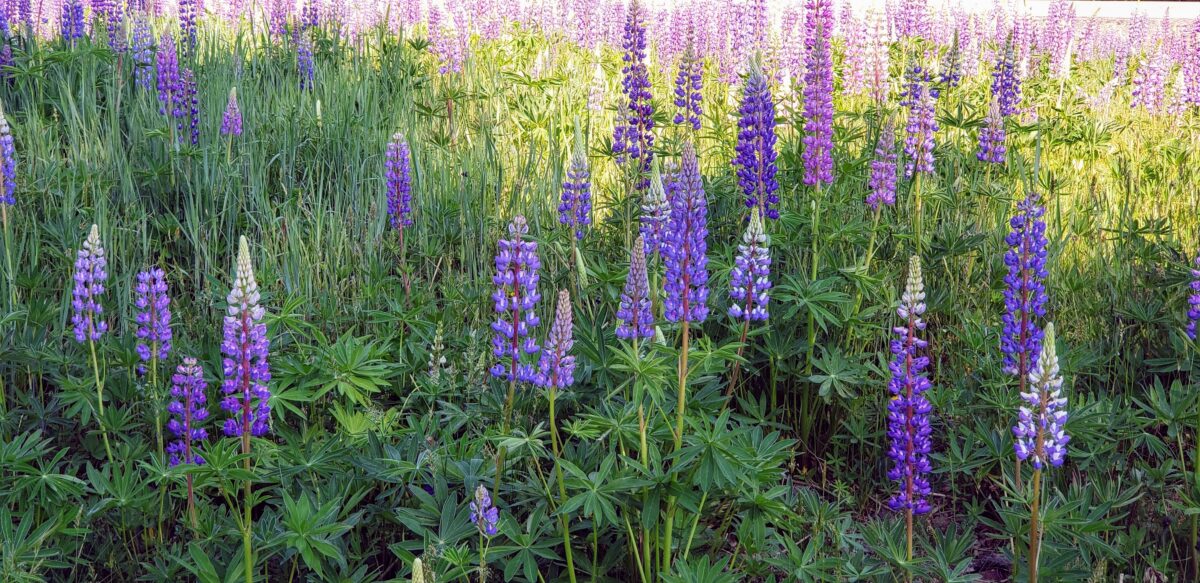
If I’m viewing wild lupines, I keep it respectful. I stay off private land without permission, and I don’t trample plants for a photo. A bloom this brief deserves care, especially with its ecological impact on local varieties and wildlife.
The best time to catch a lupine flower at its peak
In Maine, peak bloom is often in the first half of June. Still, each year shifts. A warm spring can bring flowers earlier, while cool, wet weather can slow them down and stretch the season a little. Northern lupines differ from Texas Bluebonnets in the south, but both create stunning displays.
Because of that, I don’t trust one exact date. I watch the local weather, notice what’s happening in nearby fields, and keep an eye on the roadsides. That works better than the calendar.
Simple ways I make the most of lupine season
I keep it simple. I take photos, film short video clips, go for morning walks, and sometimes choose the long way home just to pass the best patches again.
Some years, I do almost nothing except stop and look. That may be the best part. The colors come on strong, hold for a moment, and then fade into seed pods. Like fireflies or the first ripe berries, lupines remind me that short seasons often leave the deepest mark.
I still think back to that first trip to Prince Edward Island when I see the blooms return. Buying those seeds was my way of bringing home a memory, and each June, that choice feels worth it again.
The lupine flower doesn’t stay long, and maybe that’s why I treasure it. For a week or two, the roadsides brighten, the fields soften, and summer feels new. Then the moment passes, and I start waiting for next June.
Frequently Asked Lupine Questions
When is the best time to see lupines in bloom?
Peak bloom typically hits in the first half of June in places like Maine and Prince Edward Island, lasting about two weeks depending on the weather. Cool, rainy springs can stretch it slightly, while heat speeds it up. Watch local roadsides and fields rather than the calendar for the freshest spikes.
How do I grow lupines from seeds in my garden?
Choose a sunny spot with well-drained or sandy soil, scarify seeds by nicking the coat or soaking them, then stratify with a cold period for better germination. They’re tough once established with deep taproots, so pick your location carefully and avoid rich, soggy ground. In rural areas, they self-seed and enrich the soil as nitrogen-fixers.
Are lupines low-maintenance for rural gardens?
Yes, lupines suit hands-off country life perfectly and are deer-resistant. They need full sun and lean soil; they settle in along fences or field edges without much fuss. Protect from pets because of toxic parts; otherwise, they return year after year. Russell hybrids add vibrant color to cottage-style borders.
Why do lupines seem perfect for Maine and PEI?
The cool coastal climates keep early summer fresh, while open rural views and contrasting soils (red earth in PEI, rocky in Maine) make their colors pop dramatically. Weather shapes the bloom timing, creating roadside spectacles that feel painted on the landscape. It’s that brief, glowing show against green fields that links the two places.
Are lupines safe around pets and wildlife?
Lupine plants contain alkaloids, making their seeds, pods, and foliage toxic to pets if eaten; watch curious animals closely. They do attract beneficial pollinators, such as butterflies, including the Karner Blue, which depends on native varieties. For deer protection in rural spots, simple barriers or repellents work well.

Lisa moved from Southern New England to the rural mountains of Maine in 2020 with her husband. Drawing from her hands-on experience with slower-paced rural living, she shares the beauty, honest realities, and simple pleasures of life in the Maine woods, along with their rural travels across the United States and abroad.