Rural population growth brings both economic gains and pressure on housing, services, and taxes. An increase in population can also lead to increased traffic congestion on rural roads.
Ultimately, an increase in population density has a positive effect on economic development, but this must be balanced against potential negative consequences such as straining existing resources.
Key Takeaways
- Population growth in rural areas often raises demand for housing, health care, schools, roads, and local services.
- Housing shortages are among the biggest effects of rural population growth because limited housing inventory can push up home prices and rents.
- Rural communities can gain jobs, business activity, and local economic growth when more residents move in.
- Growth also puts pressure on roads, public services, and local budgets, which can lead to higher property taxes and service costs.
- Town planning is necessary because rural communities need to balance economic benefits with limits on housing, infrastructure, and public resources.
Effects of Population Growth In Rural Areas At A High Rate of Speed
1. Planning For Growth?
I attended a town meet-and-greet last night with candidates for selectman. A question came up that made me think. Does the town offer plans for major population growth in the coming years? No one seemed to be able to answer the question.
They knew the causes of population growth in rural areas because it was around the time of the pandemic. People wanted to leave the busy cities and move to little rural towns.
Of course, the discussion turned to housing and short-term rentals, as is the case in many areas of the country struggling with these pressing issues.
2. Effects of Population Growth on Rural Housing
Housing is a big issue in our rural area, as it is in many across the country. The cost of homes has skyrocketed, and inventory is way down. Even if someone wants to move to the area, they have difficulty finding housing.
However, a new USDA loan program with 0% down is available starting today, if you qualify. It is only available to those who live in rural communities. Some say the lack of housing is one of the top causes of rural decline.
Where we live you have to go an hour away to get to any hospital. Even that hospital has cut back on services.
Rural Area Life
The local walk-in clinic does not have an X-ray machine because it cannot find someone to operate it. That makes it harder for the elderly population, which still dominates our area.
However, the candidates mentioned a few programs they would like to start for the elderly in the community, and now, a few years later, they have not come to fruition.
3. Effects of Population Growth In Rural Area Schools
Our school system is a single school with grades K-12 in the same building, with over 100 students across all grades. A graduating class can be less than a dozen students.
However, as rural schools continue to grow, smaller classrooms have become a critical topic of discussion. Research has shown that smaller class sizes lead to increased student engagement, participation, and a better understanding of concepts.
Smaller classroom sizes in rural schools are critical to improving:
- Academic achievement.
- Enhancing student learning.
- Promoting lifelong success for rural residents.
However, I’ve recently learned that many students in our hometown are now being homeschooled. The parents I spoke with do not like what is happening with public education.
4. Businesses and Employment
Businesses in our rural town have been struggling to find help to run their restaurants or shops. We are in a rural tourist area on a lake. People come in the summer for boating and fishing, and in winter for snowmobiling. The ski mountain also reopened a few years ago.
However, there are no places for people to live if they come and work here. Some businesses have become creative and bought homes to rent out to their workers at reduced rates.
5. How Population Growth Affects Rural Roads
Increased traffic is an inevitable consequence of population growth and economic development in a rural area. However, in rural areas, the impact can be particularly significant.
For residents in these areas, the additional wear and tear on local roads and highways is more than a matter of inconvenience or delays on their daily commute.
As traffic volume increases, so does the cost of maintaining and repairing the roads, placing an added burden on taxpayers. With each passing year, more tax dollars are needed to keep rural transportation infrastructure in good working order.
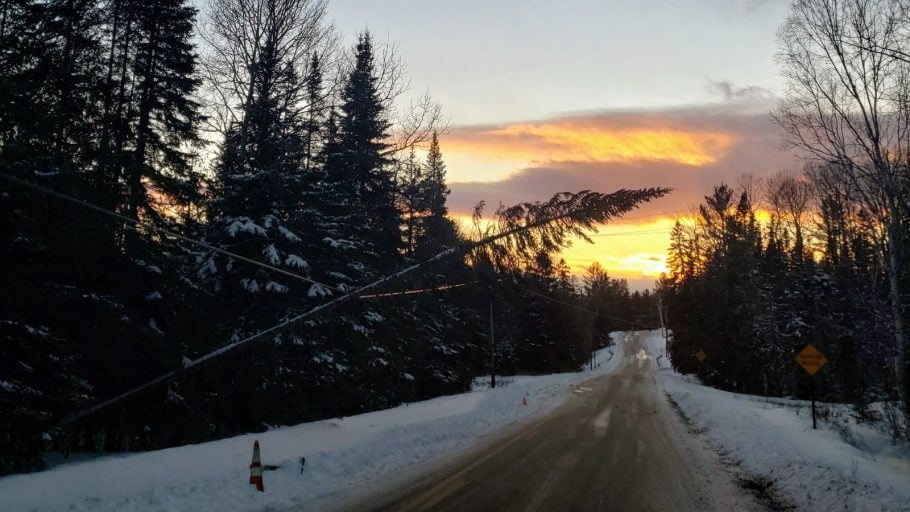
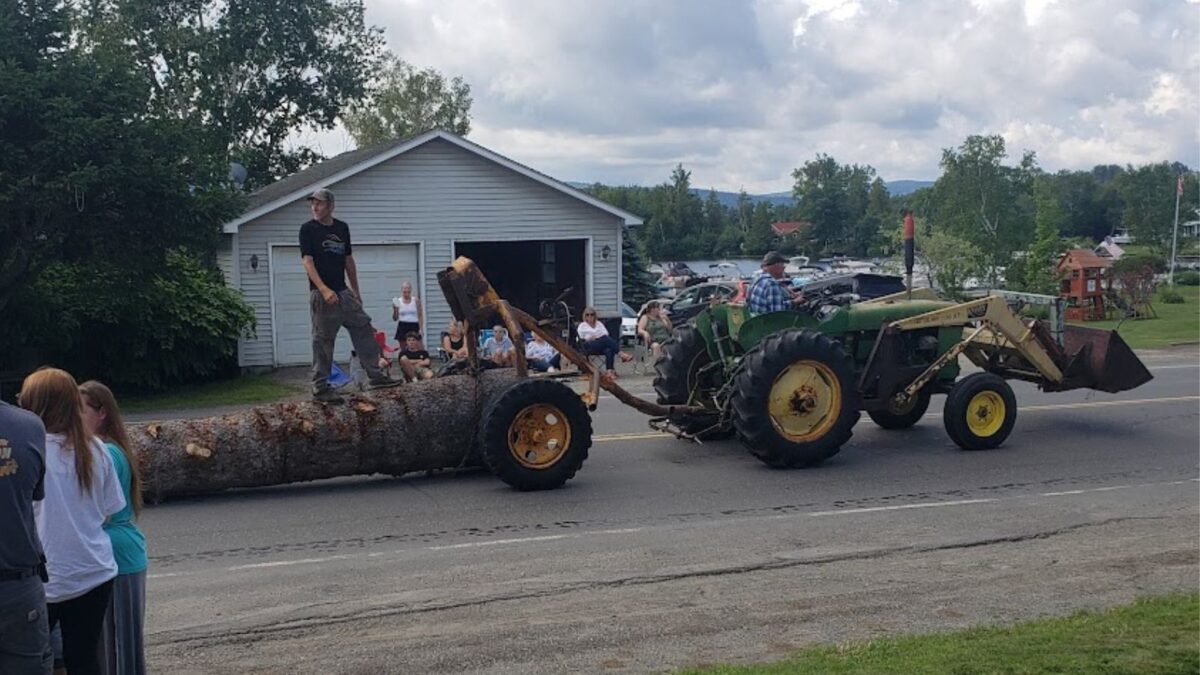
Rural roads can get beaten up by increased traffic from a growing population.
6. Tax Increases: Biggest Effects of Population Growth in Rural Areas
With the increase in population, you can be sure of receiving a property tax increase. Many Mainers have been complaining about this recently as the tax bills went out.
We experienced an increase of over 40% in taxes in our second year here. And this year is a revaluation year.
And if you don’t own real estate but rent, your fees may go toward rent. The increase is usually due to more people using schools and roads.
It makes living in rural Maine much harder in 2026. Other areas of the United States with growing rural populations are seeing the same trend, with increases in property taxes.
However, urban cities are also experiencing increases in property taxes with an influx of illegal immigrants. They crowd the schools that need language interpreters and, in some cities, are giving places to live rent-free for a year or two.
In Conclusion: Effects of Population Growth In Rural Areas
There are more questions than answers. Townspeople want to keep the rural community small, as it has been for years, and that is what drove them here.
Others want to grow their businesses without driving people away. There has to be a happy medium there somewhere.
How is your small rural town doing with the effects of population growth in rural areas? I’d love to hear from you in the comments below.
Frequently Asked Questions About Population Growth in Rural Areas
What are the main effects of population growth in rural areas?
The main effects are higher housing demand, more pressure on medical care and schools, heavier road use, and rising local costs. At the same time, growth can support local businesses and create more jobs.
Why is housing such a big issue in growing rural communities
Housing is a major issue because many rural areas already have limited inventory. When more people move in, prices and rents often rise faster than supply.
How does population growth affect rural schools and health care?
More residents can increase demand for school space, staff, and student services. Health care systems may also face strain, especially in places with limited clinics, fewer specialists, or long travel times to hospitals.
Does population growth help rural businesses and employment?
Population growth can help local businesses because more residents increase demand for stores, restaurants, and services. However, job growth can stall if workers cannot find affordable housing nearby.
Why do taxes sometimes rise when rural areas grow?
Taxes may rise because towns need to spend more on roads, schools, emergency services, and other public needs. As service demand increases, local governments often need more revenue to keep up.

Lisa moved from Southern New England to the rural mountains of Maine in 2020 with her husband. Drawing from her hands-on experience with slower-paced rural living, she shares the beauty, honest realities, and simple pleasures of life in the Maine woods, along with their rural travels across the United States and abroad.