With the rise of the internet and the digital age in rural areas, more and more people are finding they can work from home. But what about those of us who live in rural areas?
The answer is a resounding yes! Remote work in rural areas is possible with the right internet speed, reliability, and a backup plan.
Here’s a look at some ways you can make working from home with the internet in rural areas possible.
Key Takeaways of Rural Internet
- Working from home in a rural area is possible if you have internet that supports your daily tasks, especially video calls, file uploads, and web-based work.
- Rural internet reliability matters as much as speed, so having a backup option like a mobile hotspot, an alternate workspace, or a generator is smart.
- Internet choices vary by location, with options such as Starlink, fiber services like Fidium Fios, and local broadband providers, depending on coverage.
- Better rural internet access can open the door to remote jobs like freelance writing, virtual assistance, customer service, tutoring, and transcription.
- Before moving to a rural area, check internet availability, average speeds, outage risk, and service limits to determine whether the location meets your work needs.
High-Speed Internet Is A Must
One of the best things about working from home is that you can do it anywhere there’s an internet connection. That means that as long as you have a decent internet connection, you can work from home in a rural area.
There are a few things to keep in mind when working from home in rural areas with internet access.
- First, your internet connection needs to be fast enough to handle whatever work you’ll be doing online. If you’re going to be working with large files or streaming video, for example, you’ll need a faster connection than someone who needs to check email and do some light web browsing.
- Second, you’ll need to have a backup plan for your internet service. In rural areas, where internet service is delivered over power lines, power outages and bad weather can sometimes take it down for extended periods.
If your job depends on an internet connection, make sure you have a backup plan—like a mobile hotspot or access to another location with internet—in case your service goes out.
Or you could invest in a generator for power outages in your rural home or office.
Go With Starlink For Faster Speed Internet
Many of our neighbors have purchased Starlink and are loving the internet service it provides. The cost is a little steep as you have to invest in the equipment to get started, which is now around $500. Then the service is approximately $125/mo.
Starlink’s high-speed internet is available in your area.
— Starlink (@Starlink) February 26, 2026
Experience speeds up to 400+ Mbps to stream your favorite shows and sports, work from home, browse social media and more.
I’ve been fortunate that most of my work is done in the early mornings, and I haven’t had many problems staying online to run my small business.
However, that was not the case when the local kids were in school remotely a few years ago. I could not work midday as the internet service was at capacity in our small rural town.
Furthermore, a few months ago, we got Fidium Fios in our area, and it’s made a huge difference, no matter what time of day or night I work.
Broadband Internet Access in Rural Areas
Broadband internet access isn’t just a convenience; it’s a lifeline. Many folks struggle with slow connections, making it harder to work from home or stream their favorite shows.
Picture trying to join a Zoom call, but your internet’s lagging. Frustrating, right? That’s everyday life for many in rural spots.
Congress spent over $42.5 billion to improve internet speeds in rural areas, yet this still hasn’t happened in many places.
(The chart below gives you a sample of median prices and speeds as of April 2, 2026.)
| Starlink | Fiber | Broadband | Mobile Hotspot Backup |
| $120/mo. | $75/mo. | $100/mo. | $30/mo. |
| 45-280+ Mbps to 100 Gig | up to 100+ Mbps to 2 Gig | 100+ Mbps | Up to 150+ Mbps |
| Very Reliable – No strict caps | Reliable – Fewest data caps | Not Always Reliable – Some strict data caps | Reliable but slow – strict data caps |
Internet Needs
What type of internet needs do you have? Here is a checklist to help you make your decision.
- Speed needs.
- Reliability.
- Outage risk.
- Backup options.
- Service availability.
The Pros of Working From Home in a Rural Area
There are quite a few pros to working from home in a rural area. First of all, there’s the cost of living. In general, rural areas are cheaper to live in than urban areas. This means that your cost of living will be lower, which is always a good thing.
(However, check this out before you make the move, as property taxes have increased in our area recently and may have in other rural areas too.)
Additionally, there’s less traffic and fewer people. This can be a huge plus if you prefer peace and quiet while working.
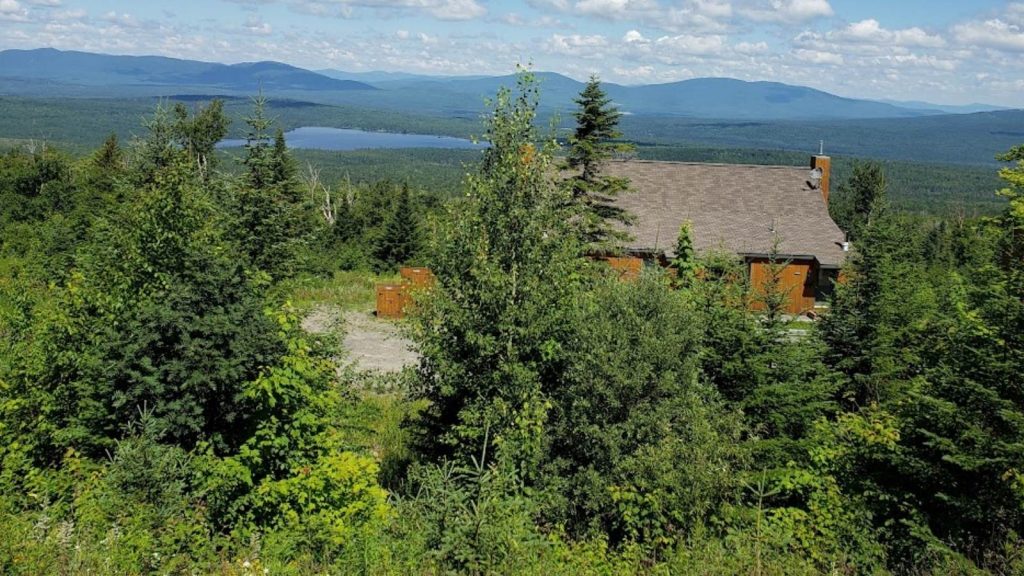
Another pro is that you’ll have more space. If you live in an urban area, chances are you’re crammed into a small apartment with little to no outdoor space.
But in a rural area, you’ll likely have a house with a yard (or even acres of land). This can be great for people who need some extra space to spread out while they’re working.
With great internet in rural areas, you could work outside on your laptop and enjoy nature at the same time.
What Kind of Jobs Can You Do Online With High-Speed Internet In Rural Areas?
There are plenty of opportunities for those who live in rural areas to work from home. Here are just a few of them.
- Freelance writing: If you have a knack for writing, there are many opportunities to do freelance writing from home. You can write for blogs, magazines, or even companies directly. Many websites connect writers with clients, so you should have no trouble finding work.
- Virtual assistant: A virtual assistant is a person who provides administrative support to a company or individual from a remote location. This can include tasks such as scheduling appointments, answering emails, and managing social media accounts.
- Customer service representative: Many companies now offer customer service positions that can be done from home. This is a great option if you enjoy helping people and problem-solving.
- Online tutoring: Are you an expert in a particular subject? If so, you can make money by tutoring students online. Many websites connect tutors with students looking for help.
Other Online Jobs:
- Data entry: It’s a great option for those who want to work from home but don’t want to deal with customers or clients. This job entails inputting data into a computer system for storage or processing.
- Social media manager: Do you love spending time on social media? If so, you could get paid to do it! Many businesses now hire social media managers to create and post content on their behalf.
- Website developer: Are you good at coding? If so, you could make good money developing websites for businesses or individuals. This job can be done entirely from home.
- Product reviewer: Do you like trying out new products? If so, there are companies that will pay you to review their products and give your feedback.
More Online Jobs in Rural Areas With The Internet:
- Online surveys: You can make money by taking online surveys and providing your opinion.
- Graphic designer: Do you have experience with graphic design? If so, many businesses and individuals would be willing to pay you for your services.
- Event planner: Are you good at planning events? If so, some companies will pay you to plan events such as weddings, corporate functions, and parties.
- Personal shopper: Do you enjoy shopping? If so, some companies will pay you to shop for them. This job entails buying items such as clothing, groceries, and gifts on behalf of your client. Not only that, but if you live in a rural area, older residents may pay you to shop for them.
- Transcriptionist: A transcriptionist is someone who converts audio files into written text. This job can be done entirely from home as long as you have a computer and an internet connection.
- Travel agent: Are you passionate about travel? If so, you could get paid to help people plan their dream vacations. Many travel agents now work entirely from home thanks to the Internet in rural areas.
The Cons of Working From A Rural Home
Of course, there are also some downsides to working from home in a rural area. The first is that there may be fewer job opportunities. If you’re looking for a specific type of job, you may have better luck finding it in an urban area.
Additionally, pay may be lower in rural areas. This is often because there are fewer jobs available overall.
However, that may not be the case as much as it used to be, as businesses in our small rural town are desperate for help and paying higher wages today. We see help-wanted signs everywhere in our rural area.
Another potential downside is that there may be fewer people around. This can be isolating for some people and makes it hard to stay motivated while working from home.
Additionally, if you have kids, it can be hard to find childcare in a rural area because there are often fewer daycare options.
Beware: The Worst States With Internet Service
According to Get Internet, these are the five worst 5 states with internet service:
- #46 Wyoming – 29.9 Mbps average speed – 75.2% Coverage
- #47 Oklahoma 26.8 Mbps 74.5%
- #48 Arkansas 25.0 Mbps 73.3%
- #49 Mississippi 25.2% Mbps 70.2%
- #50 Montana 20.3 Mbps 69.2%
They do go on to state that “Large, rural states have less Internet coverage and slower speeds than small, highly-populated states.” If you check out their webpage, you will see that the top states with the best internet service have high population density.
How to Check Rural Internet Before You Move
Before you move, check every internet provider serving the exact address, not just the ZIP code, because rural coverage maps are often inaccurate. Then ask neighbors what they actually get in terms of:
- Speed.
- Outages.
- Data caps.
Satellite, fixed wireless, DSL, and cell-based home internet can vary a lot from one road to the next. If you work from home or stream often, also test the cell signal at the property and ask for a recent speed test, so you don’t end up stuck with slow or unreliable service.
Conclusion: Rural Area Internet
Working from home is becoming more popular—and for good reason. It offers more advantages than traditional office work, such as increased flexibility and shorter commute times. But what about those of us who live in rural areas?
Can we work from home with the internet in rural areas, too? The answer is a resounding yes. As long as you have a decent internet connection, you can work from home in a rural area.
Just keep in mind that your internet connection needs to be fast enough to handle whatever work you’ll be doing online. Also, you should have a backup plan for when (not if) your internet service goes out.
Do you work online in a rural area? I’d love to hear about your journey with internet access in rural areas.
**If you want Fidium Fios: Order online using my referral link, we’ll both receive a link for your $100 gift card — double the standard reward!
Frequently Asked Questions About the Internet in Rural Areas for Working From Home
What internet speed do you need to work from home in a rural area?
The right speed depends on the kind of work you do. Basic tasks like email and web browsing need less bandwidth, while video calls, cloud tools, and large file uploads need a faster and more stable connection.
Is Starlink a good option for rural internet?
Starlink can be a strong option in areas with limited wired service, especially where cable or fiber is unavailable. It may cost more upfront than some local options, so compare total costs before deciding.
Why do rural remote workers need a backup internet plan?
Rural service can drop during storms, power outages, or periods of heavy local use. A backup plan helps you stay connected when your main service goes down. Good examples include a mobile hotspot, a second internet source, or access to another place with reliable internet.
What types of jobs can you do online with rural internet?
Many remote jobs work well in rural areas if your connection is stable enough. These include freelance writing, virtual assistant work, customer service, tutoring, transcription, and social media management.
What should you check before moving to a rural area for remote work?
Check what providers serve the address, what speeds they actually deliver, and how often outages happen. You should also consider equipment costs, monthly fees, data limits, and whether the mobile service is strong enough for backup use.

Lisa moved from Southern New England to the rural mountains of Maine in 2020 with her husband. Drawing from her hands-on experience with slower-paced rural living, she shares the beauty, honest realities, and simple pleasures of life in the Maine woods, along with their rural travels across the United States and abroad.


I have heard many positive things about Starlink and I would also agree that it is most appropriate for those people who live in rural areas.
Personally, I would not choose to live in an area that has bad internet coverage.
Thank you, Renard. I have too. It’s in my back pocket if I need it. I also just found out today there is a new fiber optic company opening in our area. I’ve been fortunate in our area to have good internet service most days. Although during the pandemic when kids were at home learning, I could not work online during lunch time. Luckily I’m an early morning person 🙂 Thanks for coming by to comment and have a great day Renard.