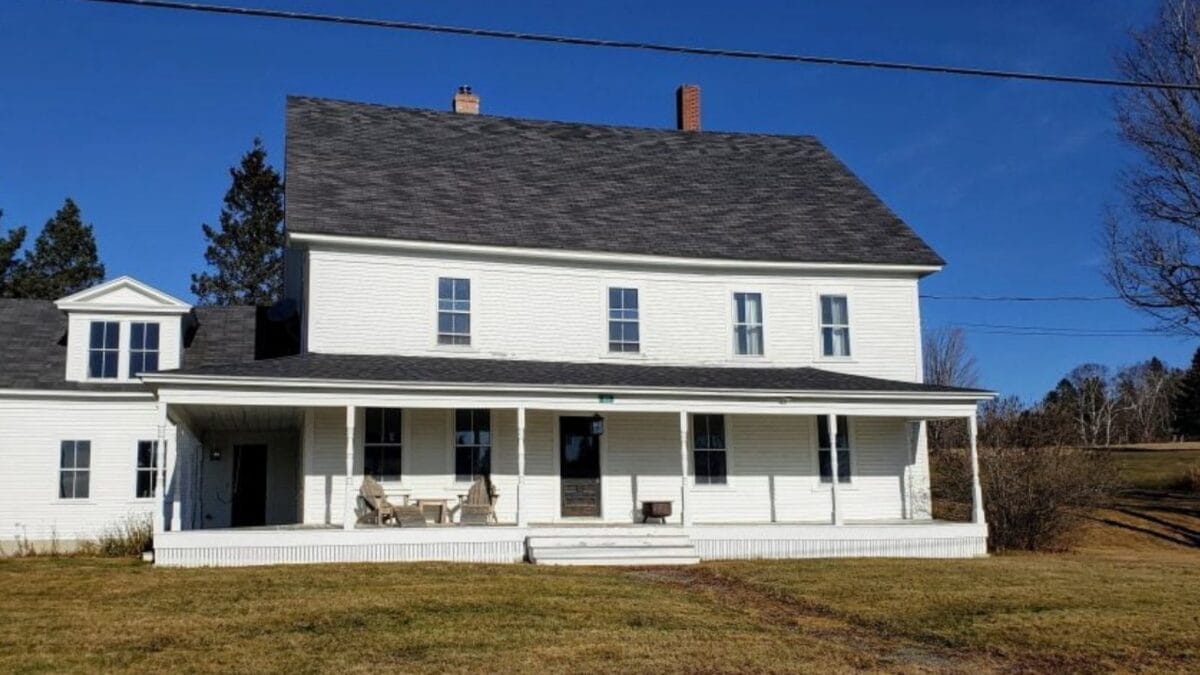
The demand for homes in rural areas and small towns remains robust heading into 2026. While the explosive post-pandemic surge has moderated, rural markets have shown impressive resilience with home prices in non-metro counties rising over 70% from late 2019 to late 2025; far outpacing the roughly 30%+ gains in many metro areas
People continue to choose rural living for a mix of practical and lifestyle reasons. Here’s an updated look at the key factors in 2026.
What Are The Key Factors of Home Prices?
- Location drives home prices the most, including schools, jobs, and access to services.
- Size and land matter, but acreage, lot shape, and usable space affect value more than raw numbers.
- Conditions and updates change the price fast, especially repairs, kitchens, baths, roofing, and overall upkeep.
- Local market demand matters, along with nearby sales and mortgage rates.
- In rural areas, water, septic, road access, internet, and distance to town can significantly affect the price.
What Is The Cost of Living in Rural Areas?
One significant factor that is driving the trend toward rural living is the cost of living. Small towns and rural areas tend to have lower costs for housing, food, transportation, and other necessities than their city counterparts.
This means that people who are looking for a more affordable place to live can find it in rural areas, often without sacrificing access to amenities or quality of life.
In addition, many states offer tax incentives for those who purchase property in less densely populated areas. This can be an added benefit for buyers seeking an affordable option.
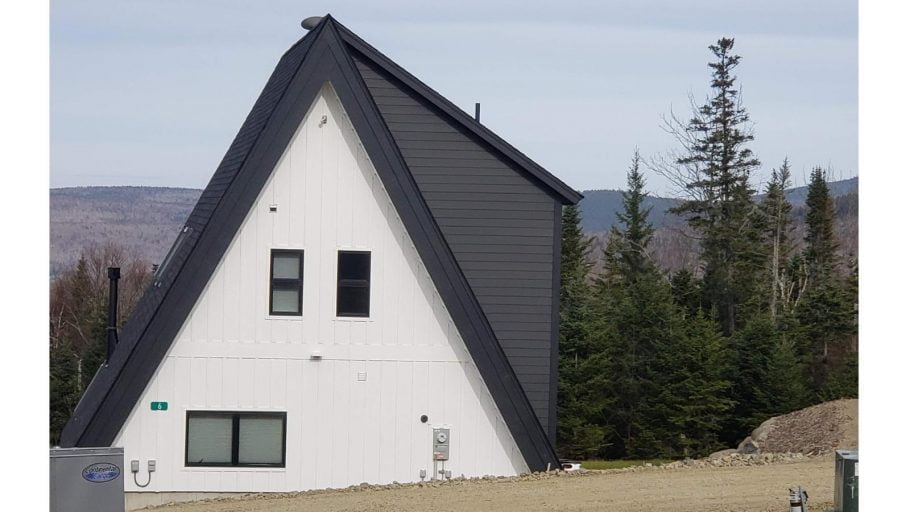
However, in rural areas near ski mountains or resort areas, prices are not lower; they have risen dramatically in recent years. Not all rural areas are less expensive, so do your research before you start looking for that new rural property.
Back in 2023, our home property taxes went up a whopping 40%. The cost of living has gone up a lot, from groceries to fuel prices to electricity and heating.
Is There An Increase In Quality Of Life?
Rural and small-town living frequently delivers more outdoor recreation (hiking, fishing, hunting, gardening), cultural spots, and spacious yards without urban congestion. This appeals to families, retirees exploring rural options, and remote workers alike.
Reduced Stress & Improved Mental Health
Thirdly, let’s not forget about stress reduction. The hustle and bustle of big cities can take a toll on mental health over time; by contrast, many small towns offer a peaceful atmosphere that can help reduce stress.
Research has shown that living in a natural environment like a rural community can lead to better overall mental health outcomes when compared with living in an urban area.
Therefore, it is even more appealing to those seeking peace and quiet away from the city streets. When we go back to our old urban neighborhood, the one thing that strikes me on the highway is the number of billboards and flashing lights.
Not to mention all the stop-and-go traffic. I never realized how stressful that was, day after day, living there, until I moved away, and my blood pressure went down.
Are You Closer To Nature Living In Homes In Rural Areas?
Rural homes often border forests, rivers, and hills, and are home to wildlife, making them ideal for outdoor enthusiasts. With most homes having more acreage, you have plenty of room to roam in nature.
Check local regulations for hunting, fishing, or land use.
Are There Opportunities For Self-Sufficiency?
Rural areas often offer plenty of opportunities for self-sufficiency that don’t exist in urban settings. You have more space available for gardening and raising animals if you’d like. That is virtually impossible in most large cities or suburbs.
If self-sufficiency isn’t your thing, there is often plenty of room for outdoor activities like hiking, fishing, hunting, and camping, which can offer an escape from everyday life without having to drive hours from home.

Can You Work Remotely?
Remote and hybrid work remain structural shifts (though full-remote postings have declined somewhat in the 2026 job market). Reliable high-speed internet (e.g., fiber expansions) has improved in many areas, enabling professionals to live in rural areas while earning urban-level incomes.
This has sustained migration to “Zoom towns” and smaller communities. We love our new fiber optic internet, which we got a year ago.
Are There Smaller Communities?
When you live in a rural area, you become part of a much smaller community than what you would experience in an urban environment. This means that everyone knows each other, which can be both good and bad!
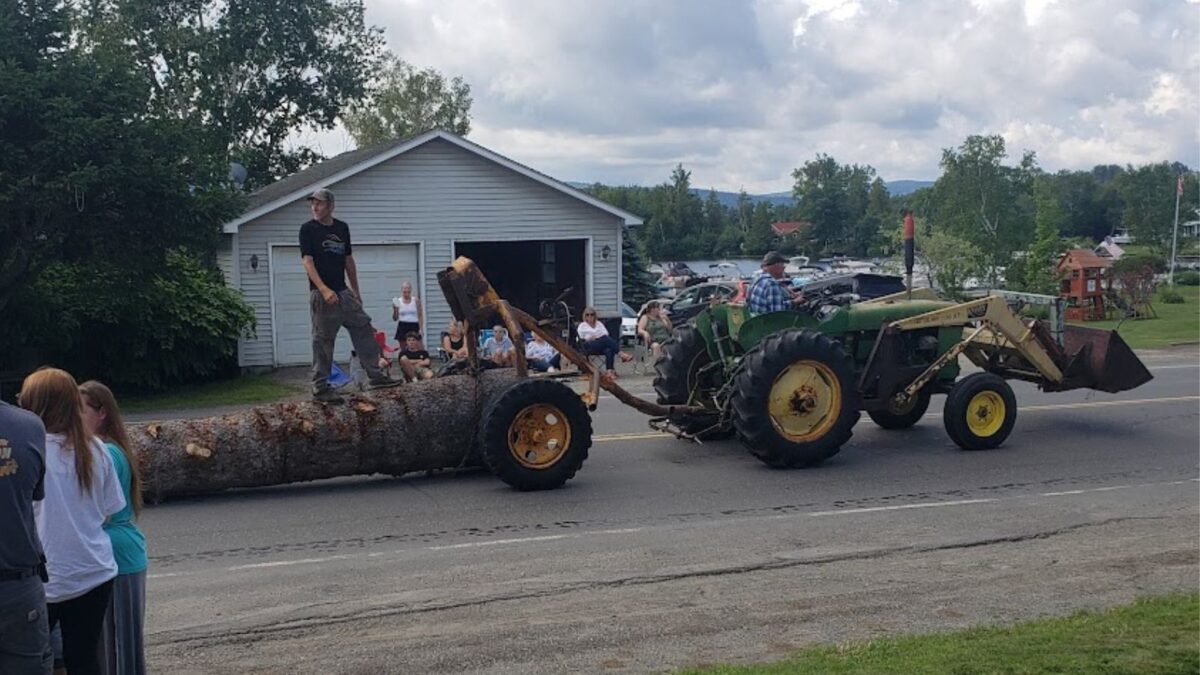
But one major benefit is that it encourages people to get involved in their local communities, making it easier to build relationships with neighbors and even participate in town events. It also creates a sense of overall safety because everyone is more connected with one another.
However, it takes time to get to know your neighbors unless you work in the area or are involved in an organization there for a while.
Should You Buy Land For Sale In Rural Areas?
If the right home isn’t available, buying land and building (or placing a modular/manufactured home) is a popular option. Building supply costs have eased in places, but labor and timelines can vary.
Rural land often allows for customization and larger parcels.
Conclusion: Finding Your Home In Rural Areas Today
2026 is seeing a stable demand for homes located outside large metro areas. Buyers are drawn by relative affordability (despite recent gains), access to nature, lower stress, community, and compatibility with remote work.
Rural America offers strong value for those prioritizing space, cost savings, and lifestyle, especially in the Midwest, South, and other lower-cost regions.
With their lower cost of living, improved quality-of-life options such as access to nature preserves or cultural sites, and reduced stress levels due to quieter atmospheres. It’s easy to see why so many have been moving away from cities towards smaller communities over the past year.
If you’re looking for an affordable place with plenty of outdoor recreational activities or just want some peace away from busy city streets, then you may want to consider buying a home in one of these rural areas.
This is an updated adaptation of the original post, using 2025–2026 data from sources such as Realtor.com, Redfin, NAR, USDA/ERS, Zillow, and others. Markets evolve quickly; consult local real estate professionals for the latest.

Lisa moved from Southern New England to the rural mountains of Maine in 2020 with her husband. Drawing from her hands-on experience with slower-paced rural living, she shares the beauty, honest realities, and simple pleasures of life in the Maine woods, along with their rural travels across the United States and abroad.