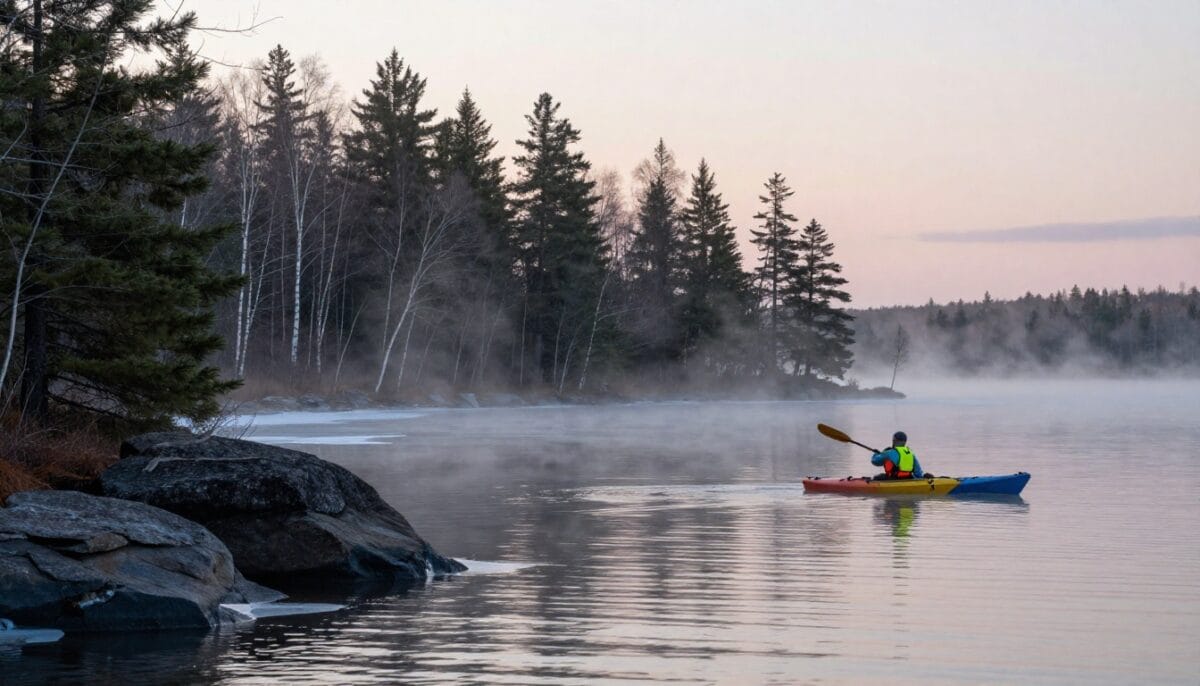
Ice out can be deceiving. The lake may look open, bright, and inviting, but the water remains cold enough to cause immediate physical distress. Because of these hidden cold-water hazards, the National Weather Service cold water safety message is a vital reminder for those living near rural lakes to exercise extreme caution, even on a warm spring day.
Spring weather shifts rapidly, but water temperatures do not warm up as quickly as the air. It is important to remember that the danger of frigid water typically persists for several weeks or even months after the ice has melted, often remaining a threat until late June in Western Maine.
As you enjoy the return of open water, keep these safety guidelines in mind to protect yourself and your family, especially if you come up to visit.
Key Takeaways of Ice Out
- Ice out does not mean the water is warm; lake temperatures often remain near freezing for weeks or months after the ice has melted.
- Sudden immersion in frigid water causes a ‘cold shock’ response, leading to involuntary gasping, rapid loss of muscle control, and reduced cognitive function.
- A life jacket is your most critical survival tool because cold water immersion rapidly compromises even the strongest swimming skills.
- Always dress for the water temperature rather than the air temperature and maintain a safe distance from slippery, unstable shorelines.
- If an emergency occurs, prioritize the ‘reach or throw’ method and avoid entering the water to assist unless absolutely necessary to prevent becoming a second victim.
Understanding the National Weather Service cold water safety message and Physical Risks
When we talk about ice out in Western Maine, it is important to remember that the term refers to the clearing of surface ice. It does not mean the lake has warmed up.
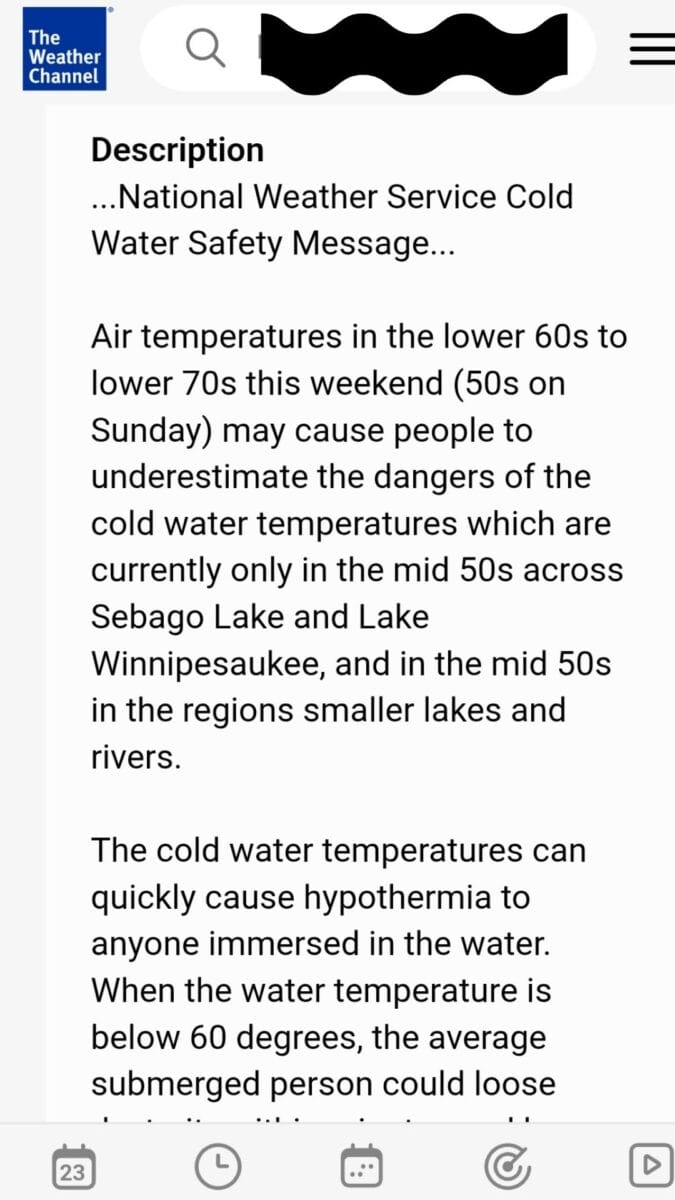
Because the water temperature often remains near freezing for weeks after the ice disappears, the National Weather Service cold water safety message remains vital. (We always wondered why we were receiving these National Weather Service cold water safety messages almost daily.)
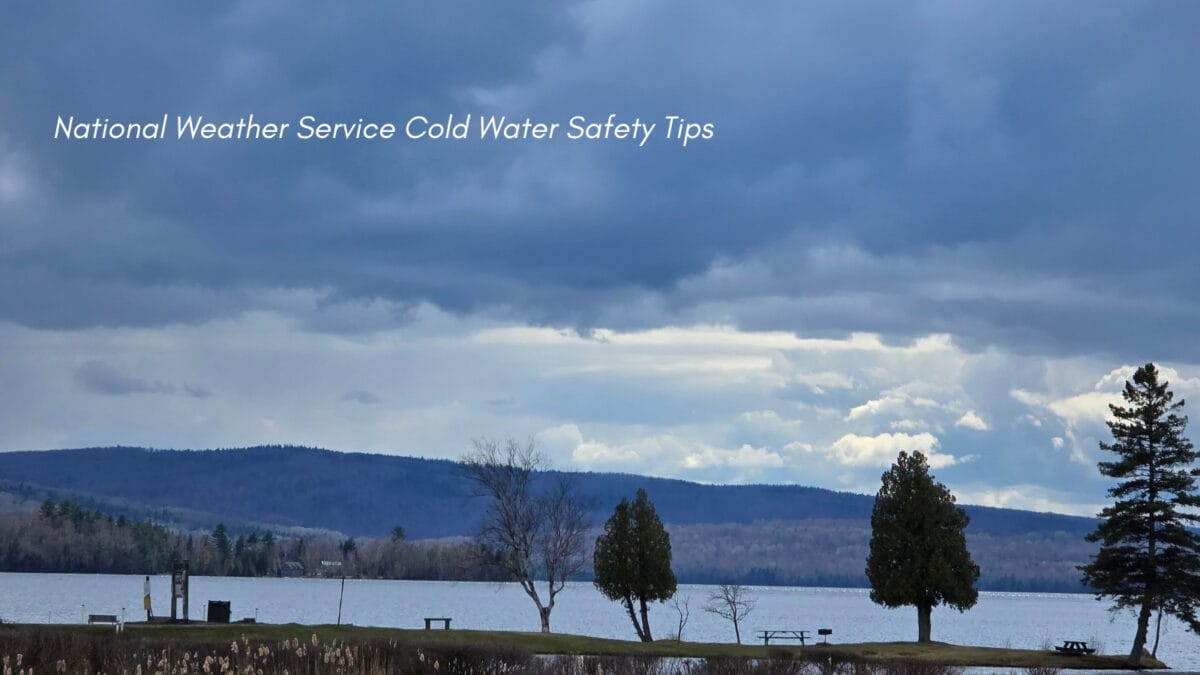
While air temperatures may begin to rise during the spring, water temperatures lag significantly behind.
Deep lake basins, consistent shade, and ongoing snowmelt runoff keep the water much colder than it appears from the shoreline, ensuring the environment remains hazardous long after the surface seems open.
The physiological impact of sudden immersion
If you fall into these frigid conditions, sudden immersion triggers an immediate physiological response known as cold shock. This reaction causes involuntary gasping and rapid breathing, which can quickly lead to panic if you are not prepared.
As your body loses heat, the rapid drop in temperature results in physical incapacitation and a significant loss of muscular control. This cooling process makes self-rescue nearly impossible, as cognitive impairment often sets in within minutes, clouding your judgment and slowing your reaction time.
Because swimming skills mean very little when your muscles are failing to respond, that blunt safety message is a necessary reminder for everyone heading to the water this spring.
The biggest dangers for people near rural lakes in spring
You do not need to be swimming to face serious hazards. Most trouble begins with routine spring chores, fishing trips, or lakeside outings that turn dangerous without warning.
Understanding the risks of cold water immersion
Many people underestimate the drowning risk associated with early spring. While the air temperature may feel warm and inviting, the water remains dangerously cold. This disparity creates a false sense of security, even in early May when we still had snow, people forget when the weather turns very warm.
Whether you are wading near the shore, casting a line from a boat, or clearing debris from a dock, a single slip can lead to cold-water immersion. Even a brief plunge into near-freezing water can trigger an involuntary gasp reflex, making it difficult to control your breathing or swim to safety.
Muddy banks, slick boat ramps, and unstable docks are common during this season. A simple misstep can put you in the water before you have a chance to react.
Why a life jacket is your best defense
It is a common misconception that strong swimming skills will protect you in these conditions. When cold water steals your breath and physical strength, your ability to stay afloat is severely compromised. A life jacket or personal flotation device is essential for survival.
The U.S. Coast Guard recommends that you wear your life jacket at all times while on or near the water, rather than keeping it stowed. If you find yourself in the water, a personal flotation device buys you the critical time needed to recover from the initial shock and call for help.

Do not wait until an emergency arises; prioritize your safety by keeping your gear on whenever you are near the shoreline.
How can you stay safer in the weeks after ice-out?
You do not need fancy gear to stay safe. You simply need a few habits that fit rural lake life and help you manage the risks of frigid spring conditions.
What to wear, bring, and check before you go out
Preparation is your best defense against the unexpected. Follow these safety protocols before heading near the water:
- Check the weather forecast and any active marine weather statements before leaving the house. While rip currents are rare in lakes, wind-driven waves can quickly become dangerous.
- Dress for the water temperature rather than the air. If you plan to be on the water, wear proper cold water protection gear, such as a wetsuit or drysuit, to provide essential thermal protection.
- Always bring dry clothes in a waterproof bag and keep a charged phone in a secure, accessible pocket.
- Tell a friend or family member exactly where you are headed and when you expect to return.
- Keep children and pets close to you when near the shoreline, as banks can be unstable and slippery during the spring thaw.
If the wind still bites, read these tips on staying warm in freezing weather to ensure you are fully prepared for the conditions.
What to do if someone falls into cold water
If an accident occurs, remain calm and follow the reach-or-throw method first. Do not jump into the water to assist someone unless you have no other choice, as you risk becoming a second victim.
If you or someone else falls in, the goal is to stay afloat and preserve body heat. If the person cannot get out of the water immediately, they should assume the H.E.L.P. position (Heat Escape Lessening Position) by pulling their knees to their chest and wrapping their arms around them. This technique reduces the surface area exposed to the cold, which helps maintain core body temperature and increases survival time.
Once they are back on land, prioritize safety measures by getting them out of the wind and into dry clothes as quickly as possible.
Frequently Asked Questions
Why does the lake stay cold so long after the ice melts?
Even when surface ice disappears, the deep basins of lakes and ongoing snowmelt runoff keep lake water temperatures near freezing. Because water gains heat much more slowly than the air, the lake remains a hazardous environment well into the late spring or even early summer in regions like Western Maine.
Is being a strong swimmer enough to keep me safe in cold water?
No, swimming skills are rarely enough to overcome the physiological effects of cold water immersion. The shock of the cold causes involuntary gasping and physical incapacitation, which can cause even expert swimmers to lose muscle control and drown within minutes.
What is the best way to help someone who has fallen into cold water?
If you see someone fall in, avoid jumping into the water yourself to prevent becoming a second victim. Instead, use the ‘reach or throw’ method to assist them from the safety of the shore, and alert emergency services as quickly as possible.
Should I wear a life jacket even if I am just walking along the shore?
While not always necessary for casual walking, wearing a life jacket is strongly recommended when fishing, boating, or working near the water’s edge. Because spring banks are often muddy and slippery, a simple slip can lead to accidental immersion, making a life jacket a vital safety precaution.
Conclusion: Staying Safe In Cold Waters
The National Weather Service cold water safety message is far from being an exaggeration. Even when a lake begins to look like spring, it still behaves like winter, posing a persistent risk of hypothermia for anyone who falls in.
Before you venture out to fish, boat, or walk the shore in Western Maine, take these conditions seriously. Ice out is not a signal that it is safe to lower your guard, as these rural lakes require respect and caution long after the ice has disappeared.

Lisa moved from Southern New England to the rural mountains of Maine in 2020 with her husband. Drawing from her hands-on experience with slower-paced rural living, she shares the beauty, honest realities, and simple pleasures of life in the Maine woods, along with their rural travels across the United States and abroad.