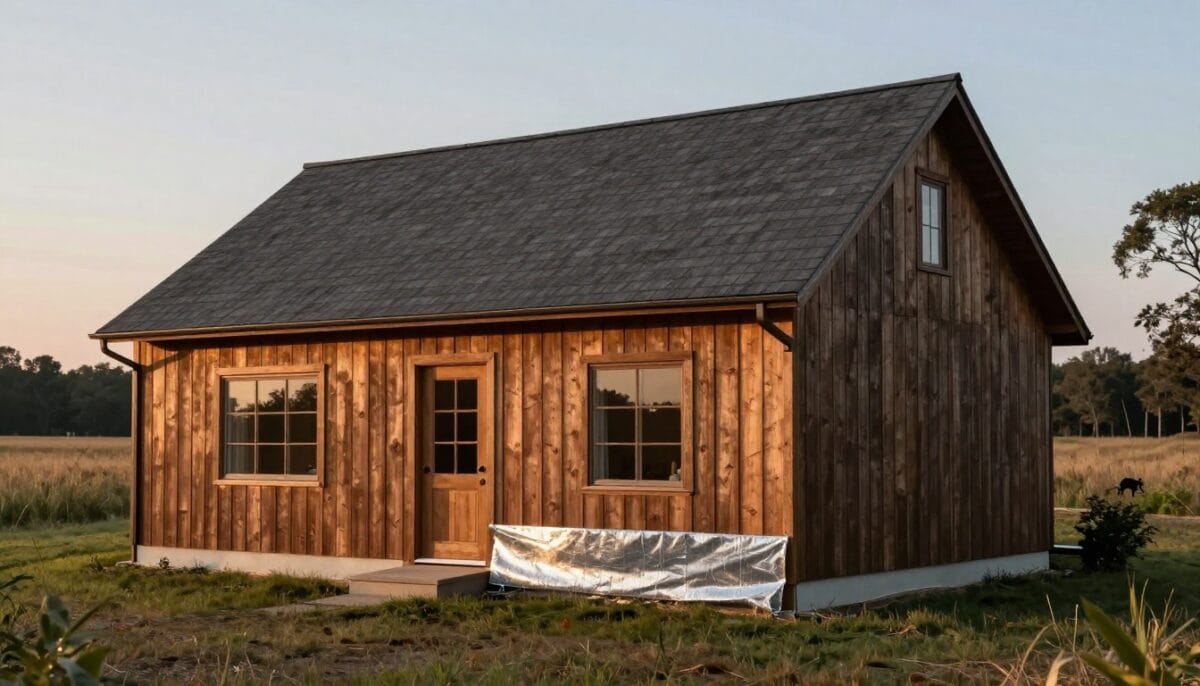
In the country, mice do not need an invitation. They only require a tiny gap, a warm wall, and one easy meal to move in. Understanding how to keep mice out is the most effective way to protect your property and ensure your rural home remains a sanctuary.
Proactive measures are essential because they prevent a full-scale rodent infestation from taking hold before you ever hear scratching in the walls at night. If you focus on prevention first, you can stop most problems before they turn into nests, droppings, and chewed boxes. Start by understanding why they come inside, then block the openings, cut off their food supply, and address any trouble early.
Key Takeaways
- Seal entry points thoroughly: Mice can squeeze through gaps as small as 1/4 inch, so use durable materials such as hardware cloth, steel wool, and metal flashing to seal all foundation cracks and utility penetrations.
- Eliminate food sources: Secure pantry staples, pet food, and livestock feed in airtight, rodent-proof containers to prevent attracting pests to your living space or storage areas.
- Reduce clutter and cover: Remove potential nesting materials and hiding spots, such as cardboard boxes, scrap fabric, and woodpiles stacked near the house’s exterior.
- Perform regular inspections: Conduct routine checks of hidden areas, such as basements, attics, and behind appliances, to identify early signs of activity—such as droppings or gnaw marks—before an infestation grows.
Why mice show up in rural homes
Rural homes sit closer to everything mice already use, including fields, barns, sheds, woodpiles, and brush. When the weather turns cold or wet, your house feels like the safest dry pocket around.
Country homes also tend to have more ways in. A crawl space, older siding, utility lines, vent openings, and worn thresholds all create opportunity. Even newer homes can have small gaps where different materials meet.
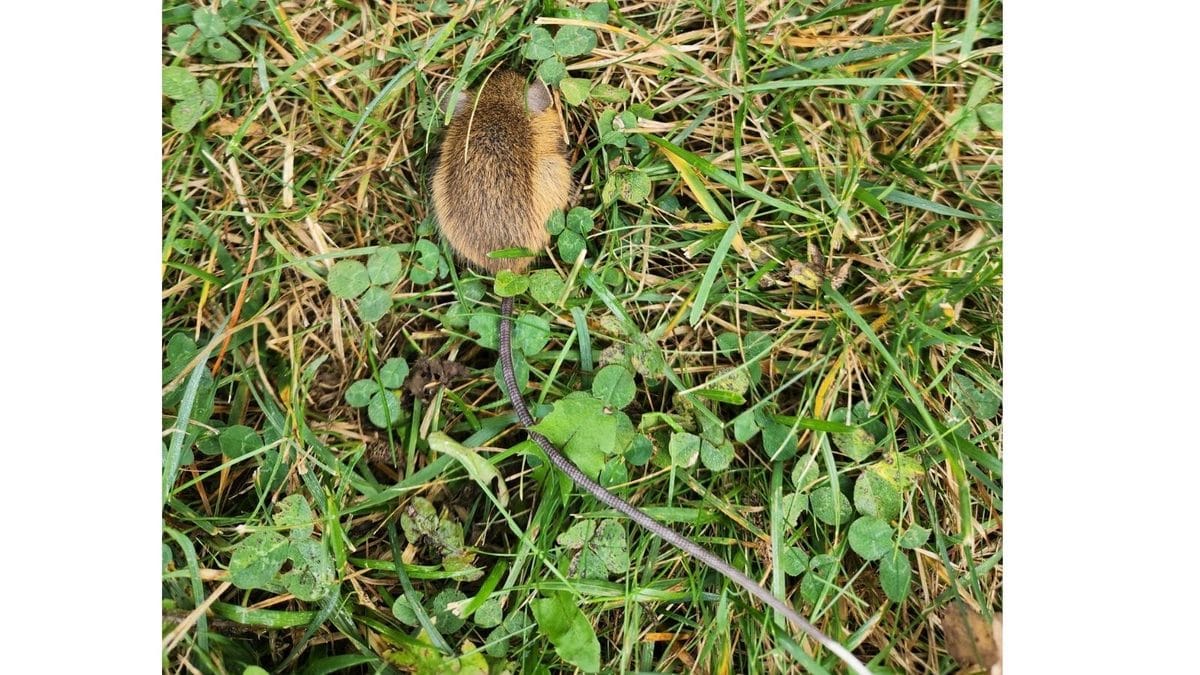
What attracts mice to your home in the first place
Think like a mouse for a minute. You are not hunting for a dream house. You are hunting for food, cover, and a quiet place to nest.
The biggest draws are usually simple food sources that make your home a target:
- Pet food left out overnight.
- Birdseed or livestock feed in paper or woven bags.
- Pantry items in thin boxes, like cereal, flour, oats, and crackers.
- Crumbs under the stove, fridge, or kitchen table.
- Garbage cans with a loose lid.
- Cardboard, fabric scraps, and clutter in corners.
A mudroom with food, a garage shelf with grass seed, and a basement stacked with boxes can feel like a full-service stop. If food is easy and shelter is close by, mice will not keep searching.
Why rural homes face more pressure than town homes
Out in the country, the pressure starts outside. Mowing, harvesting, rain, and cold snaps push mice to seek new shelter quickly. Having woodpiles near the porch or feed in a nearby outbuilding can keep them close enough to test your house every night.
Older construction adds to the risk. So does distance from neighbors, because pests have fewer competing places to go. You should also watch for mice collecting nesting materials, such as insulation or fabric scraps, hidden within your storage areas.
And no, a clean home is not immune. Mice do not need a messy house. They only need one opening.
Seal the small gaps mice use to get inside
If you want to know how to keep mice out for good, you must learn how to properly seal entry points. When you take the time to seal entry points before mice settle in, the rest of your pest prevention work becomes much easier.
Walk the outside of your house in daylight, then do it again with a flashlight. Go slow. Look low first, then work your way up.
Check the outside of your house from foundation to roofline
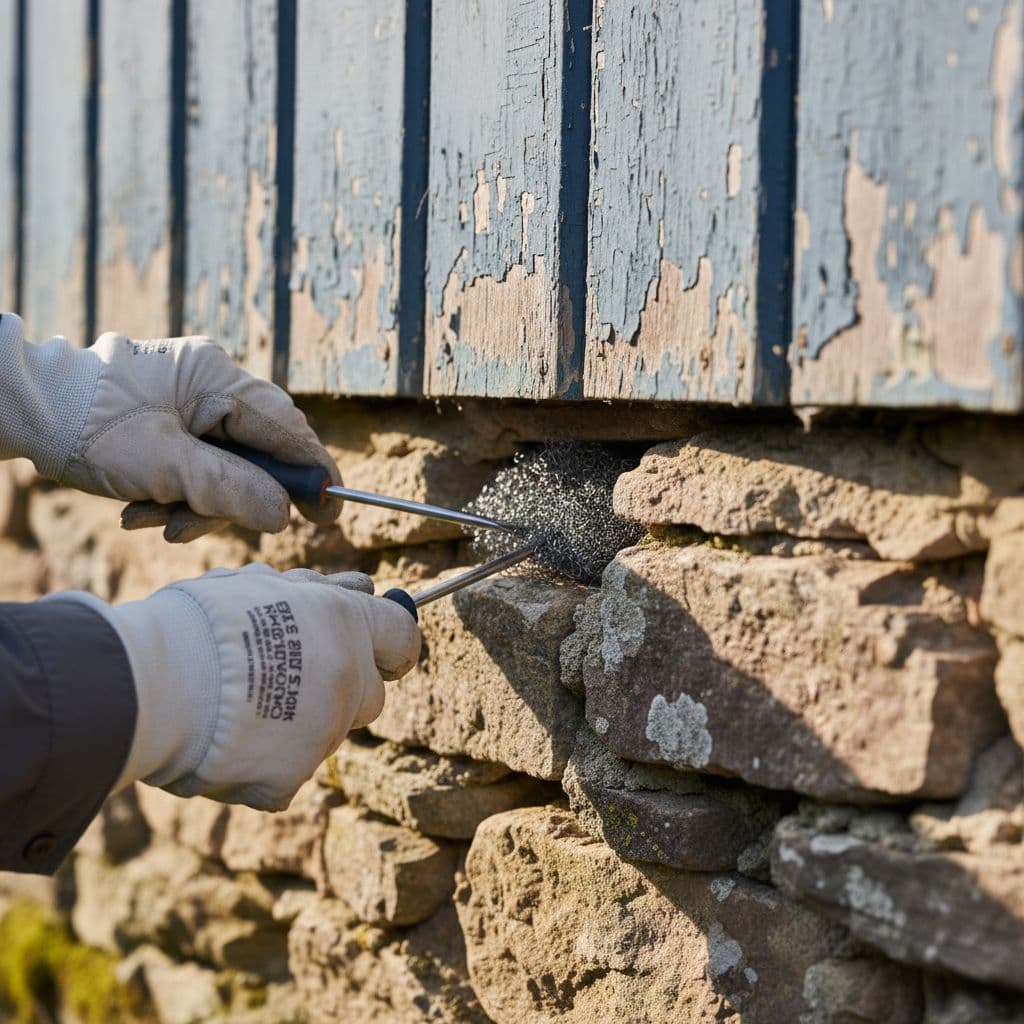
Start at the foundation. Look for foundation cracks, gaps where pipes enter, loose mortar, and spaces where siding meets concrete. Check around dryer vents, crawl-space vents, hose bibs, cable lines, and air-conditioning lines.
Then move to doors and windows. Worn weatherstripping, light showing under a door, or a damaged garage door threshold all matter. Make sure your garage door seals completely against the floor. Also, inspect gaps around attic vents, soffits, and roofline flashing.
Keep in mind that mice can squeeze through 1/4 inch holes. That means a hole that looks minor to you can still be a front door to them.
Tiny gaps matter. If you can fit the tip of your finger into it, give it a hard look.
Use the right materials to close openings for good
Soft filler alone will not hold up because mice will chew through it. If the repair feels weak, they will test it.
Use hardware cloth for larger openings, metal flashing where edges need reinforcement, and exterior-grade caulk for narrow cracks. For deeper gaps, you can use spray foam, but only as a backing for more durable materials. You should also use copper mesh or steel wool to pack the holes tightly, as these materials effectively prevent rodents from chewing through.
Finally, install door sweeps on all exterior doors to ensure a tight seal.
The goal is a snug, weather-resistant repair. No wobble, no soft edges, and no daylight visible.
It does not need to be pretty, but it does need to stay put through rain, heat, and winter.
Remove the things that draw mice indoors
Once your home is sealed, make the interior less rewarding for rodents. A mouse that gains entry and finds nothing useful is far less likely to stay.
This is where simple daily habits do the heavy lifting.
Store food and pet feed in secure containers
Paper bags and cardboard boxes are easy targets. Mice chew through them quickly, and once they detect available food sources, they will continue to return.
Use airtight containers with tight lids for pantry staples, birdseed, and livestock feed. Managing your pet food is especially important; if you store supplies in a mudroom, garage, or on a porch, sealed bins are a necessity. Keep only what you need inside the house and move bulk storage farther away whenever possible.
As noted in this Home Improvement discussion on keeping mice out, consistent food control and proactive measures matter just as much as sealing structural gaps.
Make kitchens, basements, and garages less inviting
Kitchens often get the blame, but mice also love the quiet edges of a rural home. Garages, mudrooms, and the attic and basement often become staging areas because they collect food, clutter, and potential nesting spots.
Wipe away crumbs, sweep under appliances, empty trash frequently, and do not leave pet bowls full overnight. Under the sink, check for leaks and clean around pipes. To maintain a clutter-free environment, swap loose cardboard boxes for sealed plastic bins whenever you can.
Woodpiles, old towels, seed bags, and stacked paper provide mice with perfect places to hide. The less cover you provide, the less comfortable they will feel in your home.
Watch for early signs before the problem grows
A mouse problem rarely starts big. It starts with one sign in one quiet corner, then it spreads while life gets busy. If you catch it early, the cleanup is smaller, and the fix is easier.

Spot mouse droppings, gnaw marks, and scratching sounds
Look for dark mouse droppings near baseboards, in cupboards, behind bins, or along garage walls. Watch for gnaw marks on food packaging, shredded paper, and small greasy rub marks along the same paths mice use.
At night, you might hear scratching in the walls, ceiling, or under the floor. Don’t shrug that off. Even one clear sign can mean mice are already active inside. If you discover these signs, setting up snap traps or bait stations in hidden areas can help resolve the issue before a colony develops.
Check hidden spots mice often use
The places worth checking are the ones you do not look at every day. Pull out the stove and fridge now and then. Look under sinks, inside lower cabinets, around water heaters, in attic corners, near insulation, and in crawl spaces if you have access.
Storage bins deserve a look too, especially after cold snaps. A quick flashlight check every few weeks is much easier than dealing with a full nest later. If you find significant activity that you cannot manage on your own or if the problem persists despite your efforts, it may be time to call a pest control professional to safely eliminate the infestation.
Frequently Asked Questions: Tips to Mouse Proof
How small of a hole can a mouse actually get through?
A mouse can squeeze its entire body through a hole as small as 1/4 inch in diameter. Because their skulls are flexible, if they can fit their head through an opening, the rest of their body will typically follow.
Why do my house seals keep failing?
Standard materials like expanding spray foam or caulk are not enough to keep mice out because they can easily chew through them. To be effective, you must back these materials with chew-proof barriers like steel wool, copper mesh, or heavy-duty metal hardware cloth.
Can I keep mice away using peppermint oil or ultrasonic devices?
While some people use natural repellents like peppermint oil or ultrasonic devices, these should only be considered secondary deterrents. They do not replace the need to physically seal entry points and remove food sources, which are the only truly reliable ways to keep mice out.
What are the most common signs of a mouse infestation?
The most frequent indicators include small, dark droppings near baseboards or in cupboards, gnaw marks on food packaging, and shredded materials used for nests. You may also hear scratching sounds in your walls or ceilings, especially during the quiet nighttime hours.
Keep It Boring for Mice
Knowing how to keep mice and rats out comes down to three consistent habits: seal the openings, remove food and shelter, and check your home often. That is the core of the job, even if the specific details change from one house to another.
While physical barriers remain the most effective solution, some homeowners also explore natural repellents as secondary deterrents. Options like peppermint oil or ultrasonic devices can be used to complement your exclusion efforts, though they should not replace the work of sealing gaps.
Start with the easiest fixes first. Add a door sweep, move feed into sealed bins, and walk your foundation this week. Small, steady prevention saves money, mess, and stress, and that is a win in any rural home.

Lisa moved from Southern New England to the rural mountains of Maine in 2020 with her husband. Drawing from her hands-on experience with slower-paced rural living, she shares the beauty, honest realities, and simple pleasures of life in the Maine woods, along with their rural travels across the United States and abroad.