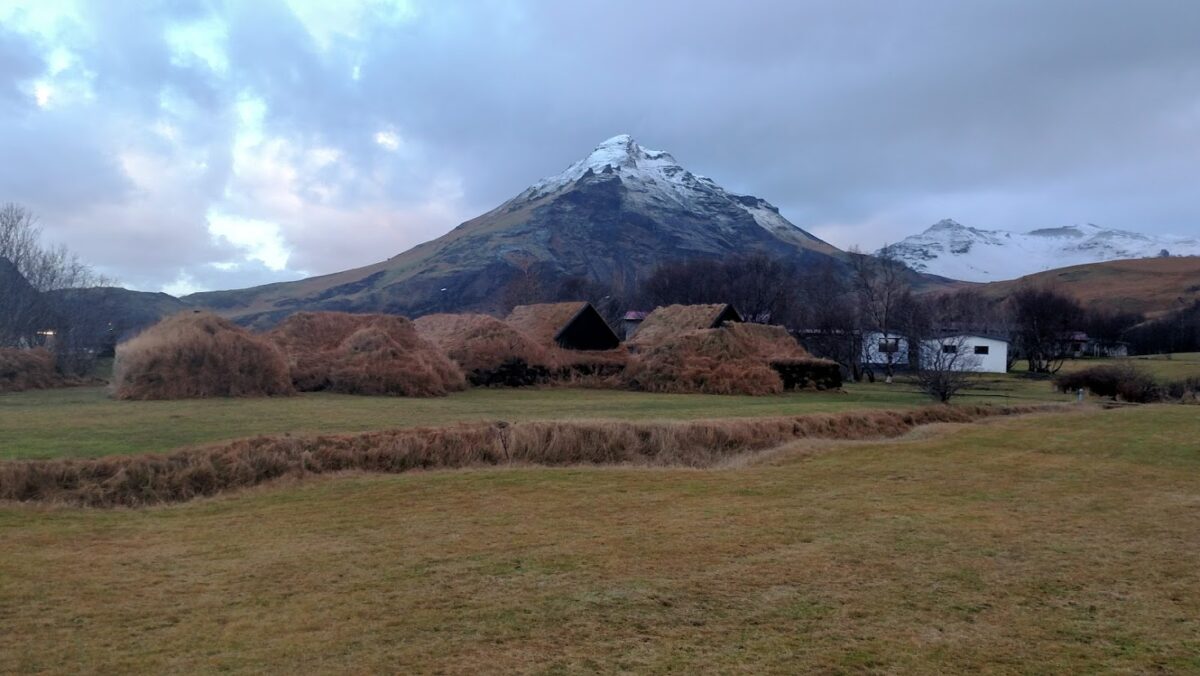
Iceland has always been a dream destination for many, and it’s easy to see why. While the capital city, Reykjavik, and the famous Golden Circle often get the spotlight, the rural side of Iceland holds an untouched magic that’s hard to describe.
Picture a place where towering glaciers meet black sand beaches, villages hum with centuries-old traditions, and the sky bursts into color during the Northern Lights. For us, rural Iceland was not just another trip; it was an unforgettable journey into a world like no other.
We traveled there from Boston 9 years ago via a Triple-A group. We want to return to the paradise island in the coming years.
The Allure of Rural East Iceland
Rural Iceland feels like stepping into a storybook. The natural world takes center stage, and human life flows quietly alongside it. It doesn’t get more perfect than this for anyone seeking inspiration, tranquility, or fresh air.
The Black Sand Beach of Iceland
Reynisfjara, the black sand beach on Iceland’s South Coast, is famous for its dark shore and crashing surf. We visited in December and caught the sunset around 4 pm, since the sun doesn’t rise until about 10 am.
Still, the beauty comes with risk, because sneaker waves can rush up fast and far. During our trip, we watched a tourist nearly get pulled into the water.
Also, since our 2016 visit, parts of the beach have receded as the ocean continues to erode the sand.
Breathtaking Natural Landscapes
Rural Iceland is nature at its most dramatic. From the thundering Skógafoss waterfall to the glittering icebergs of Jökulsárlón Glacier Lagoon, every view is a showstopper. The country’s fjords carve deep, silent paths into the coast, wrapped in mist and mystery.
Some volcanoes seem to rise straight from the earth, reminding you of Iceland’s fiery core. Whether you’re an adventure seeker or a casual traveler, the landscapes feel like they belong on another planet.
For photographers, Iceland is a goldmine. Every turn offers a scene worth framing, whether the shimmering auroras dancing across the night sky or the endless fields of moss-covered lava. No wonder travelers often leave feeling they’ve barely scratched the surface.

The Unique Icelandic Culture
Beyond the landscapes, rural Iceland is a window into traditions that have stood the test of time. Locals in the villages still speak Icelandic, a language that’s barely changed since the Viking Age.
Storytelling runs in their blood, with sagas and folklore about trolls, elves, and hidden people woven into everyday life. If you want to live there, you must speak their language, and it is not easy to learn.
Cultural gems like turf-roof houses and hand-knitted Lopapeysa sweaters offer a glimpse into Iceland’s past. Festivals, like the annual Þorrablót, celebrate Icelandic heritage with traditional foods and music. It’s a culture that’s deeply tuned to nature yet fiercely individualistic and proud.
Peaceful Escape from Urban Life
If you’re used to the noise of a big city, rural Iceland is the perfect antidote. The silence here is all-encompassing, broken only by the wind or the occasional call of seabirds. Without traffic, skyscrapers, or the demands of modern life, except for its city, it’s a place to breathe.
Staying in rural areas also means fewer crowds. You can explore hidden trails, stand by waterfalls with no one else in sight, or sit in the stillness of a midnight sun and feel at peace.
It’s not just a break from urban life; it’s a chance to reconnect with what matters.
Our Lifetime Trip to Rural Iceland
When planning our trip, we were drawn to Iceland’s rugged beauty. But what indeed won us over was the promise of stillness and authenticity.
Rural Iceland was the perfect destination to escape, explore, and experience something unique. The little town we stayed in had fewer than 100 people.
Choosing Rural Iceland for a Travel Adventure
We’d read about Iceland’s natural wonders but wanted more than just sightseeing. Exploring quiet villages, remote trails, and otherworldly landscapes aligned perfectly with our travel goals. We booked a route that took us beyond the usual tourist paths, focusing on the countryside.
Choosing rural Iceland wasn’t without its challenges. The unpredictable weather meant careful planning, but it was worth every effort. We wanted a trip and an adventure—and rural Iceland delivered.
Memorable Experiences and Landmarks
Our journey was packed with highlights. Standing beside the ice-blue waters of Jökulsárlón Glacier Lagoon felt like being inside a postcard. We saw the trails of Þórsmörk, a valley often called the “Valley of the Gods,” surrounded by raw, untouched beauty.
The Snaefellsnes Peninsula was another highlight. It’s known as “Iceland in Miniature” because it’s home to glaciers, volcanic peaks, and dramatic coastlines. We saw the base of Kirkjufell, a mountain so perfect it doesn’t feel real. Each day, Iceland gave us sights and moments we’ll never forget.

Immersing in Local Community Life
One of the best parts of our trip was connecting with the locals. In a small fishing village, we tried hákarl (fermented shark) and drank Brennivín, Iceland’s signature schnapps, as part of a local celebration.
Despite being strangers, we were welcomed with open arms and shared laughter and stories over a meal. Most of the food was served cold, and the water tasted the best we’ve ever had.
Their deep connection to the land and sea was humbling. It wasn’t just a community but a way of life rooted in respect for nature and tradition. We felt we were part of it for a few moments, too.
Travel Tips for Visiting Iceland
If you’re considering your adventure, here are some tips to make the most of your trip.
Best Time to Visit Rural Areas
Summer (June to August) is perfect for long hikes and the midnight sun, with nearly 24 hours of daylight. For winter travelers, late October through March is ideal for chasing the Northern Lights.
Remember that winter also brings harsher weather and shorter days, so planning is essential. We were then in late December 9 years ago.
Packing Essentials for Icelandic Weather
Icelandic weather is unpredictable, especially in rural areas. Layers are your best friend. Pack a waterproof jacket, thermal base layers, sturdy hiking boots, and gloves. Don’t forget a good hat—it might save you from the wind. A camera is also necessary since you’ll want to capture every moment.
Navigating Rural Iceland
Renting a 4×4 is essential for exploring rural Iceland, especially in winter when roads can get icy. Maps and GPS are helpful, but cell service can be spotty in remote areas, so prepare accordingly.
Check the weather and road conditions daily, as they can change without warning.
The Lasting Impact of Rural Iceland
Our trip to rural Iceland wasn’t just a vacation; it was life-changing. Beyond the beauty, it left us with a deeper appreciation for nature.
Lessons from Iceland’s Natural Beauty
Iceland’s untouched landscapes reminded us how fragile nature can be. We left with thoughts of returning to see the rest of the country to the north.
Rural Iceland doesn’t need flashy attractions. It’s a reminder that nature is priceless in its purest form. Standing on the glaciers makes you wonder how many others have come before us to view this beauty.
Cherished Memories to Last a Lifetime
The memories we brought home, such as hearing the roar of waterfalls, the sound of Icelandic water, and sharing smiles with welcoming locals, will stay with us forever. Rural Iceland isn’t just a place you visit; it becomes a part of you.
However, we didn’t see the northern lights in Iceland as we boarded a bus to go out in the dark to view them. However, during the total eclipse in April 2024 in Maine, we saw the Northern lights for a few nights.
Conclusion: Planning Your Icelandic Trip
Rural Iceland is more than a travel destination; it’s a paradise for those who cherish natural beauty, culture, and peace. Whether you seek adventure or a quiet escape, this corner of the world delivers in ways you can’t imagine until you’re there.
If you’ve been dreaming of a trip that feels like stepping into another world, rural Iceland might be your paradise. It’s not too expensive, and a flight from Boston takes 5 hours.
Frequently Asked Questions About Rural Iceland
What does “rural Iceland” feel like compared to Reykjavík?
Rural Iceland feels quieter, wider, and more weather-driven than Reykjavík. Outside the capital area, towns get smaller fast, services spread out, and your day often revolves around road conditions, daylight, and the next place to refuel or eat.
You’ll still find strong infrastructure for visitors, but it’s different. Instead of big clusters of restaurants and shops, you’re looking at guesthouses, small grocery stores, local pools, and one or two cafés serving a whole region. That’s part of the appeal, because the views and the pace do a lot of the “entertainment” work.
Nature is also closer. In many areas, you’re minutes from waterfalls, black-sand beaches, lava fields, fjords, or hiking trails, with far fewer people around than you’d see on the main stops near Reykjavík.
If you want dark skies, silence, and room to breathe, rural Iceland delivers, but you’ll need to plan a bit more than you would in the city.
Where should I go in rural Iceland if I only have a week?
A week is enough time to get a real taste of rural Iceland, but you’ll have a better trip if you choose one or two regions instead of trying to circle the whole country at a sprint.
Many travelers start with the South Coast, because it’s packed with big sights (waterfalls, black-sand beaches, glacier lagoons) and has steady accommodation options. Another strong choice is the Snæfellsnes Peninsula, often nicknamed “little Iceland” because it packs several landscapes into one area (coast, mountains, lava fields). If you want a slower, more remote feel, the Eastfjords are known for winding coastal roads and fishing villages.
The Highlands are a different category. Places like Landmannalaugar are stunning, but access depends on road type and season, and you may need the right vehicle and a flexible plan.
If you’re building an itinerary, keep drive times realistic, add a buffer for weather, and pick overnight bases that reduce backtracking.
Do I need a 4×4 to explore rural Iceland, and what are F-roads?
You don’t always need a 4×4 for rural Iceland, but you do need one for Iceland’s F-roads. F-roads are mountain routes that often involve rough gravel, steep grades, and sometimes river crossings. They lead into many Highland areas, and regular cars are not suitable for them.
For the Ring Road and many popular rural regions (including several coastal areas), a standard car can be fine in good conditions. Still, a 4×4 can make the trip less stressful if you expect gravel stretches, wind-prone routes, or shoulder-season weather.
What kinds of places can I stay in rural Iceland, and how far ahead should I book?
Rural Iceland has a solid range of stays, but the style leans practical and cozy. You’ll commonly see guesthouses, small hotels, cabins, and farm stays, especially outside the biggest towns. Farm stays are popular because they put you close to landscapes you came for, and they often feel more personal than a standard hotel.
Booking lead time depends on the season and the location. In summer (and in peak-demand areas), places can fill up early, especially in smaller regions with fewer rooms. Remote or “once-in-a-lifetime” spots also book out because there simply aren’t many alternatives nearby. If your schedule is flexible, keep one or two nights open for weather shifts, but don’t assume you can always find last-minute rooms in tiny villages.

Lisa moved from Southern New England to the rural mountains of Maine in 2020 with her husband. Drawing from her hands-on experience with slower-paced rural living, she shares the beauty, honest realities, and simple pleasures of life in the Maine woods, along with their rural travels across the United States and abroad.