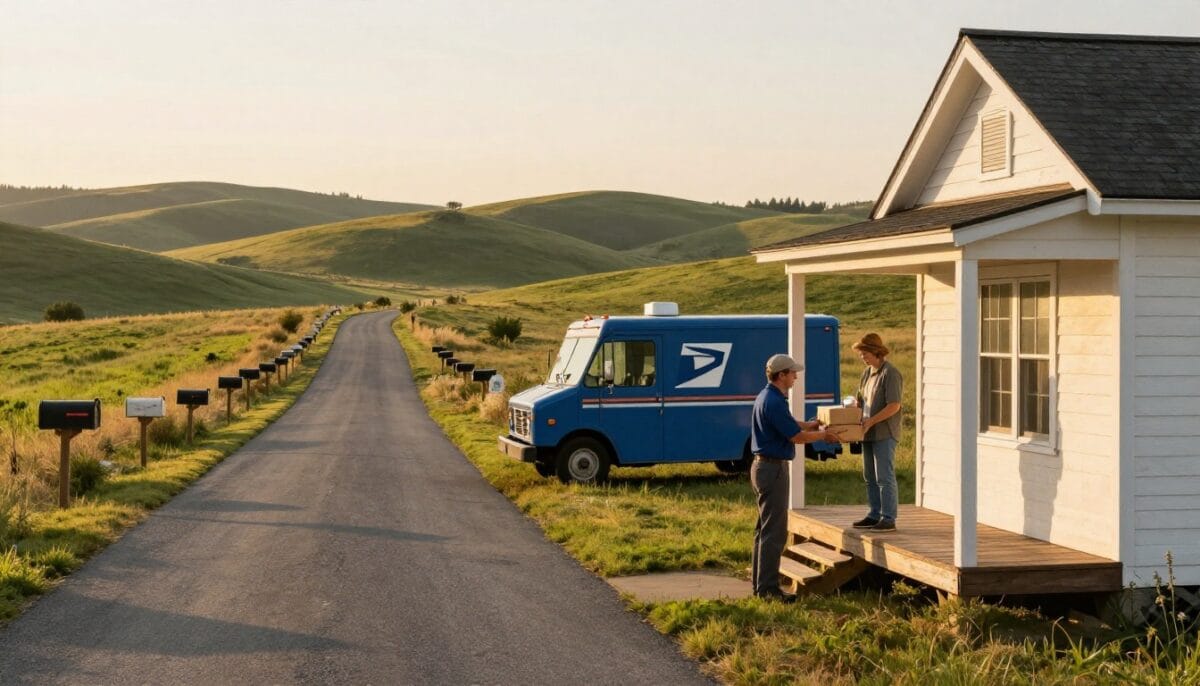
You notice mail more when you live in the country. Not because it is exciting, but because rural mail delivery touches a lot more of daily life than most people expect.
A bill, a prescription refill, a ballot, a tax notice, business paperwork, or a package you need for the house; it all rides on the United States Postal Service system. If you are used to city service, the logistics of rural delivery can be a surprise.
Out here, distance, road conditions, route limits, and local processing times all matter. That is where the little problems start.
Key Takeaways
- Distance and Conditions: Rural mail delivery is influenced by terrain, road quality, and weather, making it less predictable than suburban or urban routes.
- Planning is Essential: Because remote areas may experience longer delivery times and slower processing, it is important to build in extra buffer time for bills, medication refills, and time-sensitive documents.
- Operational Realities: Factors such as local post office hours, proximity to regional processing centers, and seasonal road conditions (like mud or snow) directly affect the consistency of your daily mail.
- Proactive Maintenance: Keeping mailboxes accessible, clearly labeled, and in good condition helps ensure that rural carriers can provide safe and efficient service to your property.
The History and Reality of Rural Mail Delivery
Country mail is not city mail with prettier scenery. The roads are longer, the stops are farther apart, and some homes do not get delivery at all.
In parts of rural Maine, including where I live, we do not get mail at the house. We drive to the post office and check a PO Box. That is normal in many rural places, but newcomers often do not see it coming.
Rural Free Delivery began as experimental routes in 1896 under Postmaster General John Wanamaker. Before this initiative by the post office department, farmers often used horse-drawn vehicles to travel long distances to town to collect their correspondence.
Rural Free Delivery eventually transformed how isolated communities connected with the rest of the nation.
Rural Carrier Routes
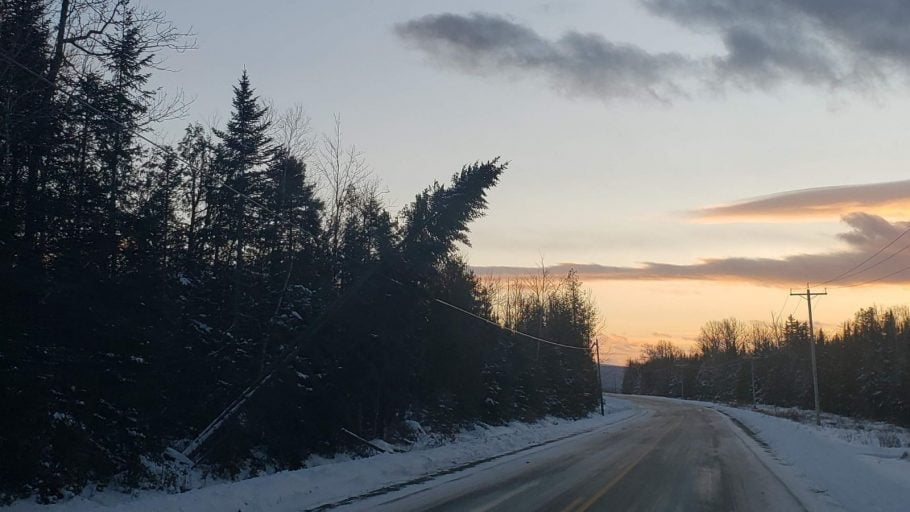
A carrier in town can move down one street and serve dozens of homes fast. A rural letter carrier on a rural route may drive long stretches between mailboxes, turn around on narrow roads, and deal with washed-out shoulders, mud season, or snowbanks. The work is different before the first letter is even sorted.
The United States Postal Service has acknowledged that rural stops involve longer distances between delivery points and more challenging operating conditions, as shown in the USPS OIG’s review of rural delivery challenges. Providing last-mile delivery in the countryside is a complex task that historically spurred road improvement projects, such as those mandated by the Federal Aid Road Act, specifically to support these rural routes. Compared to suburban delivery, where high density makes the process routine, rural logistics require far more effort.
That does not mean the system is broken. It means the system is carrying a heavier load over more ground. Mail in the country runs on distance, weather, and timing, not convenience.
That is the part people do not hear enough. If your mailbox is half a mile down a rough road, or your road is hard to access after a storm, the route does not magically work as it does in a suburban neighborhood. It works when the road, the truck, the route, and the clock all line up.
What to expect when your address is far from town
If your address is remote, you may get mail later in the day. Pickups can feel less predictable, too. Even when your letter reaches the local post office, it does not always move quickly after collection.
We have a post office box in our rural town. The bigger lockers are for packages so you don’t have to go to the front desk for pick-up.
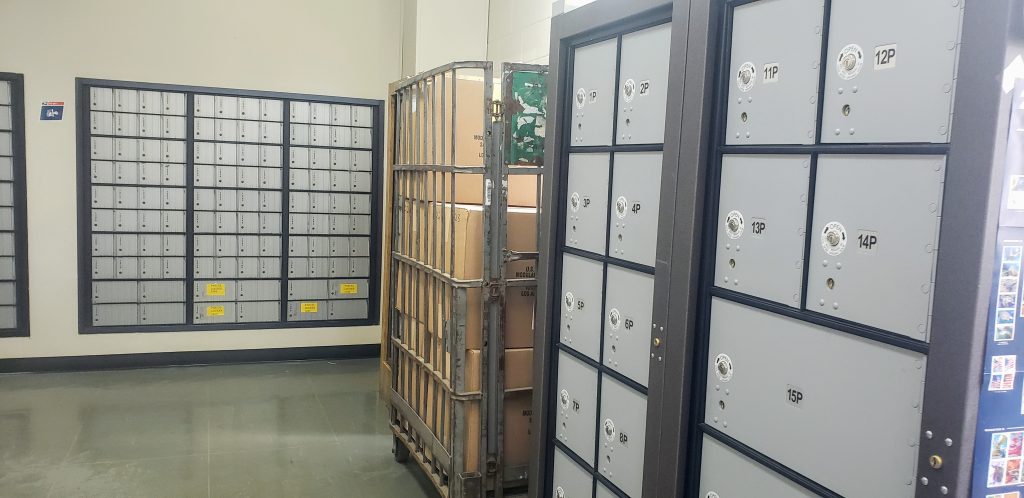
Recent postal changes have made that more noticeable in some rural areas. Some post offices more than 50 miles from a regional processing center no longer receive evening collections, which can delay bills, ballots, and other important mail.
That does not mean every piece of mail is late. It means patience and planning matter more than many people expect. If you live far from town, you cannot treat the mailbox like a same-day errand.
How delays touch bills, ballots, medicine, and small businesses
When you live in a place with fewer stores, fewer offices, and weaker internet, the mail keeps a lot of things moving. It is not only about birthday cards and catalogs. It is about paperwork and deadlines. It is about the stuff that causes real trouble when it shows up late.
In many ways, the modern need for physical mail mirrors the historical importance of the Rural Free Delivery service, which was designed to unify the country by bridging the distance between remote homes and the rest of the world. Today, that connection is even more vital due to the information gap faced by those without reliable broadband access.
When a late letter turns into a bigger problem
One late letter can throw off a whole week. A utility bill arrives after the due date. A property tax notice lands with less time than you thought. A form that needed a signature sits in your box while you are waiting for road plowing or trying to get into town.
Then the ripple starts. You pay a late fee. You miss a deadline. You spend your afternoon on the phone explaining that the letter did not arrive in time. None of that feels dramatic until it happens to you.
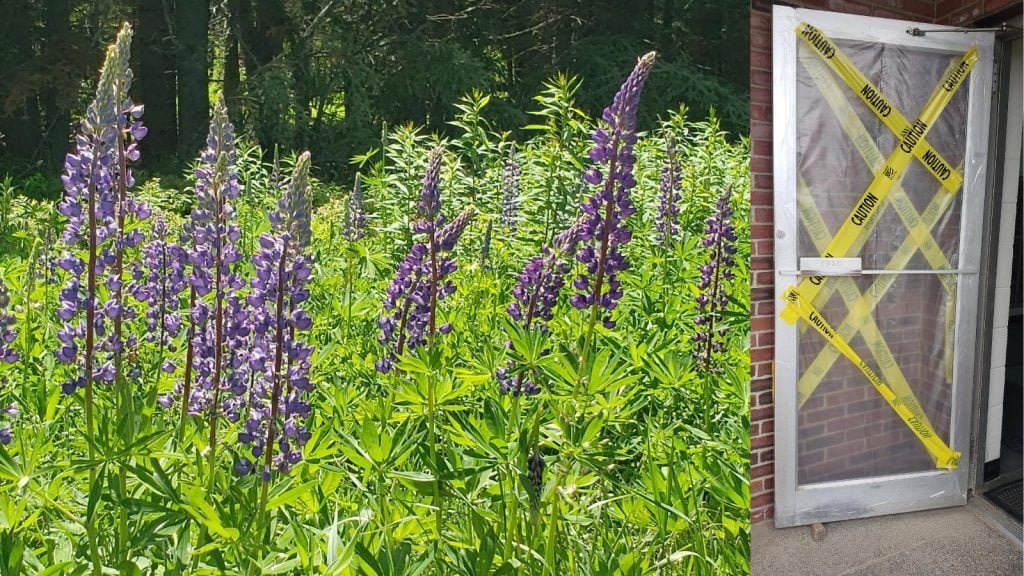
Rural life has a way of stacking errands. If you already drive farther for groceries, gas, banking, or medical care, a mail delay can turn one missed piece of paper into three extra trips and a pile of stress. That is especially true for older residents, people without steady broadband, and anyone still paying bills by mail because online options are not reliable enough.
Why prescriptions and business shipments matter so much
Medicine is where slow mail stops being annoying and starts feeling serious. One year, during flooding, I missed my prescription drug shipments and ended up sick for a month without the necessary medication. That was not a small inconvenience. It messed with my energy, my body, and my ability to keep up with normal life.
Many rural households rely on mailed prescriptions because the nearest pharmacy may be far away, operate limited hours, or not carry what they need. Rural customers worry about that for good reason, and this reporting on rural customers’ concerns captures the problem well. When there is no backup pharmacy around the corner, dependable delivery matters more.
Small businesses feel it too. The rise of ecommerce has significantly increased the volume of parcel post moving through rural routes, often creating logistical hurdles for home-based entrepreneurs. Whether you are waiting on checks, permits, invoices, or seed orders, the historic efficiency expected from the post office department is now tested by the sheer scale of modern parcel post.
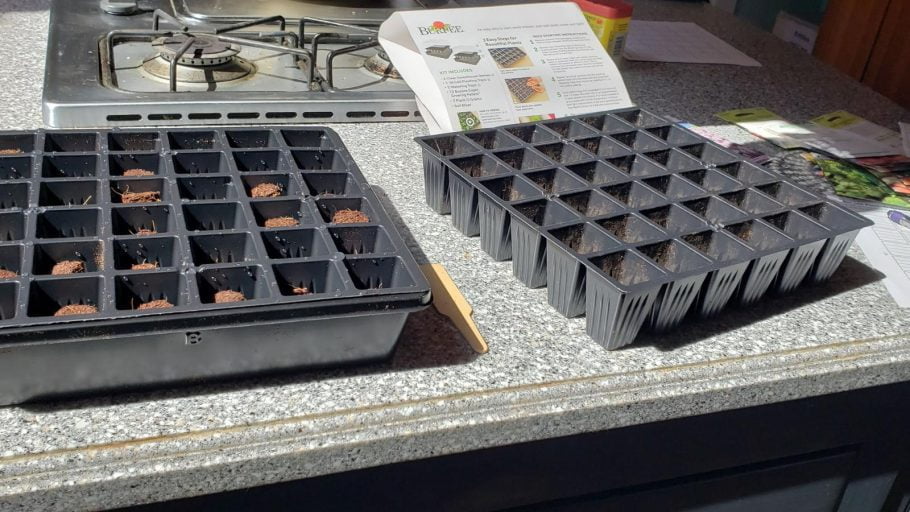
In a rural area, one delayed envelope or shipment can stall income. You do not always have a second option nearby, and overnight fixes are not always realistic.
Why mail still matters for rural voters
Voting is another place where timing matters. In some rural areas, polling places are farther away, town offices keep limited hours, and the option to vote by mail plays a bigger role in ensuring participation.
That includes absentee ballots, registration notices, local election reminders, and town paperwork. If the mail runs slow, access gets tighter. Not impossible, but tighter. That is one reason it helps to use other local information sources too. If you are new to country living, staying informed in small towns can help you catch deadline changes, clerk notices, and community updates before they become a last-minute scramble.
Mail still matters because distance still matters. The farther daily life is spread out, the more one delayed envelope can affect something bigger.
The habits that make rural mail delivery go more smoothly
You cannot control every delay, and no one out here needs another lecture about planning better. Still, a few habits make rural mail service less frustrating. Small steps help more than people think.
Simple things that help your mail arrive on time
Start with the obvious, because the obvious often gets missed. Make sure your address is written correctly every time. If you use a PO Box, use the PO Box address rather than your physical address, unless the sender uses a carrier that specifically requires a physical address.
To keep your service consistent, follow these maintenance tips:
- Keep your standardized mailboxes clear of snow and debris.
- Ensure house numbers are clearly visible from the road so rural letter carriers can easily identify your location.
- Maintain clear road access to your property to avoid delivery skips during bad weather.
- Use cluster boxes where required by the United States Postal Service to ensure secure and efficient delivery.
How to Request New Service for Rural Mail Delivery
If you are new to the area or have questions about your delivery method, contact your local postmaster. They are the only ones who can verify your eligibility for specific rural routes.
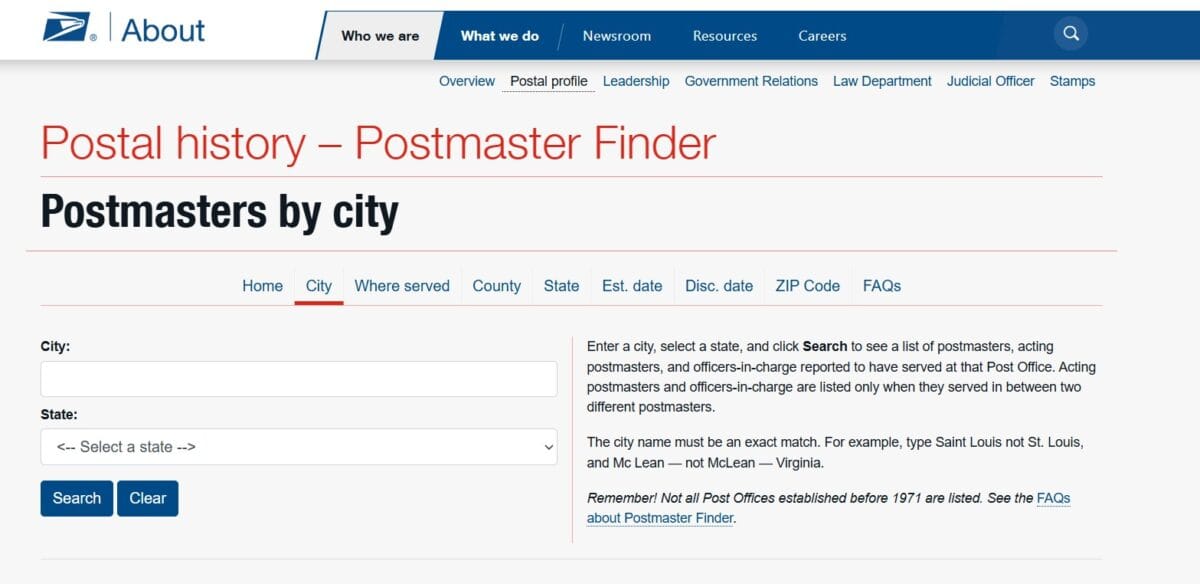
They will also inform you about the current requirements for standardized mailboxes or whether you are required to use centralized cluster boxes to receive your mail.
How to plan when service is less predictable
The best habit is simple: do not wait until the last minute. Mail bills early and send forms with plenty of time to spare. Refill prescriptions with a buffer, not when you have two pills left. If tracking is available, use it.
It also helps to think in seasons. Mud season, flooding, heavy snow, and holiday volume can all slow things down. Some areas are still served by star routes, which are private contracts that operate under their own schedules. If you know your area has a rough stretch every spring or winter, build that into your timing.
Understanding your local office also helps. Historically, many small offices were run by fourth-class postmasters, who were often considered patronage positions. This legacy explains why some tiny offices still have limited hours today.
While you cannot change postal rates or official delivery policies, you can adjust your own habits. Rural living gets easier when you stop assuming every week will run the same, and when you take the time to learn the specific quirks of your local post office.
Frequently Asked Questions
Why is my mail delivery so much later than it was when I lived in the city?
Rural routes are significantly longer, requiring carriers to cover more ground with fewer delivery points compared to high-density city blocks. Factors like poor road conditions, distance between stops, and the total volume of the route naturally push delivery times later into the day.
What should I do if I am not receiving mail at my physical address?
It is common in many rural areas to use a PO Box at the local post office rather than have deliveries delivered to your door. You should contact your local postmaster to confirm the delivery policy for your specific address and to see if you are eligible for, or required to use, a centralized cluster box.
How can I make sure my medication arrives on time despite rural delivery delays?
Never wait until your supply is nearly empty to request a refill, especially if you live in an area prone to severe weather or seasonal road issues. Plan for a buffer of at least one week to account for potential postal delays and ensure your pharmacy has your most current, accurate mailing address.
Why do my bills or tax documents seem to arrive after the due date?
Rural routes often experience longer transit times due to the distance from regional processing centers and localized collection schedules. To avoid late fees, aim to mail time-sensitive payments well in advance of the deadline or, if possible, utilize reliable online payment portals.
Rural mail delivery is a small thing until it isn’t
Mail in the country looks simple from the outside. A box, a road, a truck, done. But the real story is distance, timing, and the fact that one slow delivery can spill into bills, health, voting, work, and everyday planning.
Today, the post office department continues to operate under a universal service obligation, a foundational promise that ensures every address is reached regardless of cost. Once you understand that rural mail delivery is a complex, essential infrastructure, you stop treating it like a background service and start treating it like the lifeline it truly is.
That is when the surprises get fewer, and life gets a little easier with the United States Postal Service on your side. If you moved to a rural area, were you surprised by the rural mail delivery there? I’d love to hear your experience in the comments below.

Lisa moved from Southern New England to the rural mountains of Maine in 2020 with her husband. Drawing from her hands-on experience with slower-paced rural living, she shares the beauty, honest realities, and simple pleasures of life in the Maine woods, along with their rural travels across the United States and abroad.