If you are new to mountain living in Maine, receiving a tornado watch from the National Weather Service can sound almost wrong. You expect snow, mud season, and wind in the pines, not an alert that makes you think of the Midwest.
But tornado watches in the mountains happen, and they can feel extra jarring because the hills seem like a shield. They are not. Once you understand why these alerts occur, you will feel a lot less blindsided by any form of severe weather.
Key Tornado Takeaways
- A tornado watch indicates that atmospheric conditions are favorable for severe storms and potential tornadoes, regardless of mountainous terrain.
- Mountains do not shield you from severe weather; storms can move over or around hills, and terrain can often make these storms more difficult to track or interpret visually.
- A watch means “get ready,” while a warning means “take cover”; stay alert by monitoring weather apps and NOAA radios when an alert is issued.
- Rural residents should prioritize preparedness by identifying a safe shelter, stocking emergency supplies, and planning for potential power outages or blocked roads.
Why tornado watches still happen in the mountains of rural Maine
A tornado watch is issued when conditions are favorable for severe thunderstorms to develop, which may eventually produce tornadoes across a wide area. This is not about one specific hill or a single tiny town. If the air is warm, humid, and unstable while winds are lining up just right, a watch can include ridges, valleys, lakes, farms, and deep-woods roads all at once.
That is the part that surprises people. Mountains can change a storm, but they do not get to veto it.
What a tornado watch really means for your area
It helps to understand the terminology used by the National Weather Service. A tornado watch means that atmospheric conditions are conducive to the development of tornadoes, so you should remain alert. Before a watch is finalized, the Storm Prediction Center often issues mesoscale discussions to highlight developing areas of concern. This usually follows a hazardous weather outlook, which serves as your early-stage notification that severe weather could be possible in the coming days.
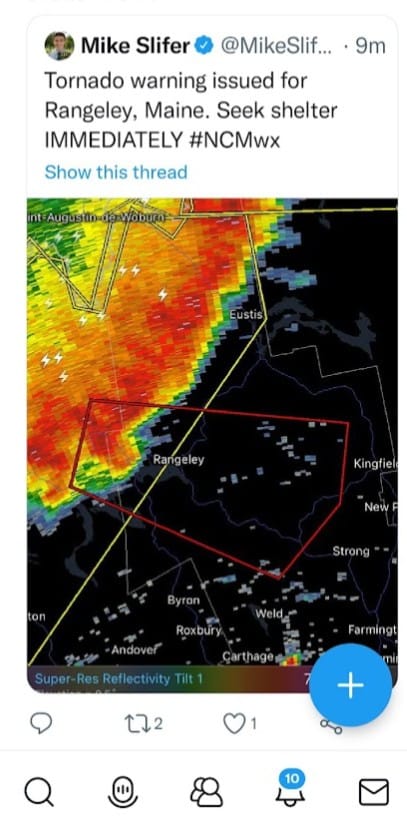
A tornado warning is the sharper, more urgent message. That means a tornado has been sighted or is strongly indicated by radar, and it is time to move to shelter.
Watch means get ready. Warning means take cover now.
If you remember one thing, remember that. A watch is your heads-up. It is the time to charge your phone, check the radar, and stop assuming you will see how it looks later.
Why weather systems do not stop at hills and ridges
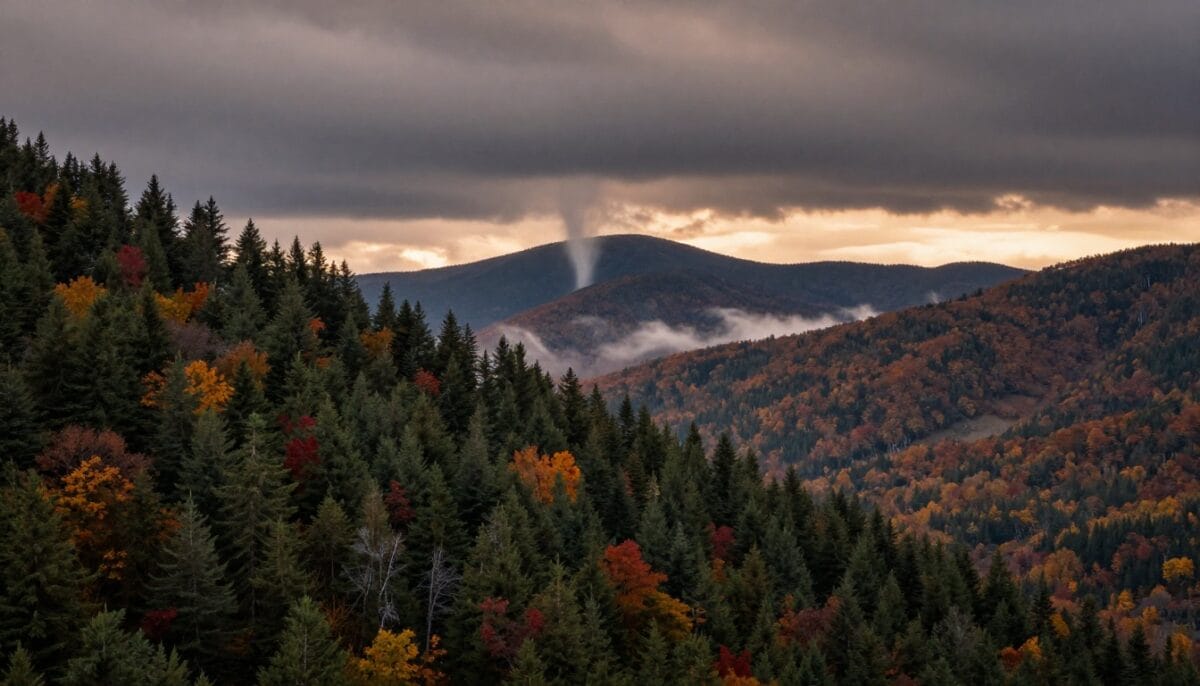
Storms do not hit a mountain and politely turn around. They move over and around the terrain, and sometimes the terrain makes them messier or harder to read.
Because Doppler radar can sometimes be obstructed by rugged terrain, it is even more important to take these alerts seriously, regardless of your elevation. Even if we are not in the heart of tornado season, these systems still have the same broad weather patterns feeding them, even if your view is blocked by trees.
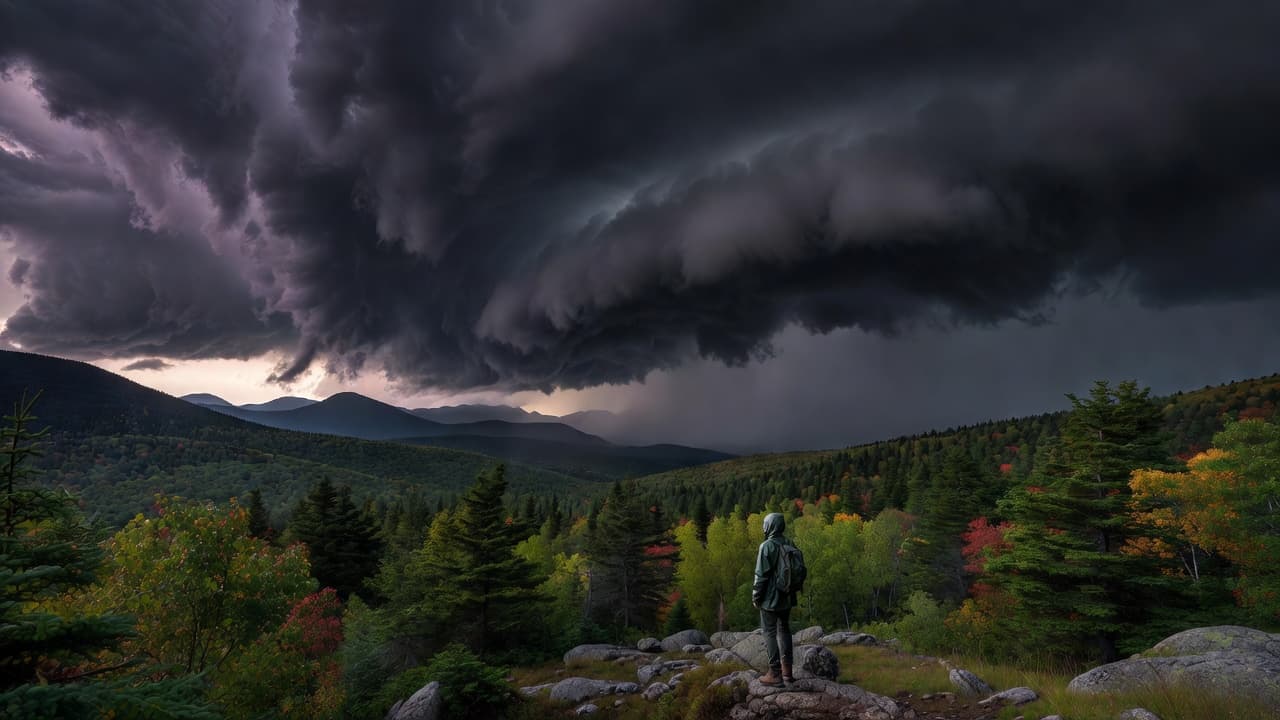
Rural Maine does not need flat land to face a tornado risk. It only needs the right ingredients on the right day.
Warm, humid air and strong winds can create the setup
When warm, moist air near the ground meets cooler air higher up, the atmosphere can get jumpy fast. Add winds that change speed or direction as you go higher, and thunderstorms can start to rotate.
That change in wind with height is called wind shear. You do not need to memorize the term. You only need to know it can help a storm organize and spin.
The mountains may change the storm, but not eliminate the danger
Hills, ridges, and valleys can bend wind flow and change how a storm looks. A storm may weaken in one spot, then tighten up or push stronger winds elsewhere.
Terrain also makes storms harder to judge by sight. Trees block your view. Low clouds hang on ridges. Valleys can make sound bounce around. If you wait for a perfect movie scene funnel, you may wait too long.
Why rural Maine still gets severe weather alerts
When a larger storm system sweeps across New England, inland Maine can end up under the same watch as lower, flatter places. That includes mountain towns, older farmhouses, cabins, and logging roads.
So yes, rural Maine still gets severe weather alerts. The state is not outside the map. It is simply less famous for this kind of weather, which makes the alert feel stranger than it should.
What you should do when a tornado watch is issued in the mountains
A watch is the time to get organized. That is a necessity when you live far from town, lose cell service on a remote stretch of road, or know one fallen tree can block your entire driveway.
Create a tornado preparedness plan
Do not rely on a single alert source. Use wireless emergency alerts on your smartphone, a reliable weather app, and a NOAA weather radio to ensure you receive updates even if cellular networks fail.
Pick your shelter spot before storms roll in. A basement is the safest option. If you do not have one, head to the lowest floor and choose a small interior windowless room away from exterior walls and glass. The Red Cross tornado safety guide is a helpful resource if you want a plain, reliable checklist.
Prepare for power outages, downed trees, and road delays
In mountain country, the tornado itself is not your only concern. Power can go out quickly, and intense wind gusts often cause tree damage that blocks access roads.
Keep your emergency preparedness kit stocked with water, flashlights, sturdy shoes, medication, and backup charging supplies. If your driveway is long or your house is located on a dirt road, plan as if you might need to be self-sufficient for an extended period.
Know when to move to shelter right away
If a watch turns into a warning, or if the National Weather Service detects a life-threatening situation, stop what you are doing and seek shelter immediately. The same protocol applies if you spot a funnel cloud, see debris blowing in the air, or hear a loud roaring sound that does not fit the typical storm pattern.
Do not go outside to confirm the weather. You will not get a prize for spotting the storm yourself. Get to your pre-planned shelter, protect your head, and stay there until the danger passes.
Moving to the mountains? Here is how to feel ready instead of rattled
The surprise is often the hardest part. Once you accept that mountain living still comes with severe weather, the whole thing feels more manageable.
Pick a safer home layout when you can
If you are house hunting, think past the view. A basement, a small interior room, or easy access to a sturdy lowest-floor space matters. You should also consider the topography of your lot. Be aware that excessive rainfall can turn local streams into hazards, so avoid settling in low-lying areas where water may collect during a sudden storm or a flash flood warning.
That does not mean a rural cabin is a bad choice. It simply means you should know where you would go before your first big storm, not during it.
Learn the local weather habits before the first big storm season
Watch how fast weather changes in the hills and valleys around you. Whether you are familiar with the Blue Ridge Mountains or the peaks of Maine, terrain always dictates how you should take action. Follow local forecasts to stay informed. Notice which roads flood, which ridges stay windy, and where your phone loses service.
If you are moving with kids, these tornado tips for parents can help you turn the plan into a routine instead of fear. The more familiar local weather patterns become, the less rattled you will feel when alerts pop up.
Frequently Asked Questions: Tornado watches in the Mountains
Does mountain terrain protect my home from tornadoes?
No, mountains do not act as a shield against tornadoes. Storm systems can easily move over or around peaks and ridges, and the complex terrain can sometimes make severe weather even harder to predict or see coming.
What is the difference between a tornado watch and a tornado warning?
A tornado watch means that conditions are right for tornadoes to develop, serving as a signal to stay alert and prepare. A tornado warning is an urgent notice that a tornado has been sighted or indicated on radar, requiring you to seek shelter immediately.
Should I go outside to check the storm when I get an alert?
Never go outside to verify the weather conditions yourself. If a watch is issued, stay informed via official channels, and if a warning occurs, move to your pre-planned safe area immediately without waiting to see the storm.
You don’t need to panic
A tornado watch in rural Maine’s mountains can feel strange the first time you see it. That is normal. What is not helpful is assuming the terrain makes you safe.
Mountain living still requires consistent weather awareness, reliable emergency alerts, and a simple plan you can follow fast. Staying updated on severe weather trends is just another part of being a responsible resident. Once you have your preparations in place, a tornado watch becomes actionable information rather than a cause for shock.
Have you ever experienced a tornado in the mountains? I’d love to hear about it in the comments below.
Disclosure: Some content on this Rural Area Life blog has been created with AI assistance and verified by me. Some links are affiliate links, from which I may earn a commission from qualifying purchases at no additional cost to you.

Lisa moved from Southern New England to the rural mountains of Maine in 2020 with her husband. Drawing from her hands-on experience with slower-paced rural living, she shares the beauty, honest realities, and simple pleasures of life in the Maine woods, along with their rural travels across the United States and abroad.