Pretty flowers are easy to buy. Getting them through the unpredictable spring and summer flower season in Maine is the hard part.
If you want a yard that looks good without constant replanting, start with varieties that can handle cold winters, short summers, and mixed-up soil. That matters even more in the rural western mountains of Maine, where nights stay cooler and the growing season runs short.
The best Maine flowers are the ones that fit your sun, your soil (which is not easy here!), and the way you actually garden.
Key Things To Think About
- Prioritize Climate Compatibility: Success in Maine depends on matching plants to your specific USDA zone and local frost dates, rather than relying solely on plant label recommendations.
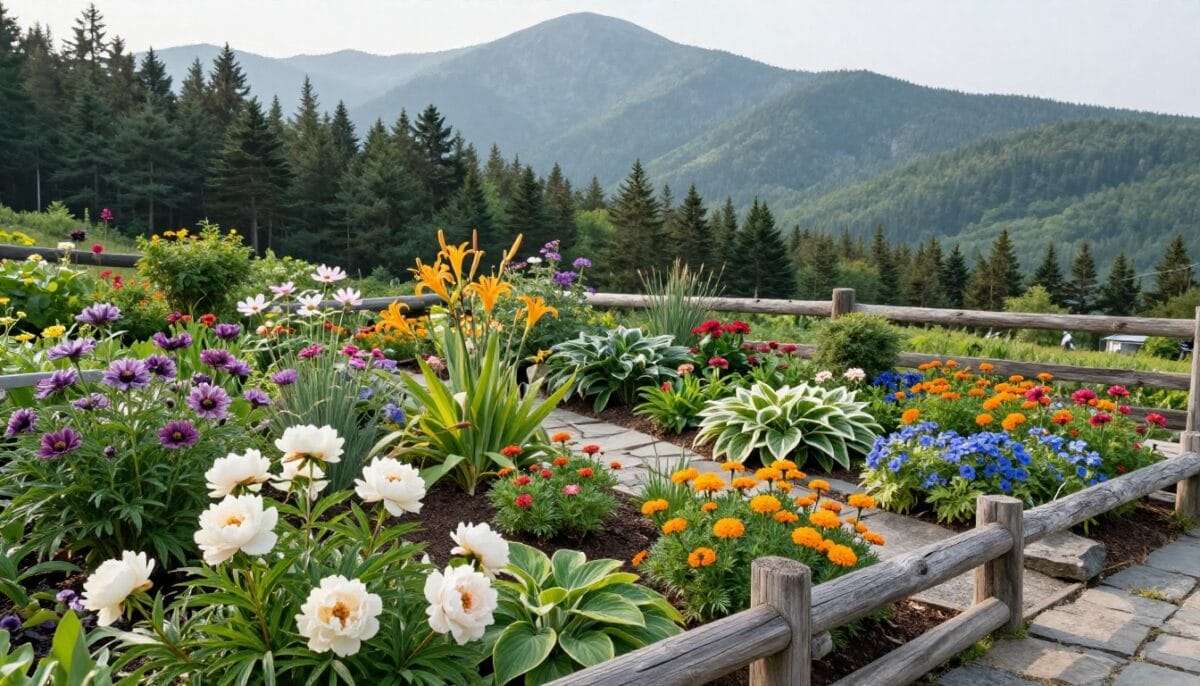
- Choose Perennials for Reliability: Focus on staples like peonies, daylilies, and hostas, which are adapted to survive harsh winters and provide multi-year growth with minimal maintenance.
- Leverage Annuals for Instant Impact: Use fast-growing annuals like marigolds, zinnias, and cosmos to fill gaps and provide consistent color throughout the shorter Maine growing season.
- Incorporate Native Species: Planting regional natives like lupines, goldenrod, and asters improves garden resilience and supports local pollinators while requiring less active care.
- Design for Your Specific Site: Always assess your garden’s unique sun exposure, soil moisture, and wind conditions before purchasing, as these factors dictate plant performance more than the bloom’s attractiveness.
How Maine’s weather shapes the flowers you can grow
Plant tags can be optimistic. Maine weather usually isn’t.
Across the state, your flower choices are shaped by long winters, late frosts, and a growing season that can feel short even in a good year. In higher elevations, summers stay cooler.
Along the coast, wind can beat up tender plants. In rural inland areas, frost can hang on longer than you would expect, mirroring the rugged, unpredictable conditions found deep in the Maine woods.
That is why some flowers do well almost anywhere in Maine, while others only shine in protected spots. A sunny bed beside your house may behave nothing like an open field garden. Your yard has its own little climate, and that changes what grows best.
On our last shopping trip, I snapped a video of the pretty flowers displayed in a greenhouse at the home store. It can be hard to choose which flowers to purchase for your garden or yard.
Why zone and frost dates matter more than plant labels
USDA zones tell you how much winter cold a plant can survive. They do not tell you when your last frost will hit, how wet your soil stays, or how much wind your flowers take. If you want a Maine-specific starting point, UMaine’s hardiness zone map is worth checking before you buy anything expensive.
While many local greenhouses offer a wide variety of colorful options, it is important to remember that some varieties struggle in colder temperatures. Selecting native shrubs is often a better strategy for enduring harsh winter conditions, as these plants have adapted to the local environment over generations.
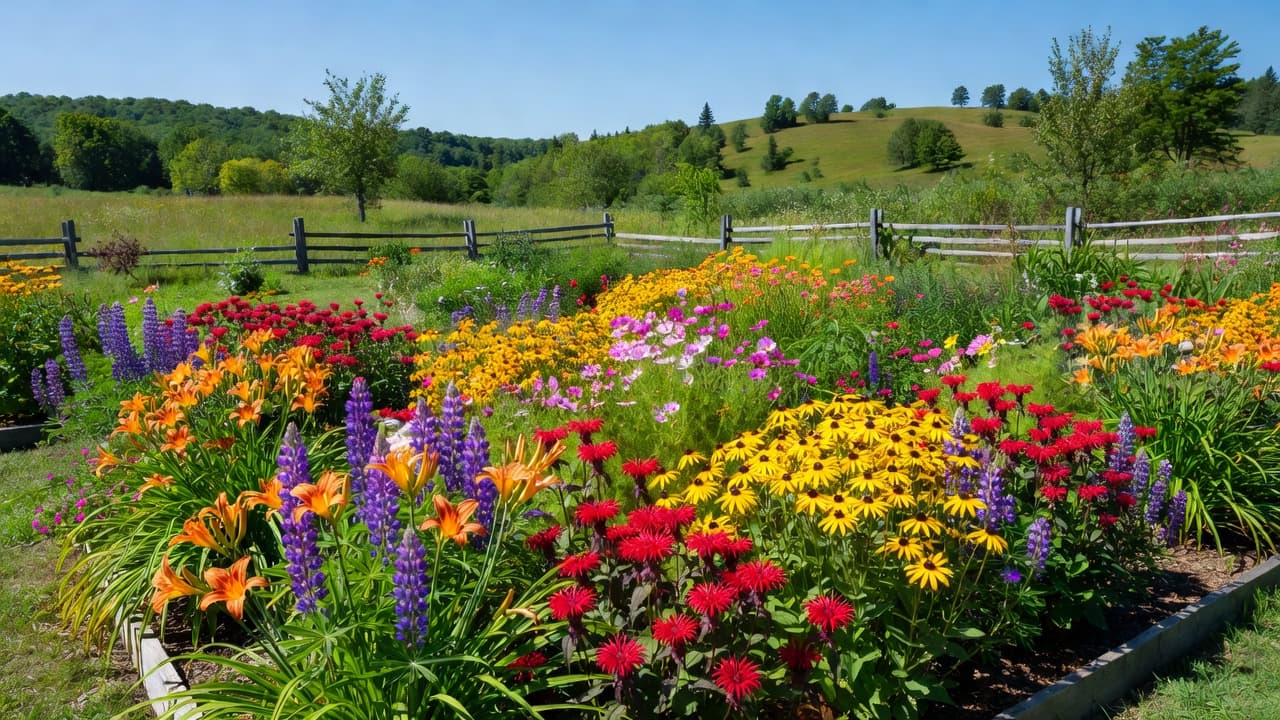
Frost dates matter just as much as soil quality. A flower can be hardy and still struggle if you plant it too early, or put it in cold, soggy ground. Timing changes bloom too. In a short season, late starters may spend more time settling in than flowering.
What changes in the rural western mountains of Maine
The western mountains push things a little harder. You get cooler nights, a shorter summer, and often more wind exposure. That means heat-loving flowers can stall out, especially if they need a long stretch of warm weather to bloom well.
Tough, cold-hardy flowers usually win there. So do plants that bloom on a reliable schedule and do not need constant care. If a flower needs perfect timing, rich soil, and hot nights, it may survive, but it won’t give you much back.
By focusing on plants that can withstand the regional climate, you ensure your garden remains a vibrant sanctuary throughout the season.
The best perennial Maine flowers for long-lasting color
If you want the least work for the most return, start with perennials. The right ones come back after winter, fill in over time, and make your garden look settled instead of temporary.
You still need to match them to the site. Sun lovers will not forgive deep shade, and shade plants will not bloom their hearts out in a dry, hot bed. But once you align your plants with the environment, perennials do a lot of the heavy lifting.
Sun-loving standouts and hardy groundcover
For sunny Maine gardens, focus on reliable bloomers that tolerate local soil conditions and temperature fluctuations. If you are shopping by cold hardiness first, browsing perennials suited to Zone 4 gardens can help you filter out tender plants fast.
- Coneflowers: A safe bet for any sunny spot, they handle cold well and keep blooming through summer once they are established.
- Black-eyed Susans: These bloom later than many early-summer perennials, helping bridge the gap when other plants fade.
- Yarrow: This is a strong pick for open, dry areas because it handles heat better than fussier flowers.
- Roses and fragrant flowers: These provide backbone in traditional gardens and offer consistent beauty throughout the season.
- Creeping phlox or thyme: These make an excellent, hardy groundcover for sunny, well-drained areas that need a low-maintenance, colorful carpet.
Peonies, daylilies, and irises for dependable beauty
These classic perennials are staples in Maine landscapes because they offer structural reliability and vibrant color.
- Peonies: These are made for gardeners who like plants with some backbone. They handle Maine winters well, live for years, and bloom with almost ridiculous generosity. They are also notably deer-resistant.
- Daylilies: These take rougher soil, dry spells, and uneven attention better than most flowering perennials. While each individual flower is short-lived, the plant keeps sending up new buds.
- Irises: These bring structure to the garden. Bearded irises prefer sun and good drainage, while Siberian irises tolerate more moisture. Both are reliable choices that do not need constant fuss.
Shade-loving plants for cooler spots
A lot of Maine yards have shade, especially near woods, old maples, or the north side of the house. That is where sun-loving flowers struggle, and these shade-loving plants step in to fill the gaps.
- Hostas: Mostly grown for their lush foliage, they fill space effectively, handle cold winters, and make darker beds look finished.
- Astilbe: These add colorful flower plumes in part shade and thrive in soil that does not dry out too quickly.
- Bleeding heart: These bloom in spring, especially in cool, sheltered spots, and are also considered deer-resistant. They often fade back once the summer heat arrives.
If you have a shady, cooler yard, these varieties save you from fighting nature all season long.
Annual flowers that brighten a short Maine growing season
Annuals provide fast color for your landscape. You plant them once; they bloom vigorously and carry a garden bed or container through the entire summer.
This speed is essential in Maine because when the growing season is short, you do not always want to wait years for a perennial to bulk up. You can find many of these vibrant varieties at your local garden center to get a head start on your planting.
Top annuals for quick, vibrant color
If you want a garden to look full right away, annuals are the perfect way to fake patience. Here are some of the most reliable options for Maine:
- Marigolds: These are steady, cheerful, and forgiving. They bloom quickly, handle average soil well, and thrive in containers or simple border plantings.
- Zinnias: These sun-loving plants are perfect for creating DIY floral arrangements or giving as thoughtful birthday flowers to friends and family. Just remember that they prefer warm soil, so wait until the danger of frost has passed.
- Snapdragons: These plants prefer cooler weather, making them ideal for earlier in the season. They are another excellent choice for DIY floral arrangements or colorful birthday flowers.
- Petunias: They are hard to beat for containers, porch boxes, and sunny beds. Newer varieties bloom heavily with less deadheading than older types.
- Cosmos: These grow fast and keep producing flowers if you cut them back. They fit rural gardens especially well because they have a natural, relaxed look.
- Calendula: This plant thrives in the cooler edges of the season, making it a great choice for spring and late-summer color when other annuals begin to slow down.
If you prefer to start your flowers indoors, a Western Maine seed-starting calendar helps you time your planting without guesswork. Whether you are filling pots on the porch or creating fresh bouquets, these annuals help keep your yard colorful until the first frost.
For a complete step-by-step guide on how to start those seeds, from supplies to transplanting, see our guide to planting seeds indoors in cold climates.
| Month | Indoor Seed Starting | Direct Sow Outdoors | Transplant Outdoors |
|---|---|---|---|
| February | Onions, leeks, shallots Celery, celeriac Parsley | — | — |
| Early–Mid March | Peppers, eggplant Tomatoes, tomatillos Broccoli, cabbage, kale, Brussels sprouts Lettuce, Swiss chard Basil (late March) | Peas, spinach, radishes (if soil workable) | — |
| Late March – Early April | More brassicas & lettuce if needed | Peas, spinach, radishes, arugula Potatoes (sets) | Hardy greens & brassicas (with protection) |
| Mid–Late April | Final brassicas & lettuce | Beets, carrots, parsnips Lettuce, Swiss chard Cilantro, dill More radishes & peas | Broccoli, kale, cabbage, collards (with row covers) |
| Early–Mid May | Warm-season crops (if delayed) | More beets, carrots, lettuce Bush beans (late May) | Tomatoes, peppers, eggplant (after last frost + protection) |
| Late May – June | — | Beans, corn, cucumbers, summer squash Succession: lettuce, radishes, greens | All remaining warm-season crops |
| June – Early July | — | Fall crops: carrots, beets, kale, lettuce | Any late transplants |
Native and pollinator-friendly Maine flowers worth planting
If you have room to loosen up the look a little, native plants often make more sense in rural Maine. These species better fit local conditions, attract more pollinators, and usually require less maintenance once established.
That does not mean your yard has to look wild. It simply means you are working with the landscape instead of fighting it.
Wild bergamot, goldenrod, and asters for late-season support
Wild bergamot brings a shaggy, cottage-garden look and draws bees like a magnet. Give it sun and a bit of room, because it likes to spread.
Goldenrod and asters matter most at the end of the season. They bloom when many other flowers are finished, which keeps your yard colorful and provides essential food for pollinators going into fall. That is a big deal in Maine, where summer can feel short, and September arrives quickly.
While people often blame goldenrod for hay fever, ragweed is usually the real offender. If you have forested property edges, you might also consider adding a woodland wildflower, such as Trillium or Canada Mayflower, to round out your native plant collection.
Lupines and other meadow-style flowers that fit rural gardens
Lupines are iconic Maine wildflowers that people often picture when they think of the region. They look right at home in open, sunny spaces, especially where the planting feels a little loose and natural. They prefer good drainage, and if they are happy, they will often come back or reseed.
If you want the timing, growing habits, and look of them in the landscape, this guide to Maine lupine flowers is a helpful next stop.
Other meadow-style flowers work the same way. Yarrow, milkweed, and asters provide an open-country look without requiring pampered conditions. Integrating these native plants into your garden ensures your outdoor space remains resilient and welcoming to local wildlife.
How to choose flowers that will actually thrive in your yard
This is where most flower mistakes happen. Many people buy the bloom first and think about the site later. However, you save yourself time, money, and disappointment by working backward from the conditions your yard actually provides.
To get the best start, consider sourcing your plants from local nurseries near Farmington, ME, as these growers understand exactly which varieties perform best in our regional climate.
Match flowers to your light, soil, and moisture
- Full sun means about six or more hours of direct light. Part shade means a few hours, often with relief from hot afternoon sun.
- Shade means very little direct light. That one detail changes everything.
- Check your soil too. After a hard rain, does water sit there for a day? Does the ground dry out fast near a wall or gravel drive?
- Wet spots call for moisture-tolerant plants. Dry, windy spots need tougher flowers that won’t wilt every time the weather turns sharp.
If your soil is poor, raised beds can make life easier. A flower that does great by the house may flop in an open field, so consider how windbreaks, tree cover, and slopes impact your garden.
Design for year-round beauty and protection
A great garden provides more than just temporary color. To ensure your landscape looks good during every season, incorporate evergreen plants to provide essential winter structure when everything else has died back. If you want multi-purpose landscaping that offers both beauty and utility, look for varieties with edible fruit, such as blueberries. They provide seasonal interest and a tasty harvest.
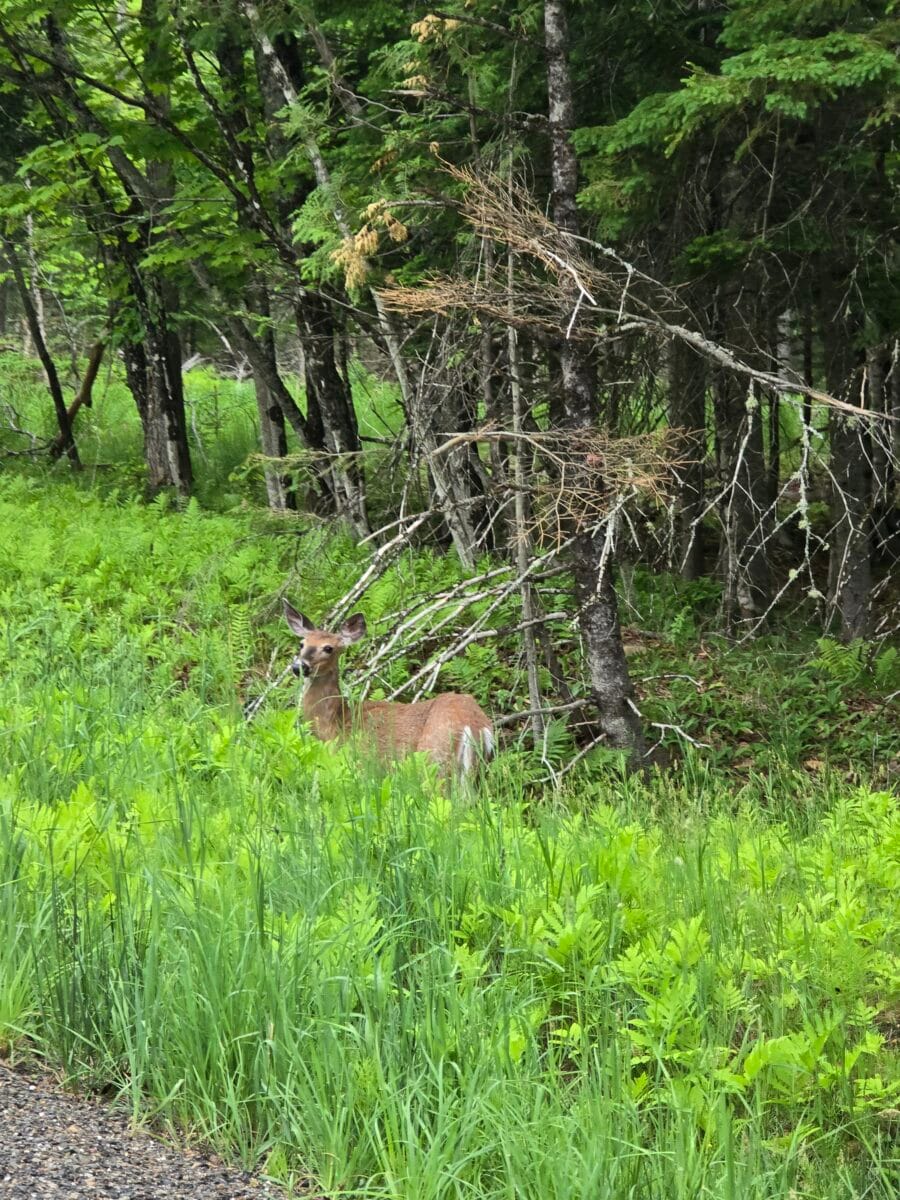
Since local wildlife can be a challenge, prioritize deer-resistant flowers like Yarrow and Iris. These options provide vibrant color without becoming an easy snack for the local deer population.
Pick low-maintenance flowers if you want easier care
If you don’t want to deadhead, stake, divide, and fuss over every plant, choose flowers that can take a hit and still look decent. Daylilies, peonies, hostas, black-eyed Susans, and astilbe all make good sense for that reason.
Skip anything that needs a long hot season if you live in colder inland Maine. Be careful with tall, floppy bloomers in windy spots.
And don’t be afraid to repeat the same reliable plant in a few places. A garden doesn’t need to be complicated to look good.
The smartest flower is the one that fits your yard on an ordinary day, not just on a perfect one.
Frequently Asked Questions
How do I know which plants will survive a Maine winter?
Start by checking your specific USDA hardiness zone on the UMaine Extension map, but remember that hardiness zones only indicate winter survival. You should also consider your specific frost dates and local microclimates, as inland and high-elevation areas face more severe conditions than coastal regions.
Can I grow heat-loving flowers in the western mountains of Maine?
It is often difficult to grow heat-loving plants in these regions because of the shorter summers and cooler nights. You will have much better success focusing on cold-hardy perennials and annuals that are tolerant of temperature fluctuations rather than varieties that require long stretches of sustained heat to bloom.
Why should I prioritize native flowers in my garden?
Native plants have evolved to thrive in Maine’s specific environmental conditions, making them naturally more resilient and less prone to disease or failure. They are also superior for supporting local pollinator populations and generally require less supplemental water and fertilizer once they are established.
How can I make my garden look full without spending all summer working on it?
Focus on low-maintenance, reliable perennials like daylilies and peonies that return year after year, and group them in areas that match their light and moisture needs. When you choose plants that are well-suited to your soil and sun, you spend significantly less time fighting for their survival and more time enjoying the landscape.
Final thoughts
The flowers that do best in Maine are not always the flashiest ones at the garden center. They are the ones that fit your cold winters, your frost dates, your light, and your soil, especially if you are gardening in the cooler western mountains.
Start with a few proven perennials. Add annuals where you want quick color, and mix in pollinator-friendly species that belong in the landscape. When you choose the right Maine flowers for your yard, gardening becomes significantly easier and more rewarding.
If you prefer to enjoy nature without the maintenance, a professional flower delivery for sympathy flowers or seasonal bouquets from a local gift shop can provide that same beautiful connection to the outdoors.
Whether you are tending your own garden or enjoying a fresh arrangement, these blooms serve as a perfect prelude to the breathtaking transition into the vibrant colors of fall foliage.

Lisa moved from Southern New England to the rural mountains of Maine in 2020 with her husband. Drawing from her hands-on experience with slower-paced rural living, she shares the beauty, honest realities, and simple pleasures of life in the Maine woods, along with their rural travels across the United States and abroad.