A shopping trip turned into an event that happens here more often than not. We have to venture out for at least an hour every couple of weeks to shop.
The local grocery store is quite pricey. We’ve learned how to turn a shopping trip into an event by stopping for lunch and checking out other stores that we don’t have nearby.
What started as a routine task for my husband and me and our new dog Stella has become a small adventure. Shopping has become less of a chore and a highlight by making these outings more entertaining and enjoyable.
Key Takeaways
- In many rural areas, people drive 1 hour or more every couple of weeks to reach lower-priced grocery and retail stores.
- Local rural grocery stores often cost more because they have smaller inventory, higher overhead, and less buying power than large chains.
- Turning a rural shopping run into an event is simple: add a lunch stop, visit an extra store you do not have locally, or meet friends and family.
- A categorized shopping list helps you stay focused, cut impulse buys, and save time during long shopping days.
- Shopping at off-peak times (weekday mornings or later evenings) helps you avoid crowds and makes the trip less stressful.
The Local Stores
The charm of a local grocery store is hard to ignore. It’s close, familiar, and usually offers good service. But that convenience often comes at a price. Smaller stores charge more because they don’t have the buying power of large chains.
Limited inventory, higher overhead costs, and fewer shoppers mean they can’t match the competitive pricing of larger retailers. The same can be said for our few retail stores in our rural area.
Price Comparison with Larger Retailers
You’ve likely noticed the stark difference if you’ve shopped at local stores and big chains. A gallon of milk at the local corner store might cost a few extra dollars compared to a major supermarket. Multiply that across a week’s worth of groceries, and the cost proliferates.
Other reasons local rural stores have higher prices include:
- Limited inventory
- Higher overhead
- Fewer shoppers
- Lower buying power
Due to bulk purchases and streamlined operations, larger retailers can offer better deals. For budget-conscious families, traveling to these stores every few weeks often makes more financial sense.
Quality vs. Cost in Shopping Trip
Of course, price isn’t the only factor to consider. Local stores often prioritize high-quality fresh produce, meat, and specialty items. However, the question is whether the quality justifies the extra cost. (That is not the case in our local area, as the fruit and vegetables may be older due to deliveries.)
For some, supporting local businesses outweighs saving money. The price difference can’t be ignored for others, especially when a limited budget is involved. Balancing quality and cost is key when making these decisions.
How to Plan a Rural Grocery Trip
Once we realized our occasional trips to larger stores were necessary, we made them feel less like an errand. Instead of approaching these outings with dread, we turned them into something to look forward to.
Grocery shopping quickly became an event for us; sometimes, we met up with our friends.
Planning Lunch Stops During Shopping Trips
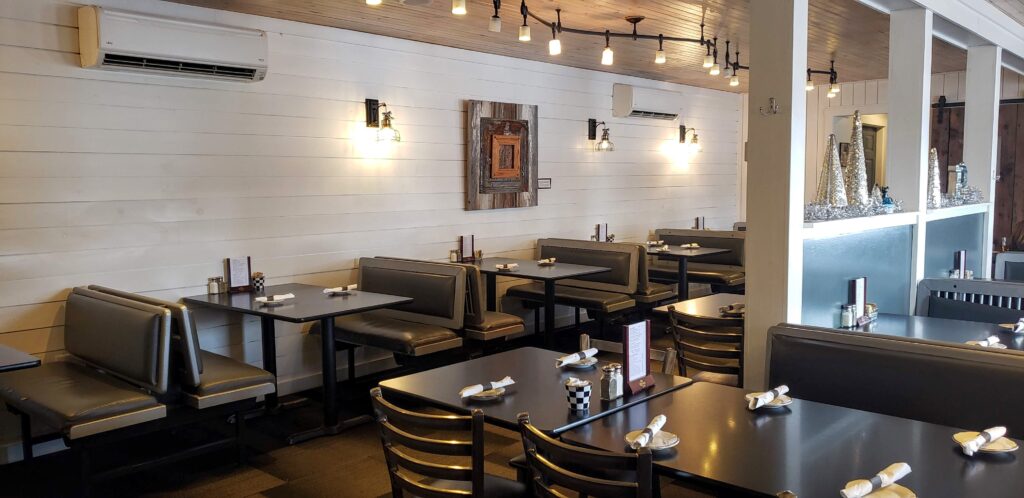
Running errands can leave you starving. Planning a lunch stop during the trip is a smart move. Whether it’s a cozy diner near the grocery store or a quick bite at a chain restaurant, a good meal can break up the day and make everyone happier.
It becomes a chance to chat, unwind, and recharge for the rest of the trip. Suddenly, routine shopping is paired with something far more pleasant. We’ve had to adjust our restaurant choices to keep an eye on our dog, Stella.
Exploring Nearby Attractions on a Shopping Trip
Sometimes, it’s not just about the groceries or the lunch. Think about what’s near the place you’re heading to. Maybe there’s a park, a unique gift shop, or even a coffee spot you don’t have in your hometown.
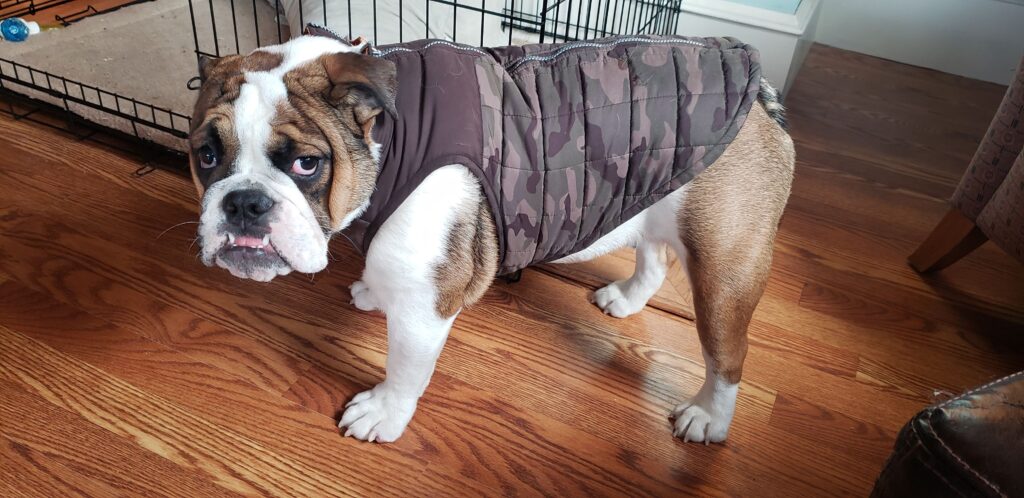
For my husband, it is Tractor Supply, like a Rural King store. We can also get Stella some things today, like two new coats. (One for when she gains more weight, as she is almost seven months old.)
Adding an extra stop to explore something nearby makes the trip feel like a mini-adventure. These small additions make the day feel special, not just practical. We can do that in the summertime, but not here in the winter, when the temperatures can be dangerously low.
Involving Friends or Family
Who says shopping has to be a solo, tedious task? The trip takes on a different energy when you bring friends or family. For us, it’s fun when our friends meet us for lunch.
Making the Most Out of a Shopping Event
Once you start treating grocery shopping like an event, it’s worth being intentional about the process. A little preparation can make the day smoother, more affordable, and more enjoyable.
Having my to-do list helps keep us on track, although sometimes getting sidetracked on our shopping trips is nice.
Creating a Shopping List
Impulse buys aren’t just budget-busters—they can quickly overwhelm the outing. A well-thought-out shopping list keeps everything on track. Break it into categories like pantry staples, fresh produce, emergency supplies, and household items.
It not only saves time but also ensures you don’t forget anything. Crossing off items on a list as you go adds a sense of progress to the trip. Having a list in your hand can save you both time and money.
Timing Your Shopping Trips
The time you choose to shop can make or break the experience. Crowded stores bring stress and longer checkout lines. Look for times when others are less likely to shop, like weekday mornings or late evenings.
This not only saves time but also makes the trip feel more relaxed. A calmer environment gives you the space to enjoy the process rather than rush through it.
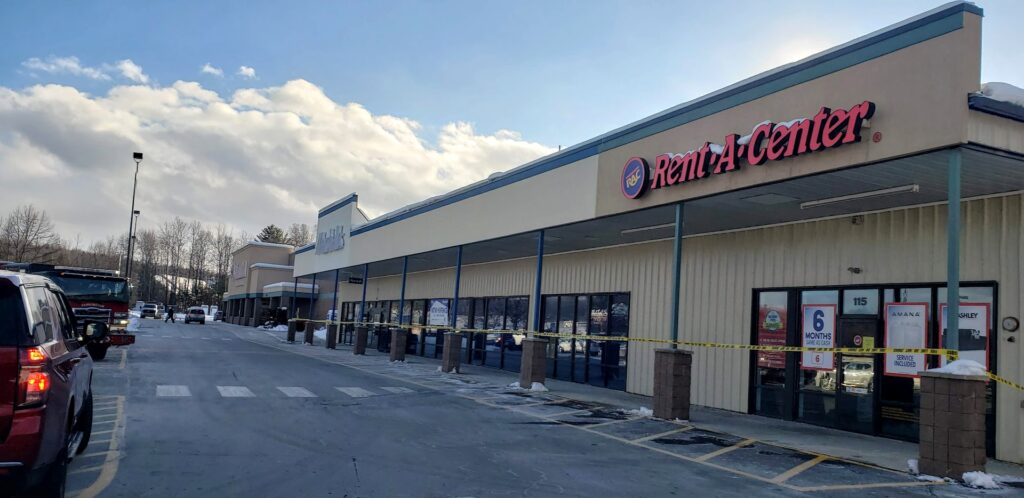
Our recent shopping trip turned out a bit unusual. I was shopping at a Marshall’s store for the first time, one that had just opened next to the big grocery store we visited. While I was shopping, an announcement was made that the store would be shutting down due to a malfunction in the propane heating system.
Luckily, I could check out my Christmas gifts at the register as they closed. Later, after lunch, we went to the grocery store next door, and fire trucks and such surrounded it.
Conclusion: Shop Trip Turned Into An Event
Turning a routine shopping trip into an event isn’t just about spending money wisely and creating a better experience. By shopping at larger retailers, we can save on grocery bills without sacrificing quality. We are always shocked at the higher prices in the market.
Adding a lunch stop, exploring nearby attractions, or involving loved ones are simple ways to make these trips feel less mundane. Even errands can lead to happy memories and meaningful moments with some planning. So the next time you need to stock up, try turning a necessary task into something worth looking forward to.
Remember, a “shopping trip turned into an event” isn’t just an idea—it’s a strategy for combining the practical with the enjoyable. Why not make it your next family outing?
Frequently Asked Questions About Turning a Rural Shopping Trip Into an Event
Why are rural grocery stores often more expensive than big retailers?
Small local stores usually have less buying power than large chains. They also have higher per-item costs due to smaller inventory, higher overhead, and fewer shoppers, so they cannot match big store pricing.
How often do rural families usually travel to bigger stores for groceries?
In this article, the routine is about every couple of weeks, with at least an hour of driving to reach larger retailers. This schedule helps balance fuel and time costs with better prices.
What are simple ways to turn a grocery run into a fun day trip?
Plan a lunch stop, add one or two extra stops (a store you don’t have locally, a park, or a coffee shop), or meet friends or family for part of the day. These add-ons make the trip feel like an outing instead of a chore.
How do you keep a long shopping trip from getting too expensive?
Use a shopping list and group it by categories (pantry staples, produce, household items). This reduces impulse buys and helps you avoid repeat trips, which can also save fuel and time.
When is the best time to shop to avoid crowds?
Weekday mornings or late evenings tend to be calmer. Less crowding means shorter lines and a less stressful experience, especially when your trip already includes a long drive.

Lisa moved from Southern New England to the rural mountains of Maine in 2020 with her husband. Drawing from her hands-on experience with slower-paced rural living, she shares the beauty, honest realities, and simple pleasures of life in the Maine woods, along with their rural travels across the United States and abroad.