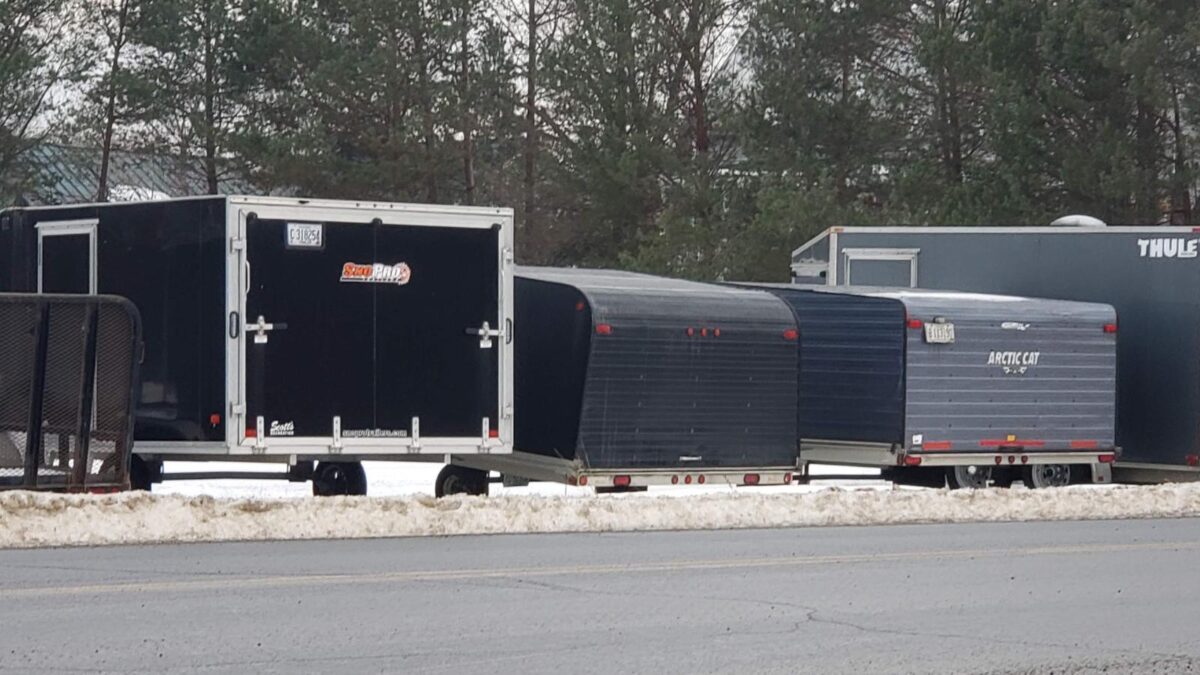
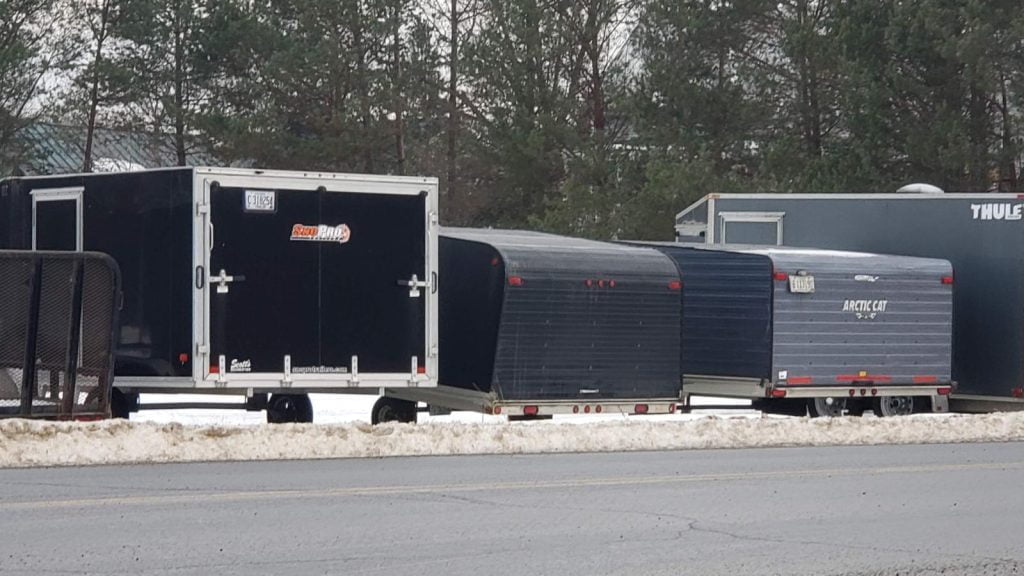
The sight of snowmobile trailers on the roads is a clear indicator that snowmobile season is upon us. As winter approaches, enthusiasts eagerly prepare for the exhilarating adventures that come with the snowy terrain.
Whether it’s for recreational riding or competitive racing, the reliance on snowmobile trailers becomes evident as riders with snowmobile gear drive up for the upcoming season.
Snowmobiling is the reason we moved to a rural area almost 6 years ago. However, we don’t feel like we are on vacation as we once did when we came here for the sport.
But we don’t miss the back-and-forth travel, lugging the trailers behind the truck filled with gear and tools.
Key Things to Know
- Snowmobile trailers are a clear sign that snowmobile season is starting in rural areas.
- Trailers make it possible to transport snowmobiles safely to remote trails, events, and rural communities.
- Enclosed or well-designed trailers protect snowmobiles from harsh weather and road debris during travel.
- Increased trailer traffic affects rural roads, safety, parking, and the local community, both in daily life and tourism.
- Snowmobiling offers adventure and community, but it carries serious safety risks that require training, gear, and caution.
Snowmobile Trailers And Transportation Of Snowmobiles
These trailers play a vital role in transporting snowmobiles to various locations, including our rural area.
Whether it’s a remote trailhead or a snowmobile event, these trailers provide a convenient and secure way to transport snowmobiles, saving enthusiasts from the hassle of riding long distances on roads or through rough terrain.
Protecting Snowmobiles from Weather and Road Debris
Additionally, snowmobile trailers offer protection from the elements and road debris. During transportation, snowmobiles are shielded from adverse weather conditions such as rain, snow, and strong winds, which could otherwise cause damage.
Furthermore, these trailers act as a barrier against road debris, preventing rocks, gravel, and other hazards from impacting the snowmobiles during transit.
By providing safe, efficient transportation and protection from environmental factors and road debris, trailers are indispensable assets, especially as snowmobile season approaches.
Traffic with Snowmobile Trailers in Rural Areas
When snowmobile season arrives, the roads in rural areas become alive with activity as enthusiasts transport their snowmobiles to their favorite trails. Traffic with these trailers is a common sight, presenting challenges for those navigating the rural roads.
Snowmobile Trailers And Rural Traffic Safety
- Be mindful of increased traffic and reduced visibility when sharing the road with vehicles towing trailers.
- Allow extra space and avoid sudden maneuvers when driving near or passing trailers to ensure safety for all road users.
- In our rural area, you must watch out for moose on the road, as we’ve been hit by them before.
Road Etiquette
- Patience is key when sharing the road with slow-moving vehicles towing trailers with snowmobile gear, such as snowmobile helmets.
- It’s essential to maintain a safe following distance and use turn signals clearly when changing lanes or overtaking trailers.
Trailer Parking
- Snowmobile trailers often require more parking space than regular vehicles.
- In rural areas, parking lots and designated trailer parking areas may be limited, so plan to avoid congestion. Drivers have to get used to loading the drive in the back with a trailer.
Community Impact
- The increase in traffic with snowmobile trailers can bring economic benefits to rural communities through tourism and related activities.
- However, snowmobilers need to be respectful of residents and businesses, practice good etiquette, and minimize disruptions. Many have to get used to backing out, staggering the loading of snowmobiles and all the gear.
Snowmobiling Sport – What Is It Like?
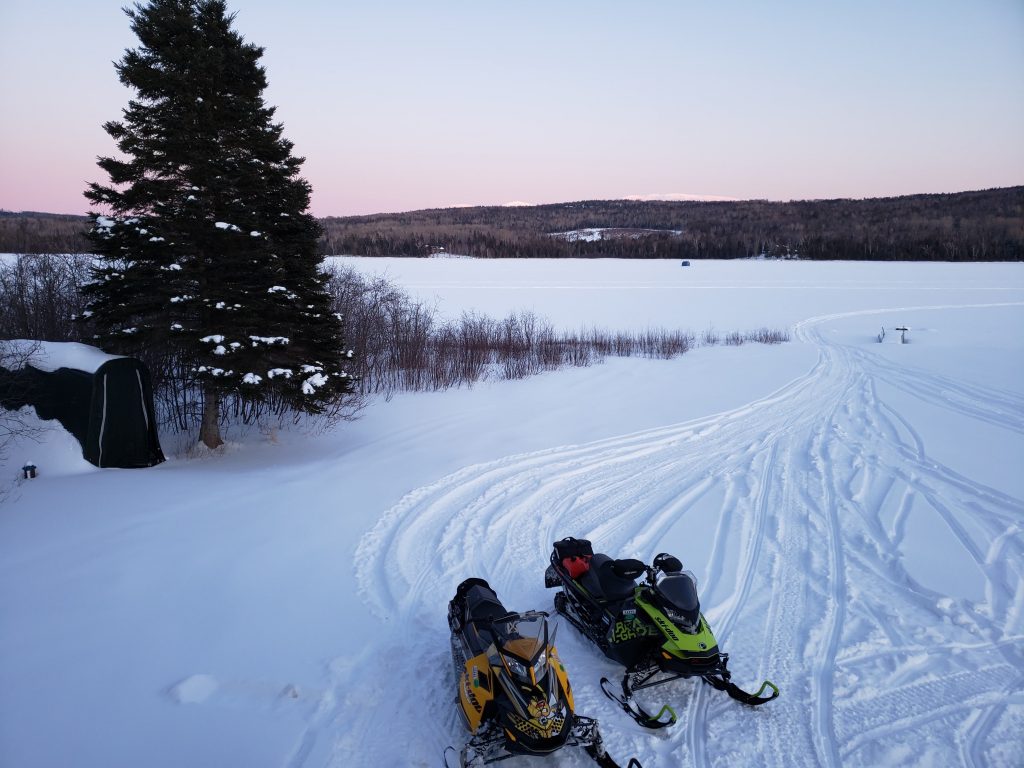
Snowmobiling is an exhilarating sport that involves driving a motorized vehicle designed to travel over snow and ice. Riders navigate through various terrains, including trails, open fields, and deep snow.
The sport requires skill and precision to handle the snowmobile effectively, especially at high speeds. Participants experience the thrill of speed and maneuverability while enjoying the winter landscape.
Snowmobiling offers a unique blend of adventure and outdoor recreation for enthusiasts seeking an adrenaline-pumping experience in cold weather.
Is It Dangerous?
Snowmobiling can be dangerous due to high speeds and the risk of losing control on varied, unpredictable terrain. Collisions with obstacles or other riders are common and can result in serious injury or fatality.
Additionally, inclement weather and low visibility conditions can further increase the risk of accidents. Not only that, but if you get stuck out there for any length of time, you could risk frostbite.
Individuals must receive proper training, adhere to safety guidelines, and use appropriate protective gear to mitigate the dangers associated with snowmobiling.
Personal Snowmobile Accident Stories
My 2nd day snowmobiling years ago almost killed me. I did not have enough experience and decided to go over an area with a few feet of snow. I hit the throttle all the way to get over the pile and did not realize it took me airborne.
I blacked out before hitting a tree and was then thrown 30 feet into a ravine. When I awoke, it was getting dark. My husband heard the machine roar and flagged someone for help. There was no cell service, as there often isn’t in remote areas.
It took 40 minutes for help to arrive, and I was starting to go into shock as they got me out of the deep snow in the woods. I ended up in the hospital for a week with 10 broken ribs, a broken arm in several places, a fractured wrist, an upper back area, and a sprained ankle.
It took 6 months to recover to go back to work and a year of PT. Since then, I’ve been riding on the back of my husband’s sled.
This past year, my husband crashed while going across the lake at a high rate of speed as the track broke off his machine. He ended up with a concussion and hurt his arm and shoulder.
He was fortunate to be alive from that accident, and I was not with him at the time.
Why We Still Ride
Many snowmobilers continue to ride after nearly dying in crashes, driven by their passion for the sport and the thrill it provides. Many riders are deeply committed to the adrenaline rush and freedom that snowmobiling offers, and they are willing to accept the risks involved.
Additionally, some may view a near-death experience as a wake-up call to ride more cautiously and responsibly, rather than as a reason to give up the activity entirely.
The community in many northern rural states, like Maine, and the social aspects of snowmobiling also play a significant role, as riders often have strong connections with others who share their enthusiasm for the sport.
Safety Checklist For New Snowmobilers
Here are some safety tips if you have never snowmobiled before:
- Get some training
- Wear a helmet
- Use protective gear
- Plan routes ahead
- Always ride with someone else
Conclusion of Snowmobiling Season
So when we see the snowmobile machines arriving, we know the season can’t be that far away. Last year, we had rain in the forecast for the week, but then the deep freeze set in, with snow falling almost every day until April, when mud season arrived. This year is starting colder with a bit of snow.
That becomes a winter paradise for snowmobile enthusiasts. Have you ever snowmobiled?
Frequently Asked Questions About Snowmobile Trailers And Snowmobile Season
How do snowmobile trailers signal the start of snowmobile season?
The appearance of snowmobile trailers on rural roads is one of the first signs that snowmobile season has begun. Riders start towing sleds into rural areas, trailheads, and events as soon as there is enough snow. When you live in a rural community, a steady flow of trucks pulling snowmobile trailers usually means snowmobilers are preparing for regular winter riding.
Why are snowmobile trailers important for snowmobilers in rural areas?
Snowmobile trailers let riders move their sleds from home to remote areas without wearing out the machines or riding long distances on roads or rough ground. This is especially important in rural regions where trailheads, cabins, and frozen lakes can sit far from where people live. Trailers save time, reduce mechanical wear, and help riders bring extra gear, tools, and safety equipment.
How do snowmobile trailers protect the machines during transport?
Snowmobile trailers help protect sleds from bad weather and road hazards during transport. They shield machines from rain, snow, sleet, and strong winds that can damage parts or freeze controls. Trailers also act as a barrier against rocks, gravel, salt, and other debris kicked up by tires. This protection helps keep snowmobiles in better condition throughout the long winter season.
What safety issues should drivers consider when sharing rural roads with snowmobile trailers?
Drivers should expect slower traffic, longer stopping distances, and reduced visibility when snowmobile trailers are on the road. It helps to leave extra space when following a trailer, avoid sudden lane changes, and pass only when you have a clear line of sight. In rural areas, there is also the added risk of wildlife, such as moose on the road, which can create dangerous situations for both trailer drivers and other vehicles.
How does increased snowmobile trailer traffic affect rural communities?
More snowmobile trailers on the road can create heavier traffic, tighter parking, and some short-term congestion in small towns and at trail access points. At the same time, this traffic brings tourism dollars to rural communities through lodging, fuel, restaurants, and local shops. Respectful riders who follow local rules, park thoughtfully, and keep noise down help balance the impact and keep relationships strong between visitors and full-time residents.

Lisa moved from Southern New England to the rural mountains of Maine in 2020 with her husband. Drawing from her hands-on experience with slower-paced rural living, she shares the beauty, honest realities, and simple pleasures of life in the Maine woods, along with their rural travels across the United States and abroad.