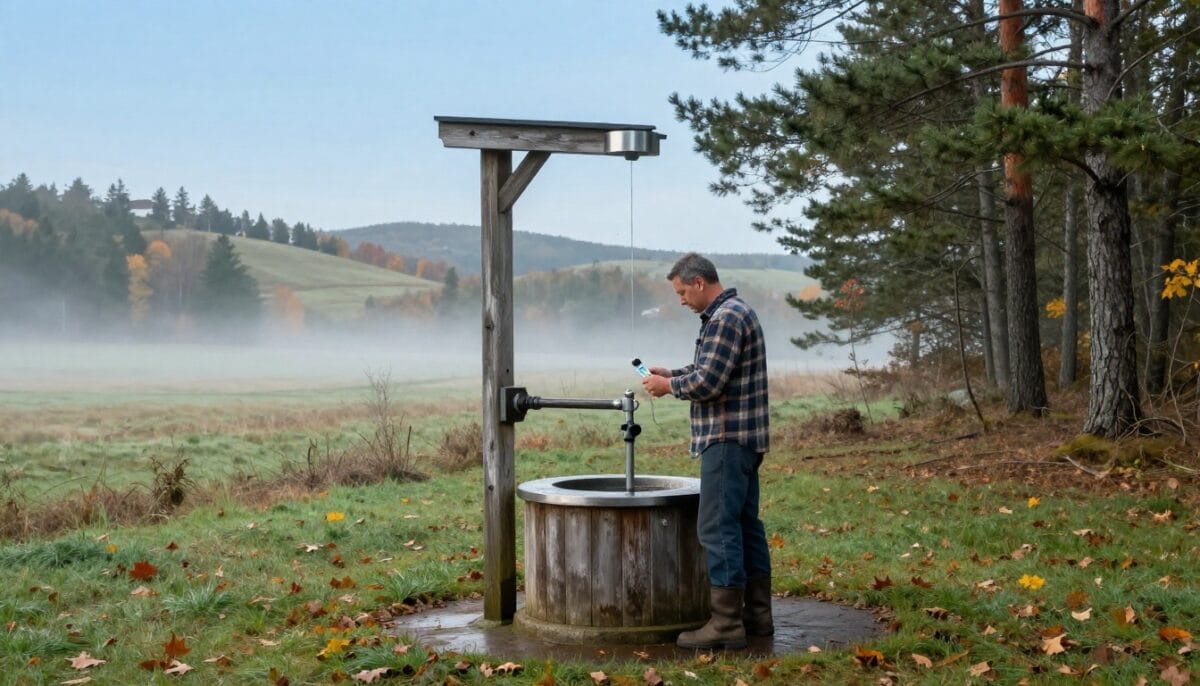
A private well is your responsibility, unlike town water that someone else tests and repairs. Learning how to maintain a well starts with understanding your daily water well maintenance responsibilities. Before relying on it, find out where the well is, how old it is, and what treatment equipment is installed.
That may sound like a lot on moving day. (You should ask your realtor before purchasing a property in Maine.) Then, start by identifying the well pump, including whether it’s a submersible well pump, and checking the water system. Preventative maintenance can help you avoid sudden water loss, especially during Maine’s weather surprises.
Key Takeaways
- Test well water before moving in and at least yearly after that.
- Keep the well head protected from fuel, runoff, animals, and snowplows.
- Choose filters after testing, not because water looks or smells odd.
- Treat sudden changes in color, pressure, taste, or odor as a reason to investigate.
- Save test results, repair records, and local service contacts together to support preventative maintenance and scheduled upkeep.
How to Maintain a Well: Build a Simple Maine Routine
Private well maintenance starts with noticing small changes before they become a no-water morning. Preventive maintenance begins at the wellhead. Keep it visible, inspect the well casing, and make sure the well cap is secure, sanitary, and above ground where required.
Keep gasoline, oil, road salt, manure, and household chemicals well away from it. Don’t let vehicles drive over buried water lines. Check the pump area, pressure tank, and water pressure for damp spots, rust, odd noises, or leaks.
Older rural homes may have incomplete records. Seasonal camps may have even fewer. Start your own folder with test reports, pump work, filter changes, and service calls. It is part of planning for rural living, especially when help may be miles away.
What to Check Before Buying or Moving Into a Rural Maine Home
Ask for recent water test results, well depth, well yield, age, pump replacement history, treatment equipment details, and septic system records. Confirm the septic system has proper clearance from the well. A basic septic maintenance guide can also help you understand what to ask about that separate system.
Hire a qualified inspector for an annual inspection and order an independent water test. Review past treatment equipment, including any water softener, and confirm that it was properly maintained. Clear water can still contain bacteria, arsenic, radon, or other contaminants you cannot see or smell.
Keep the Wellhead Safe Through Winter and Spring Thaw
Snow and ice can hide the cap, while spring runoff can move fast across a yard. Keep the area accessible and avoid plowing, piling snow, or parking heavy equipment over the well or water lines. These steps help protect groundwater drawn from the local aquifer.
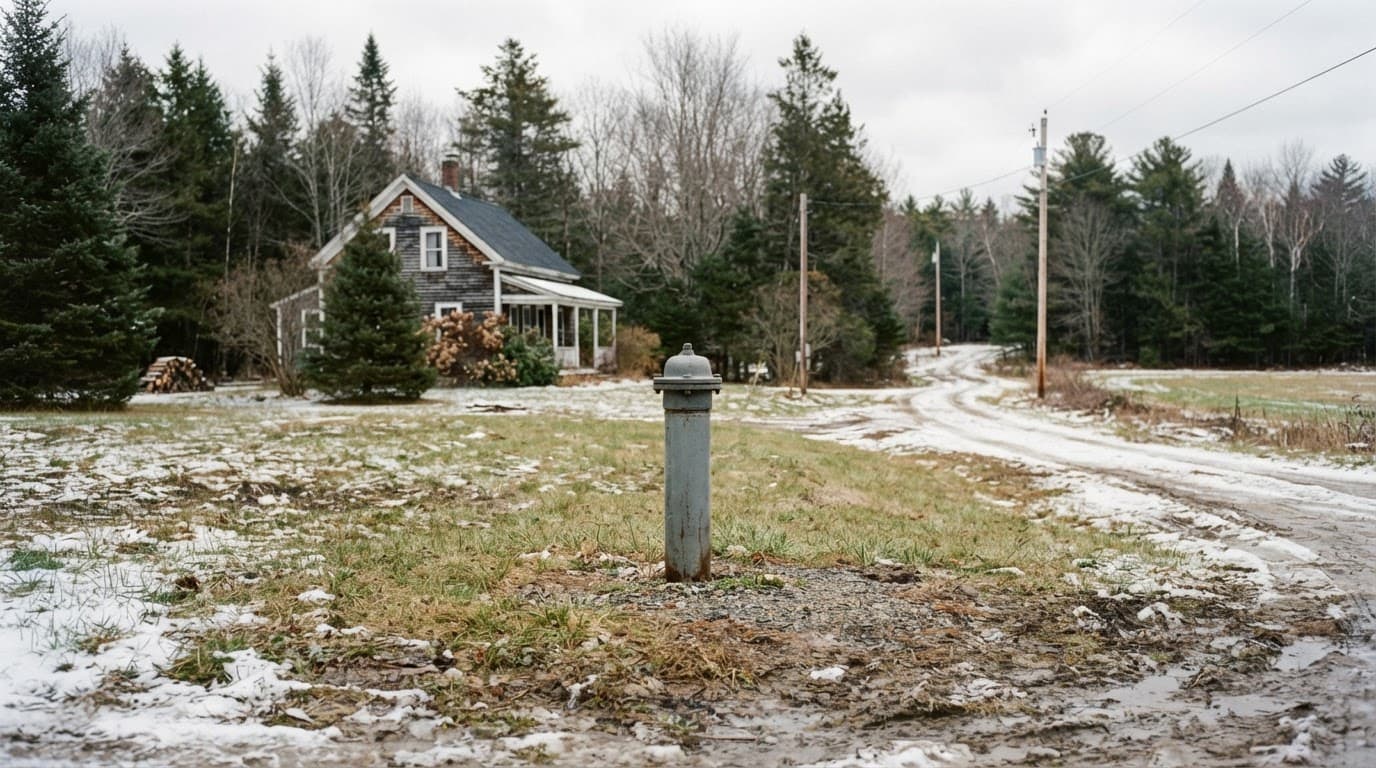
After flooding, heavy rain, frozen pipes, or a sudden shift in taste, color, or smell, get the water tested. A well contractor can recommend chlorination or other professional sanitary recovery before you use the water normally again.
Private Well Water Testing in Maine: What to Test and When
Well water testing is the only dependable way to know what is in your water. Use a Maine-certified lab and follow its sampling directions exactly. A bottle touched inside or filled incorrectly can spoil the result.
Get a baseline test before relying on water in a new home. After that, annual bacteria testing for indicators such as total coliform and E. coli is a sensible habit for many households. The Maine CDC’s private well guidance also covers risks found in wells across the state.
Local bedrock, shallow groundwater, and nearby land use can affect which contaminants reach a well. Depending on your location and household needs, testing may include:
- Arsenic, uranium, radon, nitrate, fluoride, manganese, lead, and PFAS.
- Extra tests after flooding, well repairs, unexplained illness, or water-quality changes. Monitor well yield during these changes, too.
- Expanded screening near farms, old fuel tanks, or areas with known groundwater concerns. A failing septic system can contaminate the surrounding aquifer.
- Iron bacteria and other nuisance issues that can cause staining, odors, or slimy buildup.
- Mineral hardness before installing or adjusting a water softener or other water treatment system.
How to Read a Private Well Water Report
A detected result means the lab found a substance. A reporting limit is the lowest amount that the lab can reliably measure. A health guideline or maximum contaminant level gives you a number to discuss with a qualified professional.
Call the lab, Maine CDC, or a water-treatment professional if the report is confusing. Boiling can kill many germs, but it does not remove arsenic, uranium, nitrate, or other dissolved chemicals.
Many wells in Western Maine test positive for arsenic, but most are not at high levels.
Choosing Filters and Treatment Systems for Common Problems
Don’t buy water treatment equipment based on a bad taste or a five-star online review. Test first, then match the system to the confirmed problem.
A sediment filter catches sand and grit before they reach household plumbing. Activated carbon can reduce some odors and chemicals. A water softener treats hardness, while iron and manganese filters help with staining. UV units can provide microbial protection when installed correctly. A point-of-use water filtration system, including reverse osmosis, can reduce selected contaminants at a drinking-water tap.
No single filter fixes everything. A second sediment filter may be needed when particulate levels are high.
A water softener also requires salt, cleaning, and regular adjustments. Reverse osmosis systems require filter and membrane replacement services.
Some water treatment equipment needs electricity, regular cleaning, or special service. A dirty filter can quickly lower water pressure. Don’t bypass treatment equipment or ignore warning lights.
Common Well Problems and the First Steps to Take
Cloudy water may be sediment or a failing component. A rotten-egg odor may be caused by sulfur-producing bacteria or plumbing issues. Orange or black stains can point to iron or manganese. Slimy residue may be caused by iron bacteria, which may require chlorination and professional guidance.
Low pressure can come from a clogged sediment filter, pressure tank, well pump, leak, or frozen line. A deep submersible well pump may also be affected by fluctuating well yield from the aquifer. Standard preventative maintenance checks can help identify problems early.
Sudden water loss may involve a power outage, a dry well, or pump trouble. Check power and filters first, then call a licensed professional for electrical work, repeated water loss, contamination, or suspected damage. Stop drinking the water if contamination is possible.
A Practical Annual Well Maintenance Checklist for Rural Homeowners
A simple water well maintenance routine makes preventative maintenance easier and helps catch problems early.
- Monthly: Inspect the well head, well cap, well casing, visible plumbing, pressure gauge, and pressure tank. Check for leaks or damage.
- Seasonally: Clear brush, snow, and standing water from the well area. Confirm proper separation distance from the septic system. Change the sediment filter as needed, and check salt levels in the water softener.
- Annually: Test the water, replace filters on schedule, and review your maintenance folder. Schedule an annual inspection with a licensed well contractor.
- After emergencies: Test the water after flooding, major repairs, or unexplained changes in taste, odor, color, or pressure.
Typical annual costs include $150 to $350 for certified lab testing, $50 to $150 for replacement filters, and $150 to $300 for periodic professional inspections.
Keep emergency drinking water on hand for outages or suspected contamination. Save contact information for a certified lab, a licensed well contractor, a plumber, and an electrician.
Frequently Asked Questions
How often should a private well in Maine be tested?
Annual testing is a good baseline for many homes, and new owners should test the water before drinking. Include bacteria testing, especially after flooding, repairs, or changes in water quality. Pregnancy, infants, health concerns, or odd water changes may call for more frequent or broader testing.
Can I maintain a private well without hiring a professional?
You can handle recordkeeping, visual checks, filter changes, and basic wellhead protection. Keep the well away from septic system effluent, and watch for low well yield during summer dry spells. Pumps, electrical work, pressure tank failures, drilling, and contamination problems are best left to qualified professionals.
How much does it cost to maintain a well?
Many Maine homeowners spend about $250 to $700 or more per year. Typical costs include water testing, replacement filters, routine service, and occasional pump or pressure system repairs. Major repairs, treatment equipment, or emergency service can increase the total.
What should I do if my well water suddenly turns brown?
Stop using it for drinking and cooking until you know why, especially after flooding, construction, or pump trouble. Check hot and cold water, inspect the filter, and arrange testing or service if the problem doesn’t clear.
Do whole-house filters make well water safe to drink?
Only if they are designed for the contaminant in your water and maintained correctly. Test first, then choose a properly rated water filtration system, water softener, or other treatment equipment as needed. Keep testing to confirm it is still doing its job.
Keep Well Care Simple and Consistent
Private well maintenance is manageable when you test on schedule, protect the wellhead, change filters, and respond fast to changes. Preventative maintenance helps you avoid bigger problems later.
Learn your system, keep good local contacts, and track seasonal well yield alongside water quality reports and repair logs. Keep recent test results and well maintenance records where you can find them during a power outage, repair, or future home sale.
Do you have a well in your rural area home? I’d love to hear about your well stories or advice in the comments below.
Disclosure: This Rural Area Life post contains affiliate links. If you buy through them, I may earn a commission at no extra cost to you. Some sections were drafted with AI tools and then carefully reviewed and edited by me.

Lisa moved from Southern New England to the rural mountains of Maine in 2020 with her husband. Drawing from her hands-on experience with slower-paced rural living, she shares the beauty, honest realities, and simple pleasures of life in the Maine woods, along with their rural travels across the United States and abroad.