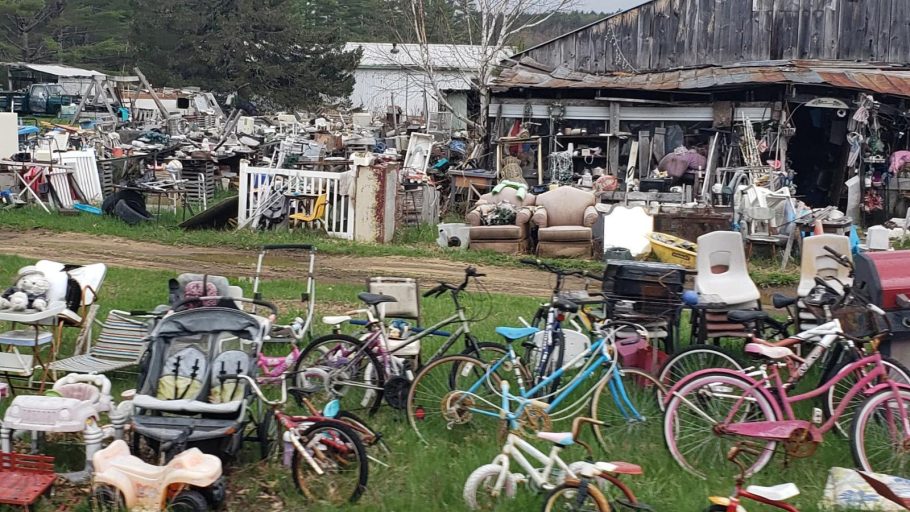
The flea markets have always been a favorite destination for shopping enthusiasts. They’re a treasure trove of unique items, vintage finds, and quirky collectibles you can’t find anywhere else.
But have you explored the flea markets in rural towns? Charming and cozy, these local flea markets are a great way to discover things you never knew you wanted.
As a kid, I worked in an indoor flea market where I met my husband in the late 1970s. Back in that city today, the old flea market is no longer there. A bike path goes right by the old spot where it once was.
Since we moved to a rural area of Maine, we have found them popping up everywhere today.
Here’s why exploring the flea markets in countryside towns is a must-do:
Key Takeaways of Flea Markets
- Rural flea markets have a more personal, laid-back feel than big-city markets.
- They often have uncommon finds, including antiques, vintage items, and odd collectibles.
- Prices are often lower, so they’re a good stop for bargain hunters.
- These markets give you a chance to meet local vendors and feel part of the community.
- Many items reflect the area’s history, crafts, and small-town character.
- A visit can turn into a full-day trip, with shopping, food, and a slower pace.
Authentic Atmosphere
Flea markets in rural towns often have a unique atmosphere you can’t find in bigger cities. The vendors are friendly, and the experience is more personal. You can take your time browsing for hidden gems and chatting with the vendors without feeling rushed.
Plus, the countryside backdrop adds another layer of charm to the experience. Many flea markets are held in rural residents’ homes, and some are open 7 days a week. (Sometimes, also called yard sales)
If you are out in the early morning hours, you can see people taking things out of their house to place in their yard for the market. Some may call them yard sales as well.
However, many have these sales with their neighbors to make it more than a single-yard sale. Others may have a flea market in their barn or old garages.
Uncommon Finds
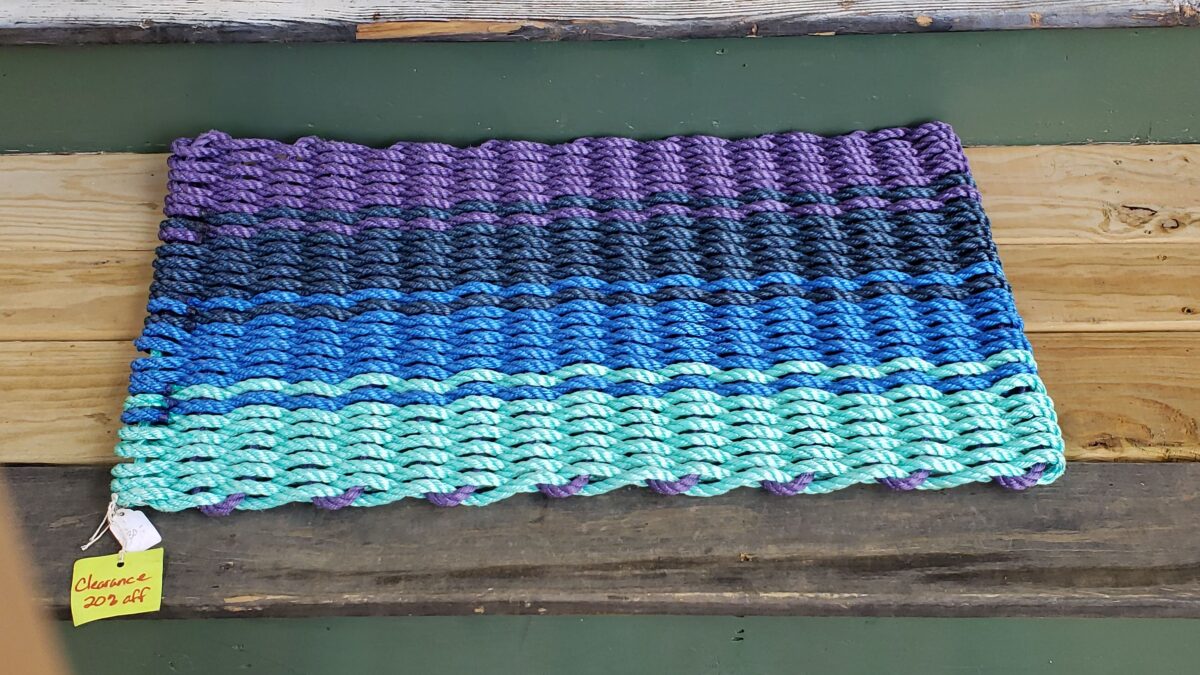
Rural flea markets can offer a distinctive collection of oddities, rare objects, and antiques priced reasonably, making them a perfect place for collectors to find what they prefer.
You can find unique home decor, vintage items, and rare collectibles not found in mainstream shops. However, you’d be surprised at the odd and interesting pieces you can find.
Affordable Prices At The Rural Flea Market
Unlike the big-city flea markets, prices in rural towns are often very affordable. Vendors likely sell items at lower prices in rural towns where competition is less intense.
If you’re a bargain-hunter, you’ll find no shortage of great deals at these markets.
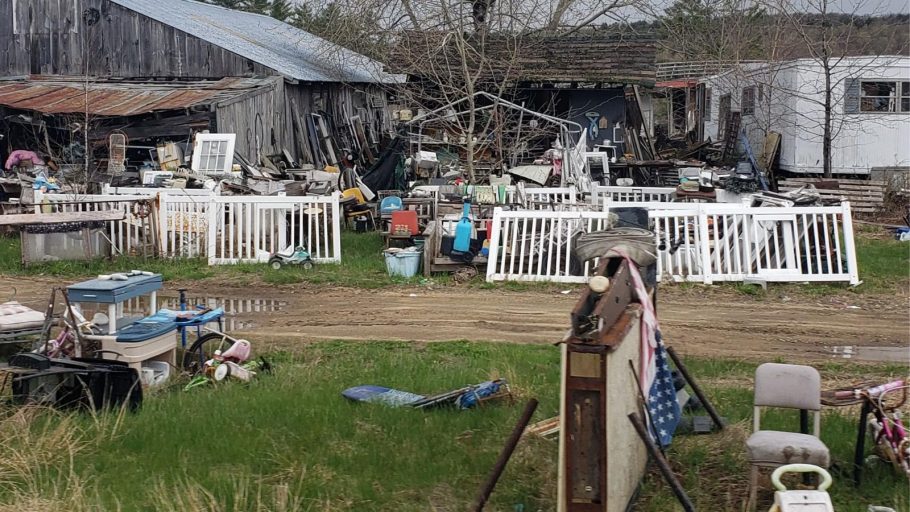
Embracing The Community Spirit
Finally, visiting a flea market in a rural town is a chance to connect with the local community and experience the sense of belonging that comes with it. You’ll meet people from all walks of life – from elderly couples selling homemade jams for decades to young families just starting their businesses.
The pride and passion that these vendors exude for their craft and their hometown can be infectious and heartwarming. And who knows, you might even end up making some lifelong friends in the process.
Many may hold these markets daily for some chit-chat, as these small areas do not have many residents.
Rich Heritage
You can expect significant cultural and historical differences between the items sold at rural flea markets. These neighborhood markets are an excellent reflection of the region’s culture and history.
Visitors to flea markets will be able to learn more about traditional art forms, indigenous crafts, and the tales attached to those artifacts.
A Day Well Spent At The Flea Market
Exploring a flea market in the countryside can be a full-day activity. You can bring your fur babies and enjoy a morning of shopping and browsing through stalls, then grab some delicious street-side food for lunch in larger rural towns.
The smaller ones are just along the side of the road.
It’s an opportunity to step out of the hustle-bustle of the city and enjoy the peace of the countryside.
June Lupine Season – The Perfect Time for Flea Market Adventures
June is one of the most magical times to visit flea markets in rural Western Maine. The roadsides and meadows explode with vibrant lupines in shades of purple, pink, and blue.
Combine your treasure hunt with a scenic drive through lupine-lined backroads near Rangeley, Kingfield, or Phillips. Many local markets and events take place during peak lupine season, offering the perfect mix of shopping and stunning natural beauty.
Conclusion: Rural Flea Markets in Maine
If you’re a flea market enthusiast, don’t miss out on the opportunity to visit a rural flea market. With its authentic atmosphere, unique finds, affordable prices, and rich heritage, exploring a countryside flea market can be a memorable experience.
The next time you’re in the mood for a day trip, why not head to the nearest rural town to discover hidden treasures?
Frequently Asked Questions About the Flea Market
What should you bring to a flea market?
You should bring cash, a reusable tote or wagon, comfortable shoes, and a bottle of water. If the market is outdoors, add sunscreen, a hat, and a little extra cash for small buys or food stalls. A tape measure can help if you’re shopping for furniture, shelves, or anything that has to fit in your house.
Is it better to go to a flea market early or late?
Early is usually better if you want the best selection. Late is better if you’re hunting for discounts, since some sellers would rather lower the price than pack everything back up. If you want both choice and bargaining room, get there near the start and circle back before you leave.
Do flea market vendors take cards?
Some do, but plenty still prefer cash. In rural areas, card readers and cell service can be hit-or-miss, so cash is the safest bet. If you plan to use a card or a payment app like Venmo, check your signal before relying on it.
Can you haggle at a flea market?
Yes, in many cases you can, and it’s expected on higher-priced items. Keep your offer fair, be polite, and don’t push hard over a few dollars. If a seller says no, move on without making it awkward.
How do you know if something is worth buying?
You need to check condition, price, and whether you’ll actually use it. Look for damage, missing parts, stains, rust, or repairs that cost more than the item is worth. For older or collectible pieces, compare prices before you hand over your money, because a good-looking item isn’t always a good deal.

Lisa moved from Southern New England to the rural mountains of Maine in 2020 with her husband. Drawing from her hands-on experience with slower-paced rural living, she shares the beauty, honest realities, and simple pleasures of life in the Maine woods, along with their rural travels across the United States and abroad.