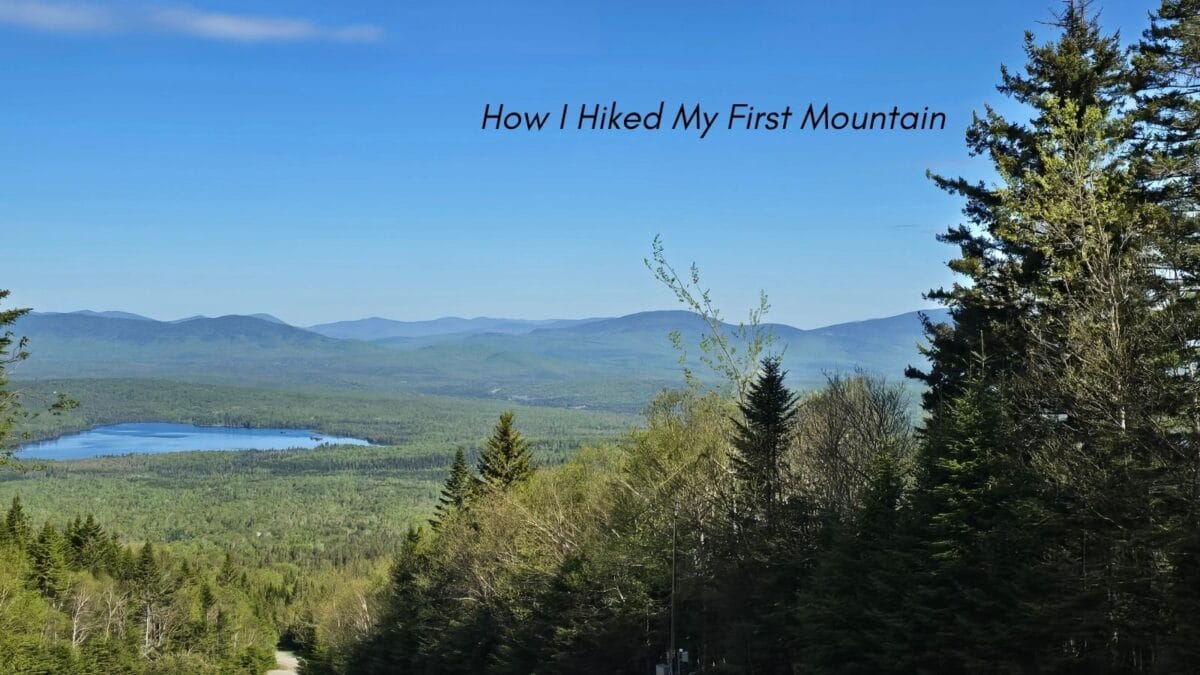
The trailhead was quiet, but my stomach wasn’t. I was new to my first mountain, and this wasn’t a casual woods walk or a flat loop around a pond. It was all about how I hiked my first mountain.
I wanted a real Maine peak, the kind that asks something from you. That meant choosing a trail in western Maine at Saddleback, packing my backpack with more care than usual, and accepting that June bugs would be part of the deal.
I didn’t know exactly how the day would go with my friend who had more experience. I only knew I wanted to reach the section that connected with the Appalachian Trail and see if I had more in me than I thought.
Key Takeaways
- Prepare for changing conditions: Western Maine weather is unpredictable, so always pack a light sweatshirt in June, extra warm layers, and sturdy hiking boots or sneakers regardless of the forecast.
- Master your pacing: Climbing is not a race; finding a steady, sustainable pace and taking short, frequent breaks helps prevent burnout on steeper sections.
- Essential gear is vital: Never leave without the basics: sufficient water, calorie-dense snacks, a physical map, a first-aid kit, and effective insect repellent for buggy months.
- Prioritize the mental game: A first mountain hike is about building confidence; success comes from patience, proper planning, and a willingness to adapt when the trail becomes difficult.
Reflecting on hiking my first mountain taught me valuable lessons about preparation and perseverance.
Why I chose a mountain in western Maine for my first climb
Western Maine made sense right away. The mountains there are rugged without feeling crowded, and the trailheads still have that out-of-the-way feel I love. Because many of these trails are beginner-friendly, they offered the perfect environment for a novice climber.
I wanted my first climb to feel personal, not like I was standing in line for a view. In fact, choosing a hike here is a great way to build your physical fitness before setting your sights on a more demanding mountain like those on the Appalachian Trail.
I also liked that my route touched the Appalachian Trail. Before I settled on it, I read through good little mountains in Maine to get a better sense of what a beginner could handle.
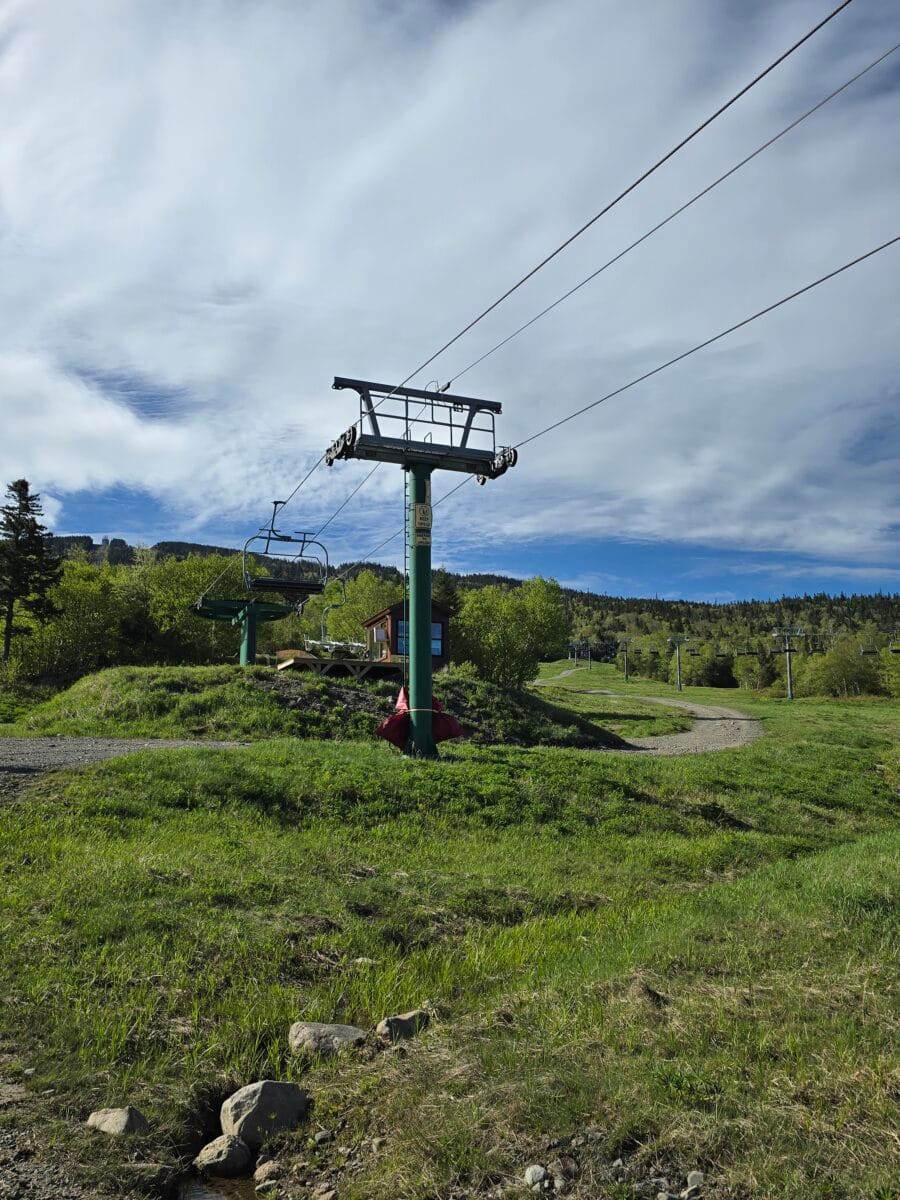
What made the Appalachian Trail connection feel special
That trail connection added more weight to the hike. Stepping onto a piece of the Appalachian Trail made me think about all the people who have passed through, headed north or south, carrying their own reasons.
It turned my first mountain into something bigger than a Saturday outing.
What I hoped this first mountain would teach me
I was not out there to prove anything dramatic. I wanted to see how I handled steady climbing, how well I packed, and whether I could stay calm when the trail stopped being easy.
A first mountain teaches you fast, mostly by stripping away excuses.
How I packed my backpack for a first mountain hike
Packing changed the whole day before I even left home. Rural Maine weather can turn on you, and a mountain trail is no place to wish you had brought one more layer. Before heading out, I checked the local weather forecast to prepare for potential shifts in conditions.
I kept my pack simple, but not empty. When considering the best hiking gear to carry, these were the items I refused to leave behind:
- Hydration, because I knew the climb would be longer and slower than a typical town trail.
- Salty snacks and something sweet, so I did not hit that shaky wall halfway up.
- A band-aid for blisters, scrapes, or the small problems that grow fast. My friend was smarter and brought gauze in case we sprained an ankle.
- Advil if you get sore and allergy medication, as the pollen was moderate.
- A light sweatshirt and one warm layer, because summits and shaded woods can cool off quickly.
- Sturdy hiking boots, which my friend wore, provided the necessary support for the rocky terrain. But I wore sneakers as I recently had a toe issue. Luckily, I was fine in them except for one fall I almost had, but my walking pole saved me!
Why I added bug spray, extra socks, and a light layer
I added bug spray, extra socks, and a dry light layer at the last minute, and I am glad I did. June in Maine can be buggy enough to test your patience.
The spray helped me keep walking instead of swatting. The spare socks were a backup if I hit mud or if my feet became soaked through. The extra layer was essential for wind protection during rest breaks.
I also brought along a hiking pole, which was a game-changer for stability on the steep descent. While this was my first major trek, exploring the fundamentals of backpacking helped me feel much more confident.
If you are nervous about a first climb, even a guided Maine hike can make the basics easier to sort out.
What the hike was like once I got on the trail
Once I got on the trail, the mountain wasted no time. The path tilted upward as the elevation gain increased; roots crossed it like knotted ropes, and rocky technical sections made me watch every step carefully. My friend and I knew if we fell, it would be a long wait for medical attention here.
I stopped trying to hike fast within the first ten minutes. That was a good lesson.
How I handled the climb when it got harder
When the climb got steeper, I shortened my stride and paid attention to my breathing. I took short breaks before I needed long ones. That kept me steady.
I learned that a first mountain is not about charging uphill. It is about finding a pace you can repeat without talking yourself into quitting.
What the mayflies were like in June
The mayflies showed up in those damp, still stretches where the air barely moved. They hovered around my face, landed on my arms, and made every pause feel like an invitation.
I kept my hat on, used the bug spray, and moved when I needed to. While the trail conditions were challenging, the bugs did not ruin anything. They became part of the story, like mud on boots or sweat on the back of a shirt.
Bugs can change your mood fast on a Maine trail, but a little preparation keeps them from taking over the day.
The moment I knew I had picked the right trail
The best moment came when the woods opened a little, and the trail connection finally clicked in my head. I was tired, breathing hard, and smiling anyway.
That quiet stretch near the Appalachian Trail made the whole day feel real. It was not a local walk squeezed into an afternoon. It was my first true mountain hike, in a wilderness that still felt wild enough to hold onto the silence.
What I learned from hiking my first Maine mountain
What I learned was simple. Preparation matters, but so does attitude. I did not need fancy gear or perfect legs for this day hike.
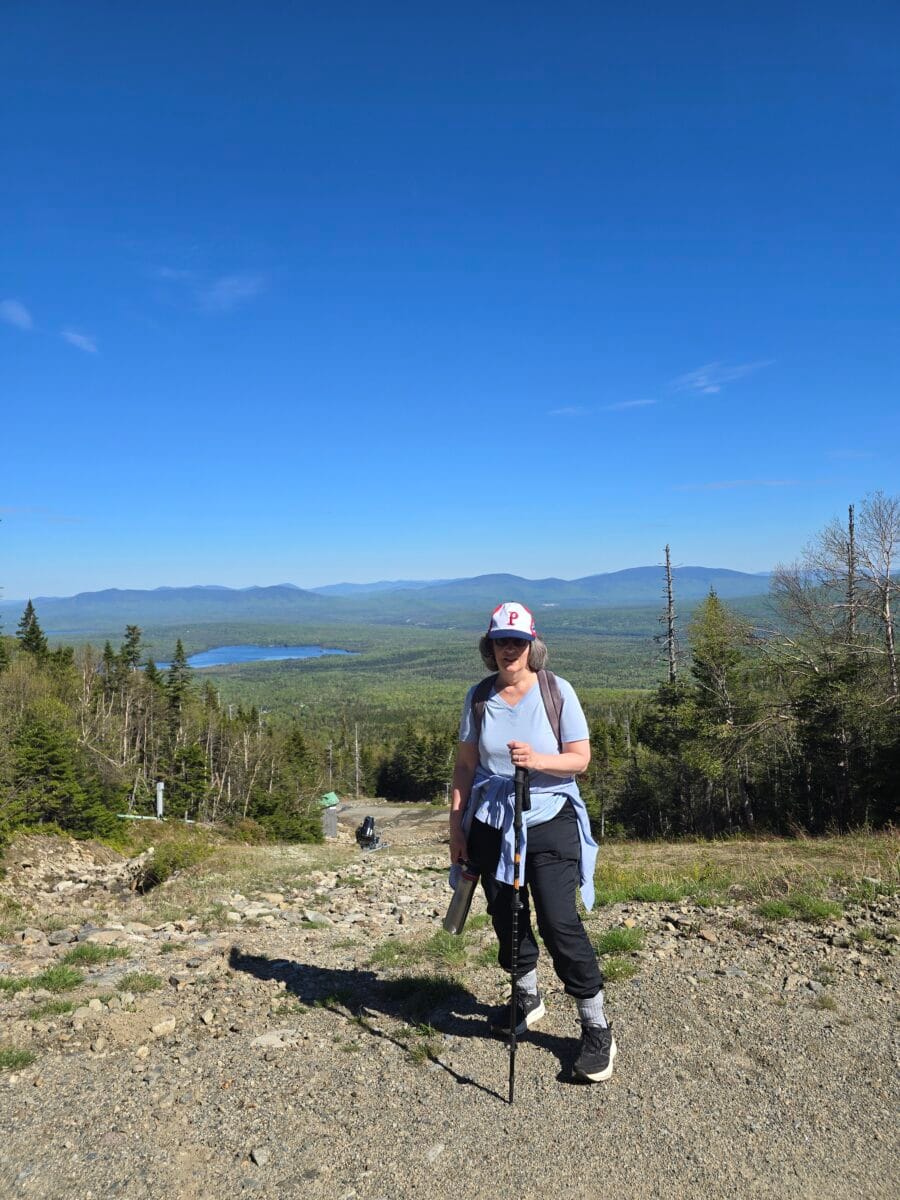
I needed enough water, enough patience, and the sense to slow down before I burned myself out. While I did not have to worry about altitude sickness in the rolling terrain of the north, the mental strength required to keep pushing forward proved to be a perfect precursor for my future training plan.
That hike gave me confidence I did not have when I reached the summit. After that, future mountains looked less scary and more possible, transforming me into a backpacker in spirit. It also pushed me to keep exploring rural tourism ideas that blend outdoor travel with the slower pace of places like western Maine.
My first mountain did not make me an expert. It made me willing to go again. That’s why I didn’t get to the top; I told my friend we would do it again.
Frequently Asked Questions
Why is western Maine a good place for beginner hikers?
Western Maine offers rugged, beautiful terrain that feels remote and quiet compared to more popular tourist destinations. Many trails are well-suited for novices looking to build fitness and experience mountain climbing without the pressure of extreme crowds.
How should I prepare my backpack for a first-time mountain climb?
Focus on the essentials: hydration, energy-dense snacks, a reliable map, and a basic first-aid kit. Always include extra layers for temperature shifts and bug spray, as Maine trails can be quite active with insects during the summer months.
How do I handle steeper trail sections without getting discouraged?
When the path becomes steep, focus on shortening your stride and regulating your breathing. By taking short breaks before you feel completely exhausted, you can maintain a steady pace and complete the climb without burning out.
Do I need to be an expert to hike in Maine?
No, you do not need to be an expert to enjoy Maine’s mountains. A successful hike is more about proper preparation, having the right attitude, and being willing to move at a pace that is comfortable for your current fitness level.
Conclusion: How I Hiked My First Mountain
That day stays with me because it had all the pieces of a memorable summit day. Western Maine gave me quiet trails, a real push uphill, and a trail connection that meant something. The June mayflies, the backpack I packed, and the breaks I had to take all belong to the memory of reaching that mountain peak, though not the highest one this time.
What sticks most is this: I finished stronger than I started. It showed me I could do hard things slowly.

Lisa moved from Southern New England to the rural mountains of Maine in 2020 with her husband. Drawing from her hands-on experience with slower-paced rural living, she shares the beauty, honest realities, and simple pleasures of life in the Maine woods, along with their rural travels across the United States and abroad.