A few weeks ago, we took a drive to New Portland, Maine, and stopped at Nowetah’s American Indian Museum and Gift Store. It was one of those small rural places that sticks with you because it feels personal, not rushed or built for busloads of tourists.
While this is not the massive scale of the National Museum of the American Indian, it offers something that large institutions often cannot: an intimate, quiet connection to the past. The museum features an authentic American Indian museum collection that invites you to walk through and reflect at your own pace. If you enjoy Maine museums, exploring Native American history, discovering handmade crafts, or simply getting off the usual tourist route, this is a stop worth adding to your next road trip.
Key Museum Takeaways
- Nowetah’s American Indian Museum offers an intimate and personal alternative to large-scale national institutions, allowing for a slower, more reflective experience.
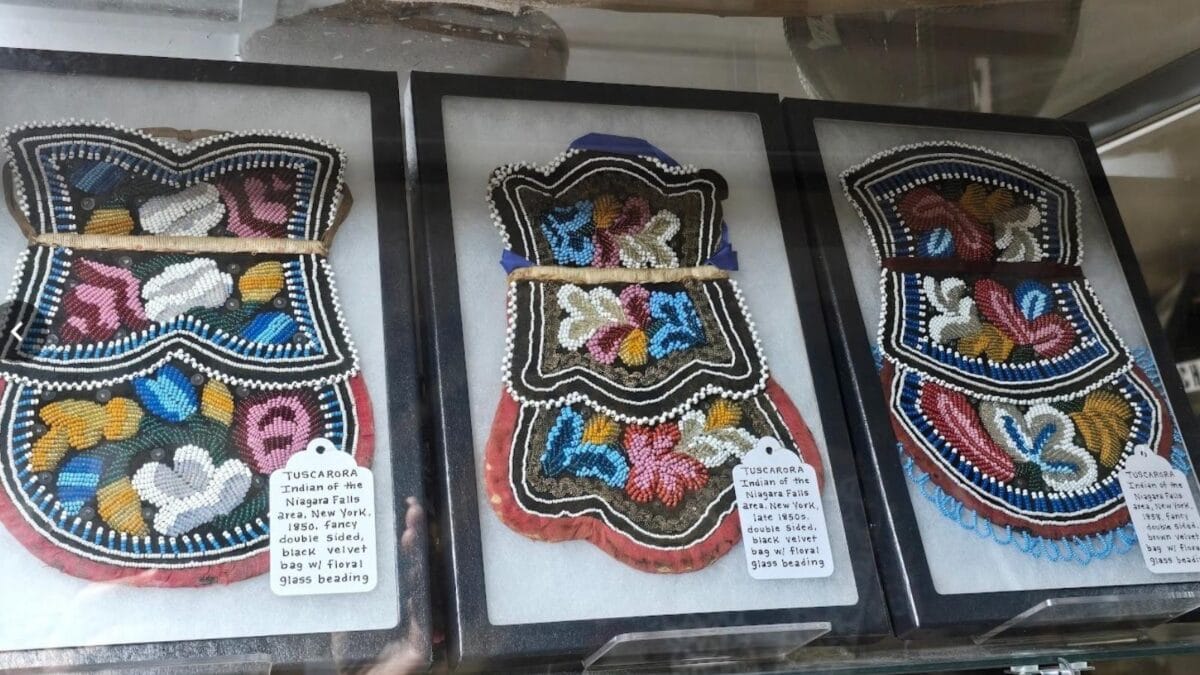
- The museum features an authentic collection of Indigenous artifacts, including baskets and handmade crafts, which provide valuable context for the region’s cultural heritage.
- Located in rural New Portland, the museum requires advance planning, including checking seasonal hours and verifying contact information before embarking on your drive.
- Visitors are encouraged to approach the exhibits and artifacts with respect and curiosity, mirroring the etiquette expected at major museums like the Smithsonian Institution.
- The combination of a thoughtful museum experience and a peaceful rural setting makes this a rewarding stop for those looking to explore Native American history away from crowded tourist hubs.
What We Found Inside Nowetah’s American Indian Museum
Nowetah’s is not a massive city destination with loud, digital screens or timed, high-traffic exhibits. It is an intimate American Indian museum that provides a quiet space to observe the profound legacy of Indigenous peoples. Unlike a bustling Smithsonian museum in Washington, D.C., where visitors often feel the pressure to move quickly through crowded galleries, this rural setting allows you to take your time and look closely at the objects around you.
That slower pace creates a unique connection to Native American history. There is no feeling that you must race to the next room or push through a crowd. Instead, you can stop, study the intricate details, and appreciate the immense skill required for each piece. For families and travelers who appreciate cultural institutions, this focused experience can be more rewarding than visiting a larger, overwhelming space.
While major hubs like the National Museum of the American Indian in New York City or the George Gustav Heye Center offer world-class collections, they operate with a different energy than a site in rural Maine. A Smithsonian Institution facility, such as the National Museum of the American Indian on the National Mall, serves as a vital national touchstone, yet a smaller venue provides a more personal environment for reflection.
We suggest taking your time inside. Look at the materials, patterns, and shapes that define the work of various Indigenous peoples. If staff members share information during your visit, listen closely and ask respectful questions. A place like this gives you much more when you slow down enough to notice the nuances.
The Nowetah’s museum listing for Maine’s Northwestern Mountains also confirms its New Portland location and contact information before you plan the drive.
A closer look at the baskets, artwork, and handmade pieces
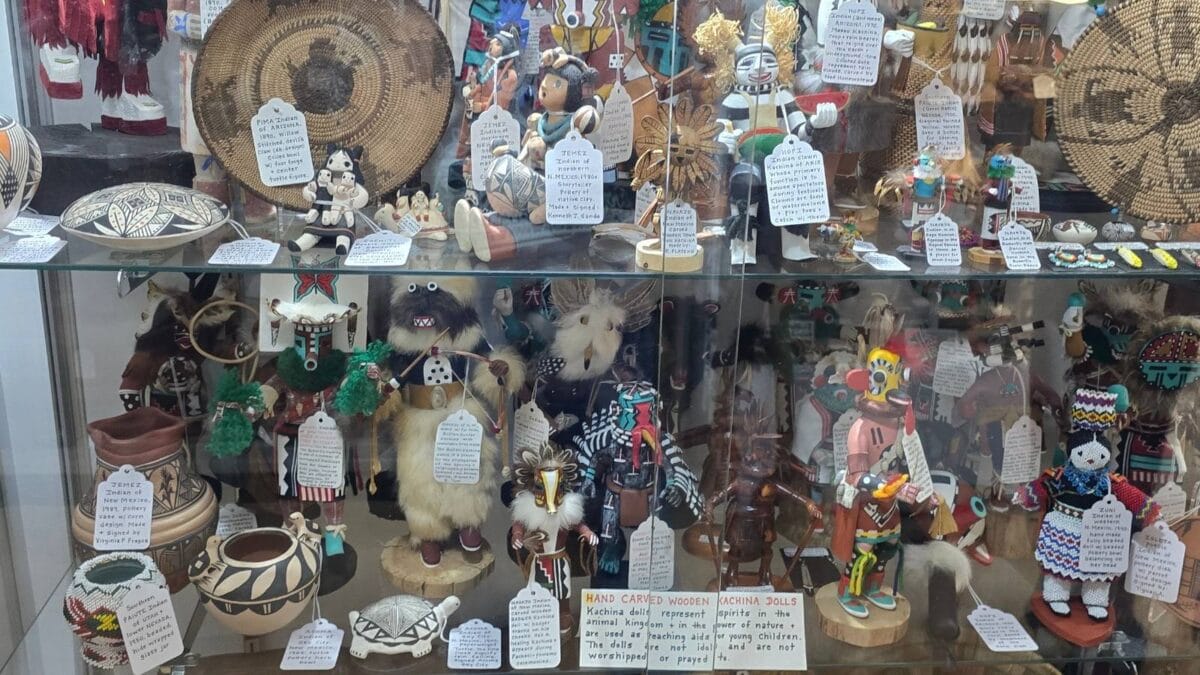
The gift store was a big part of what we enjoyed. We saw many baskets, along with artwork and other handcrafted items available to purchase. It did not feel like the museum was only there to lead you into a store. The two parts worked together, as the museum provided the context to better understand the craft.
It is easy to label every object a souvenir, but we found it better to view each piece as an example of skill, design, and cultural expression. When you examine the baskets, you are seeing the work of dedicated Native American artists. It makes you wonder how much patience goes into making something that is both useful and beautiful. Much like the exhibits managed by the Smithsonian Institution, these items offer a direct link to the creativity and traditions of Native American culture.
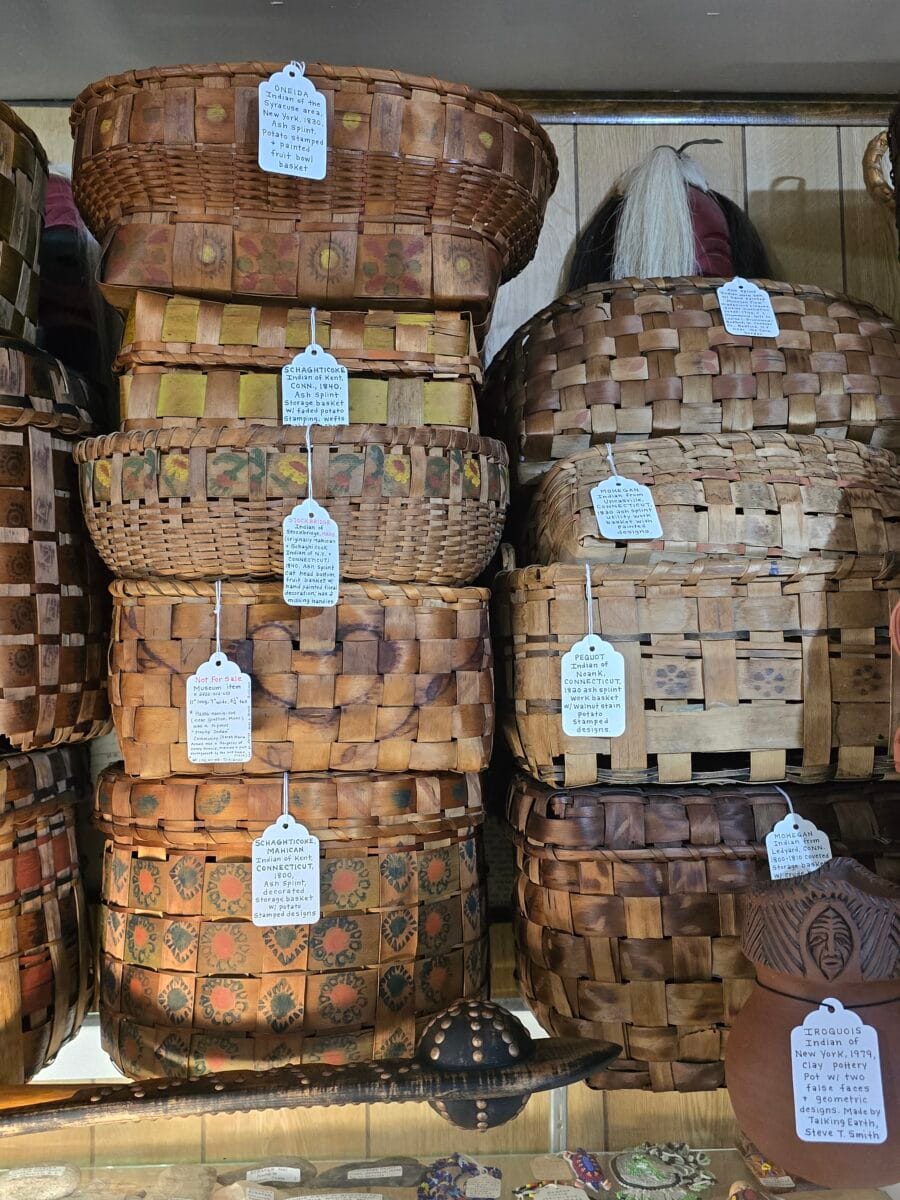
Availability and prices can change, so it makes sense to browse in person. If you are interested in a piece created by one of these Native American artists, do not hesitate to ask questions when appropriate.
Why the setting makes the visit feel different
New Portland is located in rural Maine, and the drive is truly part of the experience. You will find quieter roads, thick woods, and open stretches that feel worlds away from the busy streets of New York City.
That peaceful setting makes the stop feel special. We were not fighting traffic, circling for parking, or trying to navigate a packed downtown area.
Still, rural travel takes a little planning. Do not assume there will be quick food, fuel, or other services right around the corner. We always like to have a full tank and a loose plan before heading into an out-of-the-way part of Maine.
How to Plan a Visit to New Portland, Maine
Before you leave home, check the current details. Rural attractions can have seasonal changes, special closures, or different payment options than larger destinations. Planning a trip to a local spot in Maine is quite different from visiting the National Mall, where logistics are often standardized across the Smithsonian Institution.
The museum is listed at 2 Colegrove Road in New Portland. The Maine tourism listing for Nowetah’s includes an address and phone number, but we would still call ahead or check for current updates before driving over.
Here are a few things we would confirm first:
- Opening days and current hours
- Admission information, noting that while some local spots offer free admission, you should always verify current policies
- Accepted payment methods
- Photography rules inside the museum
- Directions and road conditions for your route
Cell service can get weak in rural Maine, depending on where you are coming from. Download directions before you leave, especially if your phone likes to lose its mind when you need it most. Give yourself extra driving time, too. Back roads can be scenic, but they are not always fast.
What to bring for a quiet countryside museum stop
Comfortable shoes are a good idea, even for a smaller museum visit. We would also bring water, weather-appropriate layers, and a phone or camera if photography is allowed.
While you might be used to the massive scope of the National Museum of the American Indian or the specialized archives found at a Cultural Resources Center, this museum offers a more intimate, local perspective. Give yourself enough time to browse both the museum and the store. This is not the kind of stop we would rush through in 10 minutes before jumping back in the car or motorcycle; in our case, this visit.
A small notebook can also be helpful if you enjoy recording names of places, objects, or future Maine museum stops. We have found that the smaller places are often the ones we forget to write down, then wish we remembered later.
Who will enjoy Nowetah’s, and who may want more time nearby
This stop is a good fit for people who enjoy American Indian museums in Maine, folk art, baskets, and exploring Native American culture. It is a wonderful destination for those interested in the traditions of local tribal communities. It also works well for travelers who prefer something more personal than a large tourist attraction.
Visitors looking for a major cafe, big interactive exhibits, or a full day of entertainment may want to pair it with another confirmed destination. Much like the National Museum of the American Indian, this site requires a bit of foresight, but on a smaller, more personal scale. Check distances and hours first. Rural attractions can be farther apart than they look on a map.
For the latest notices, the museum’s Facebook page may be useful before making the trip.
What Makes Nowetah’s Different From a Typical Gift Shop
The full museum experience is what makes Nowetah’s more than just a quick shopping stop. You can learn first, look around at your own pace, and decide whether you want to bring a piece of history home. While buying an item is optional, we believe the visit is worthwhile even if you only want to spend time with the exhibits.
A handmade object is more interesting when we take time to notice the work behind it.
Native American history and cultural objects deserve curiosity, care, and an open mind. Whether visiting a rural site or the National Museum of the American Indian, the standard for engagement remains the same. Read the provided information, follow museum guidance, and do not touch displays unless invited.
A respectful way to browse and learn
Respectful browsing involves understanding how museums handle historical artifacts. Much like the protocols found at the National Museum of the American Indian, a premier exhibition and education facility, private collections and public institutions alike must prioritize the dignity of the items on display.
While a major Smithsonian museum might address complex topics like the repatriation of ancestral human remains, smaller sites like Nowetah’s provide a different window into history.
It is helpful to remember that major collections, such as those started by George Gustav Heye in lower Manhattan, often form the basis of the Smithsonian Institution. Regardless of the size of the collection, historical artifacts must be treated with reverence.
We recommend reading labels carefully before making assumptions. If you encounter items that appear to be sacred objects, treat them with the same level of care you would expect at the National Museum of the American Indian.
A thoughtful question is always better than a quick guess, as handmade pieces often hold deep meaning.
Why we would return on another Maine road trip
What stayed with us was the combination of a genuine museum environment, a wide array of baskets and sale items, and the peaceful rural setting. It felt significantly more enriching than a typical scenic pull-off.
We would return because this space provides a rare reason to slow down and look closely at the materials before us. Much like the educational mission of a Smithsonian museum, Nowetah’s encourages a deeper connection to the culture and history of the region, ensuring that our road trips leave room for reflection and learning.
Frequently Asked Questions
Is Nowetah’s American Indian Museum suitable for all ages?
Yes, it is a welcoming space for anyone interested in Native American history and culture. However, since it is a quiet, contemplative environment, it is best suited for visitors who can appreciate a slower-paced educational experience.
Do I need to buy anything in the gift store to visit the museum?
No, buying items in the store is entirely optional. The museum and the gift store are designed to work together to provide context, but you are welcome to spend time with the exhibits even if you do not plan on making a purchase. However, do note that you do need cash to make a purchase. They do not accept credit cards.
Should I call ahead before visiting?
Definitely. Because this is a smaller, rural attraction, it is important to verify their current operating hours, admission policies, and availability before driving out, as these details can change seasonally.
How does this museum compare to the National Museum of the American Indian?
While the National Museum of the American Indian is a massive, world-class institution with extensive resources, Nowetah’s offers a smaller, more intimate setting. It provides a unique, local perspective that focuses on a personal connection to Indigenous traditions rather than the large-scale, high-traffic experience of a Smithsonian facility.
A Small Maine Museum Worth the Drive
Nowetah’s American Indian Museum and Gift Store is a meaningful stop for anyone who enjoys smaller Maine museums and rural travel. While you might visit a grand Smithsonian museum in a major metropolitan area, this intimate location offers a unique perspective on Indigenous peoples that you simply cannot find elsewhere.
It is helpful to consider what Nowetah’s is not. It is an authentic, community-focused exhibition and education facility rather than a sprawling complex like the National Museum of the American Indian. You will not find the massive scale of the National Native American Veterans Memorial here, nor will you sit down for a meal at a place like the Mitsitam Native Foods Cafe.
Instead, it provides a quiet, personal connection to tribal communities that feels worlds away from the busy, high-traffic corridors of New York City.
For those accustomed to the scale of the National Museum of the American Indian in New York City, or perhaps a trip to the Alexander Hamilton U.S. Custom House in lower Manhattan, this Maine stop offers a refreshing change of pace.
While the Alexander Hamilton U.S. Custom House is a landmark of grand architecture in lower Manhattan, Nowetah’s captures a localized spirit that larger institutions in New York City sometimes lack. The Alexander Hamilton U.S. Custom House serves as a hub of history in lower Manhattan, but the charm of rural Maine invites a more contemplative pace.
Plan Ahead
Plan ahead, confirm current hours and visit details, and give yourself time to enjoy the drive. By honoring the heritage of local Indigenous peoples, this museum proves that the most memorable travel experiences often come from the smallest destinations. Maine has plenty of lesser-known places like this, from moose-spotting destinations to quiet country drives, and they are frequently the ones we remember most.
Disclosure: Some content on this Rural Area Life blog has been created with AI assistance and verified by me. Some links are affiliate links, from which I may earn a commission from qualifying purchases at no additional cost to you.

Lisa moved from Southern New England to the rural mountains of Maine in 2020 with her husband. Drawing from her hands-on experience with slower-paced rural living, she shares the beauty, honest realities, and simple pleasures of life in the Maine woods, along with their rural travels across the United States and abroad.