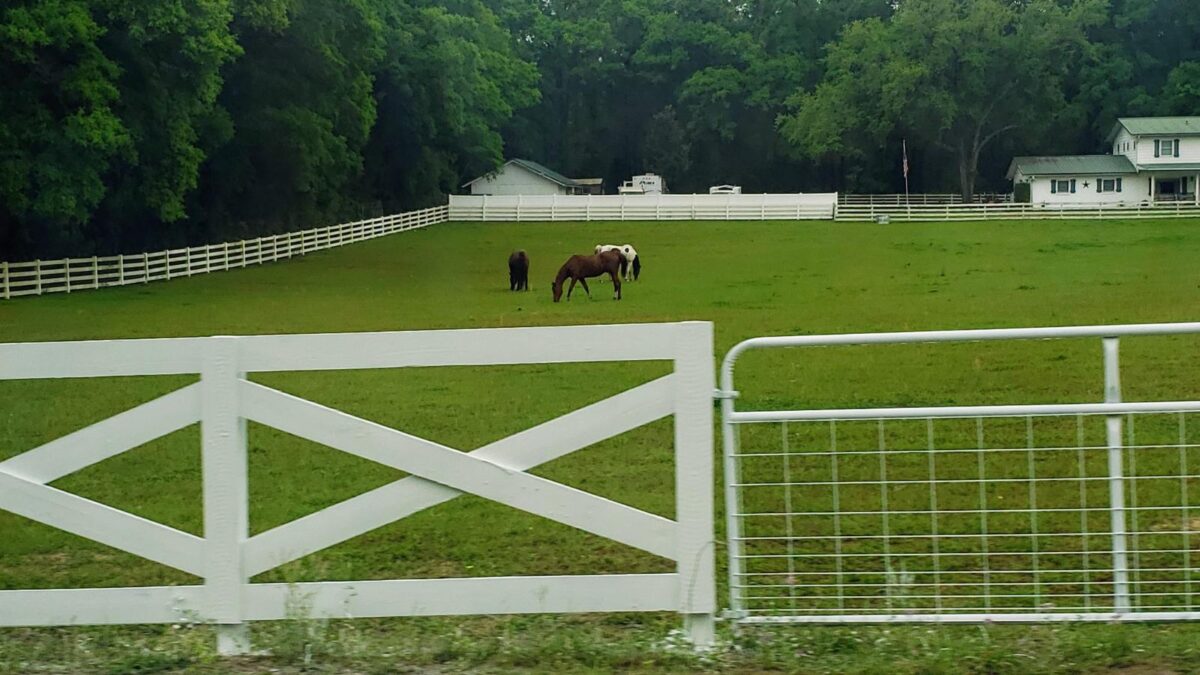
Have you ever driven through Florida’s northern or central regions and wondered about the ranch vs farm difference? On our recent East Coast road trip, we rolled past sprawling pastures dotted with cattle and neat rows of citrus and vegetables. The ranches and farms we saw told powerful stories of hard work, resilience, and Florida’s unique agriculture.
The short answer: A farm is land primarily used to grow crops, raise animals, or do both. A ranch typically focuses on raising grazing livestock (like cattle or horses) on pastureland, often requiring more open space. The terms frequently overlap, and many properties function as both; size alone doesn’t define them.
Key Takeaways: Ranch vs Farm in Florida
- Core Difference: Farms focus on growing crops (or a mix of crops and animals), while ranches primarily raise grazing livestock on pasture. The terms often overlap. A property can be both.
- Size Isn’t Everything: Ranches often need more land for grazing, but a small horse property can be a ranch, and a large operation growing crops can be a farm. Focus on primary use, not just acreage.
- Florida Realities: Expect heat, humidity, sandy soils, irrigation needs, and hurricane risks. Cattle ranches thrive in pasture regions; citrus, vegetables, and strawberries dominate many farms. UF/IFAS Extension offers excellent local guidance.
- Daily Life: Farm work tends to be more seasonal (planting/harvesting). Ranch work requires consistent daily animal care, fence maintenance, and pasture management, both are demanding full-time commitments.
- Buying Considerations: Prices vary widely by location, size, water access, and improvements. Check ag zoning, flood zones, soil quality, and operating costs. Averages (USDA 2025 data) are rough guides only. Do your due diligence.
- Lifestyle Fit: Choose a farm if you love gardening and seasonal rhythms. Opt for a ranch if you enjoy working with livestock and open spaces. Neither is “easy”, both reward those prepared for rural challenges.
- Our Road Trip Insight: The grand ranches and productive farms we saw highlight Florida’s vibrant agriculture. They’re more than scenery, they’re working lands sustaining families and the economy.
Ranch vs Farm Comparison
| Feature | Farm | Ranch |
|---|---|---|
| Main Purpose | Growing crops, raising animals, or both | Raising grazing livestock on pasture |
| Common Florida Examples | Citrus groves, vegetable fields (tomatoes, peppers), strawberries | Cattle operations, horse properties, cow-calf ranches |
| Land Needs | Soil quality, irrigation, drainage | Large pastures, water sources, fencing |
| Daily/Seasonal Work | Planting, irrigating, harvesting (often seasonal) | Daily animal care, fence/pasture maintenance (year-round) |
| Equipment | Tractors, planters, harvesters, irrigation | Fencing tools, trailers, feeders, ATVs |
| Income Sources | Crops, dairy, eggs, direct sales, agritourism | Livestock sales, breeding stock, hay |
Note: Many Florida properties blend both—e.g., a ranch growing hay for its herd or a farm with pasture-raised animals.
Exploring Ranches in Florida
During our road trip to Florida, we encountered several varieties of ranches that offered a glimpse into the Sunshine State’s agricultural lifestyle.
The distinctive features, animals, and farming practices observed at each ranch provided an example of experiences that highlighted the diversity of Florida’s rural landscape.
We were amazed at the size of the ranches as we passed many farms driving down the rural roads in northern Florid The ranches and the homes on them were clearly much larger and grander.
What Is a Ranch?
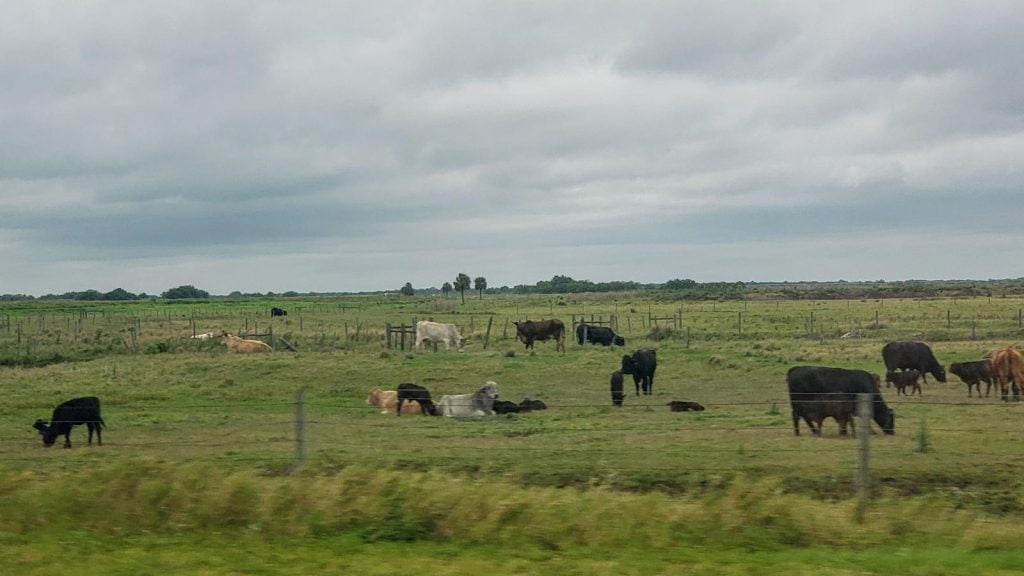
At the first ranch we passed, the sprawling fields stretched as far as the eye could see, dotted with grazing cattle under the shade of towering oak trees. The ranchers clearly took pride in sustainable practices, using rotational grazing that supported animal welfare and land conservation.
They raised heritage breed cattle known for their resilience to Florida’s heat and humidity, thriving on the native grasses that covered the pastures. We also noticed their barns and fences were noticeably larger and newer compared to many of the farm buildings we saw.
What Is a Farm?
Our attention soon shifted to the distinct world of Florida farms, which offered a fascinating contrast to the ranches.
The farms we saw featured neat rows of crops; from citrus groves heavy with oranges and grapefruits to fields of tomatoes, bell peppers, and other vegetables. The care and precision in cultivating these crops were evident, reflecting the dedication of the farmers.
Equipment ranged from traditional tractors to modern machinery, showing a blend of old and new techniques that differed from many of the older farms we’ve seen in the northern East Coast.
Ranch vs Farm at a Glance
Our farm views during the road trip provided a fascinating glimpse into Florida’s diverse agricultural scene. The farms we saw featured neat rows of citrus fruits like oranges and grapefruits, along with staple vegetables such as tomatoes and bell peppers.
The meticulous care in cultivating these crops was clear, reflecting the hard work and dedication of Florida farmers. Equipment ranged from traditional tractors to more modern machinery, highlighting a blend of tradition and innovation.
Many of these farms stood in contrast to the older equipment and weathered barns we often see on farms further north on the East Coast.
Land Needs: Why Ranches Often Require More Space
While size alone doesn’t define a ranch or farm, ranches frequently need larger acreages because grazing livestock require ample pasture to roam, forage, and maintain health. In Florida, this often means hundreds of acres to support sustainable rotational grazing on native grasses and improved pastures.
Farms, on the other hand, can often operate successfully on smaller plots through more intensive land use: Such as row crops, citrus groves, or vegetable fields that benefit from irrigation, soil amendments, and careful spacing.
That said, there’s plenty of overlap:
- A small horse property with good fencing and pasture may be called a ranch.
- A large farm may include significant pasture for livestock.
- Many Florida operations function as both, growing hay on part of the land while grazing cattle on the rest.
Key factors that matter more than total acres include pasture quality, reliable water sources, fencing, drainage, shade trees, and soil type. In Florida’s climate, access to water and storm resilience become especially important for both farms and ranches.
Ranch vs Farm at a Glance
Our farm views provided a fascinating glimpse into Florida’s agricultural scene. The farms we saw boasted an array of crops, from citrus fruits like oranges and grapefruits to staple vegetables like tomatoes and bell peppers.
The meticulous care and precision in cultivating these crops were evident, mirroring the dedication and hard work of the farmers we saw on our travels.
Moreover, the equipment used on these farms ranged from traditional tractors to state-of-the-art machinery, underscoring the blend of tradition and innovation in modern agricultural practices.
They differed from the farms we see in the northern part of the East Coast. Many are old and run with older equipment and falling-down barns.
Challenges Faced by Florida Ranchers and Farmers
Climate
Ranching and farming in Florida come with unique hurdles shaped by the state’s climate and geography. Heat and high humidity stress both crops and livestock, while sandy soils in many areas drain quickly and require careful irrigation and fertilization to stay productive.
During our road trip, one of the first towns we passed was still largely boarded up from a hurricane the previous year. The visible damage served as a stark reminder of how tropical storms and hurricanes can devastate agricultural operations.
High winds and flooding can destroy citrus groves, flatten vegetable fields, damage barns and fencing, and leave livestock without shelter or clean water. Even after the storm passes, power outages and disrupted supply chains make recovery slow and expensive.
Droughts are another major concern. When rainfall is scarce, pastures suffer, forcing ranchers to buy expensive supplemental hay and feed. Heavy rains, on the other hand, can cause flooding, soil erosion, and increased disease pressure in both crops and animals. Mosquito pressure and tropical pests add another layer of difficulty.
Markets
Market fluctuations, rising input costs (fuel, feed, insurance), and labor shortages affect both ranchers and farmers. However, the unpredictable weather often hits Florida operations harder than those in many other states.
Despite these challenges, many producers adapt through sustainable practices like rotational grazing, improved pasture management, and weather-resilient crop varieties, with valuable guidance available from the University of Florida IFAS Extension.
Evolving Consumer Preferences
Consumer preferences are evolving, driving innovation and transformation in agriculture. From a growing demand for locally sourced produce to an increased interest in sustainable farming practices, farmers in Florida are responding to these shifts.
By connecting directly with consumers through farmer’s markets, community-supported agriculture (CSA) programs, and online platforms, producers can cater to a more discerning audience.
In this changing landscape, the future of agriculture in Florida holds promise for those willing to embrace change, adapt to new technologies, and prioritize sustainability.
By staying attuned to evolving consumer preferences and diversifying their operations, farmers and ranchers are cultivating crops and nurturing a thriving food supply for generations to come.
Average Price of Ranches in Florida
How Much Do Florida Farms and Ranches Cost? As we admired the large homes on those ranches, we naturally wondered about purchase prices. Costs vary enormously depending on location, acreage, water access, buildings, and improvements.
Recent USDA data shows Florida farmland averaging roughly $7,200–$8,500 per acre (higher for irrigated cropland, lower for pasture). A small family property can cost far less than a large commercial ranch. Always research current listings and factor in ongoing costs like insurance, feed, and maintenance.
Conclusion: Ranch vs Farm
Driving past those grand ranches with their vast pastures and the productive farms lined with citrus groves and vegetable fields during our Florida road trip left a lasting impression. What started as simple curiosity about the ranch vs farm difference turned into a deeper appreciation for the dedication, resilience, and day-to-day realities behind Florida’s agricultural landscape.
Whether you’re drawn to the seasonal rhythms of planting and harvesting on a farm or the hands-on animal care and open spaces of ranch life, both offer rewarding — yet demanding, paths to rural living. From our own experience transitioning to rural Maine, we know that the right choice depends on your lifestyle, interests, skills, and willingness to embrace the challenges along with the beauty.
Have you ever lived on a farm or ranch, or are you considering it? Which appeals to you more — farm life or ranch life? Share your experiences below! 👇
Frequently Asked Questions About Ranches and Farms in Florida
What is the main difference between a ranch and a farm?
A farm primarily grows crops, raises animals, or does both. A ranch focuses on raising grazing livestock (such as cattle or horses) on pastureland. The two terms often overlap, and many Florida properties function as both.
Is a ranch always bigger than a farm?
Not necessarily. Ranches often require more land because grazing animals need room to roam and feed, but size alone doesn’t define them. A small horse property can be called a ranch, while a large vegetable operation is typically a farm.
Can a farm raise livestock?
Yes. Many farms raise animals alongside crops (e.g., chickens, goats, or dairy cattle). Some cattle operations are called farms or ranches depending on the region and primary focus.
Can a ranch grow crops?
Yes. Ranches commonly grow hay or other forage to feed their livestock. Some mixed-use properties combine grazing with crop production.
What does a typical day look like for a Florida farmer vs. rancher?
Farmers often focus on seasonal tasks like planting, irrigating, and harvesting crops. Ranchers provide daily care for livestock, including feeding, health checks, fence maintenance, and pasture management. Both roles involve hard work and can be full-time.
What are common crops and livestock in Florida?
Florida farms produce citrus (oranges, grapefruits), vegetables (tomatoes, bell peppers, strawberries), and more. Ranches primarily raise beef cattle, with some focusing on horses or other livestock adapted to the warm climate.
How much land do you need for a ranch or farm in Florida?
It varies widely. A small family farm or hobby ranch might need just a few acres, while commercial cattle ranches often span hundreds or thousands of acres. Key factors include pasture quality, water access, and intended use.
How much do farms and ranches cost in Florida?
Prices vary significantly by location, size, improvements, and water features. Recent USDA data shows Florida farmland averaging around $7,200–$8,500 per acre (higher for irrigated cropland, lower for pasture). Always verify current local listings and consider ongoing costs like insurance and maintenance.
What should I consider before buying rural land in Florida?
Check zoning and agricultural tax exemptions, water access and drainage, flood/hurricane risk, soil quality, fencing and buildings, proximity to vets/feed suppliers, and your comfort with daily chores. Visiting during different seasons is highly recommended.
Is ranch or farm life right for me?
It depends on your interests. Farms suit those who enjoy gardening and seasonal work. Ranches appeal to people who love working with animals and open spaces. Both require dedication, physical work, and a willingness to handle challenges like weather and market fluctuations.
Disclosure: Some content on this Rural Area Life blog has been created with AI assistance and verified by me. Some links are affiliate links, from which I may earn a commission from qualifying purchases at no additional cost to you.

Lisa moved from Southern New England to the rural mountains of Maine in 2020 with her husband. Drawing from her hands-on experience with slower-paced rural living, she shares the beauty, honest realities, and simple pleasures of life in the Maine woods, along with their rural travels across the United States and abroad.