If you’re thinking about moving out of the city, the word rural may seem simple at first. In the U.S., though, the rural definition changes depending on who sets the rules, because agencies use different measures like population, density, and land area.
This guide helps you sort out what rural really means, plus what to expect from rural living, the good, the hard, and the habits that make it work.
Key Takeaways
- A rural area is a place with low population density, more open land, and a greater distance between homes, businesses, and services.
- In the U.S., “rural” often refers to areas outside towns, suburbs, and urban centers, but the exact definition can vary across agencies and data sources.
- Rural living usually includes longer travel times, fewer nearby services, and stronger ties to land, weather, and local community resources.
- A rural definition should combine official criteria with real-life traits, such as space, infrastructure, access to essentials, and day-to-day lifestyle differences.
- Understanding what counts as rural helps readers make better choices about housing, commuting, preparedness, and daily living.
Rural Definition by Population Density
One common way to define a rural area is by population density. The Census Bureau defines three categories of density: urbanized areas, urban clusters, and rural areas.
- An urbanized area must have a population of at least 50,000 people and a population density of at least 1,000 people per square mile.
- An urban cluster must have a population of at least 2,500 but fewer than 50,000.
- A rural area is any territory not part of an urbanized area or cluster.
Why Rural Definitions Matter
Rural definitions matter because they shape what you can access, what gets funded, and how your community is understood. If an area is labeled rural, you may qualify for certain loans, grants, health programs, school support, or broadband projects.
If it isn’t, those options can shrink fast, even when daily life still looks and feels rural. That also affects research, maps, and policy, so the way officials define rural can change how people measure poverty, travel time, housing needs, and emergency response.
In other words, the label isn’t just technical, it’s practical. When you know how rural is defined, you can better judge whether services fit your area, why gaps exist, and what support you can realistically expect.
Rural Land Area
Another common way to define a rural area is by land area. The Department of Agriculture (USDA) describes two rural regions: open countryside and small towns. Open countryside is any territory with less than 1,000 people per square mile, AND more than one-third of the territory is non-urban land (e.g., farms, forests, or ranches).
Small towns are any territory with fewer than 2,500 people, and more than 50 percent of the territory is non-urban land.
Urban Area
The term “urban” refers to densely populated areas with high levels of development. However, the United States has no formal definition of an urban area.
Sometimes, federal agencies use terms like “metropolitan” or “micropolitan” to describe densely populated areas.
Cities
Metropolitan areas have at least one city with a population of 50,000 or more, AND they include the surrounding county territory that is highly integrated socially and economically with that city.
Micropolitan areas have at least one city with a population between 10,000 and 50,000, and they include the surrounding county territory that is highly integrated socially and economically with that city.
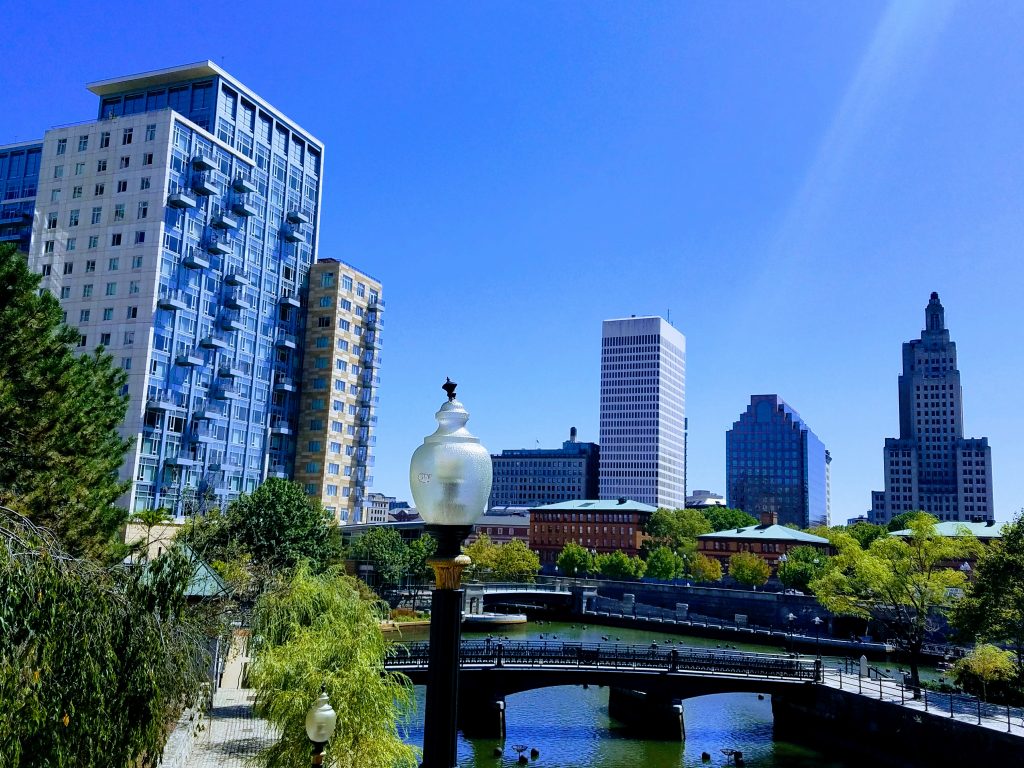
Rural Definition vs. Urban Area
It’s important to note that definitions of urban and rural can vary by source. For example, the Census Bureau includes places such as prisons and military bases when defining an urbanized area.
This is how they do it, even though those places are not as “urban” by most people’s standards.
When you look at data about rural and urban areas, pay attention to how the information was gathered and how each term is defined. The meaning of “rural” in one country might be very different from that in others. Always see the details first, so you know exactly what the numbers mean.
The definitions of rural and urban areas in the United States vary from one area to another.
Conclusion: Rural Area Definition
In short, there is no definitive answer to the question, “What is considered a rural area in the United States?” Federal agencies such as the Census Bureau and the USDA use different criteria to define rural areas.
However, it’s essential to know how the data you’re looking at is collected before drawing any conclusions.
There are some differences between rural and urban areas. Rural areas are less densely populated than city areas. They often have more land used for agriculture or natural habitats than city areas, which are more developed with buildings and roads.
What other rural definition would you add to these rural definitions above?
Frequently Asked Questions About Rural Definition
What is the basic definition of a rural area?
A rural area is a place with fewer people, more open space, and less development than a city or suburb. Homes and services are usually spread out, and daily life often involves greater distances to work, school, stores, and medical care.
How is a rural area different from a suburban area?
A suburban area usually sits near a city and has more housing density, more roads, and easier access to stores and services. By contrast, a rural area has more land, fewer people, and longer drives for many basic needs.
Is there one official U.S. definition of “rural”?
No, there isn’t just one definition. Different government agencies and research groups use different standards, often based on population size, population density, or distance from urban centers. That’s why two sources may describe the same place a little differently.
What are common signs that a place is rural?
Common signs include low population density, open land, fewer public services, limited public transit, and longer travel times. In many rural areas, people also rely more on personal vehicles, local networks, and home-based preparedness.
Why does the definition of rural matter?
The definition matters because it shapes how people understand lifestyle, access to resources, infrastructure, and local challenges. It also affects planning decisions, public funding, research, and whether a reader feels the article matches their real-life experience.

Lisa moved from Southern New England to the rural mountains of Maine in 2020 with her husband. Drawing from her hands-on experience with slower-paced rural living, she shares the beauty, honest realities, and simple pleasures of life in the Maine woods, along with their rural travels across the United States and abroad.