
If you are looking to move to a rural area, should you buy rural land for sale to live there? What are the disadvantages and advantages of doing so?
Or are you better off purchasing a rural-area home that is already situated on land?
This blog post will give you both sides of buying rural land.
The Advantages of Buying Land In Rural Areas
More Affordable
One of the most obvious advantages of buying rural land for sale is that it’s typically much cheaper than purchasing property in an urban area.
If you’re looking for a more affordable cost of living, rural land is definitely worth considering. However, if you are looking at rural areas in a resort community, prices may be much higher.
Disconnect From All
Additionally, suppose you enjoy peace. In that case, you’ll find that living in a rural area provides plenty of opportunities to disconnect from the hustle and bustle of city life.
Living in a rural area can provide a sense of tranquility and solitude. However, for those who desire to disconnect from others, there are a few strategies that can be implemented.
Spending time outdoors and engaging in activities such as hiking or gardening can create a physical and mental distance from social interactions.
Lastly, developing a routine that involves solitary activities like reading or writing can further create a sense of disconnection. By implementing these strategies, individuals living in rural areas can effectively disconnect from others and embrace a more secluded lifestyle.
Large Lots To Build On Rural Land
If you have your heart set on owning a large piece of property, buying rural land is also a great option, as plots tend to be larger in less populated areas.
Some rural areas have ordinances requiring at least 5 or 10 acres before building a new home. Other areas may include more acreage for building.
Build Your Own Style of Home
By having your own land to build a house on, you can create any style. From a log home to a modern Contemporary home, that choice is yours. (Unless you buy in a homeowners association, beware!)
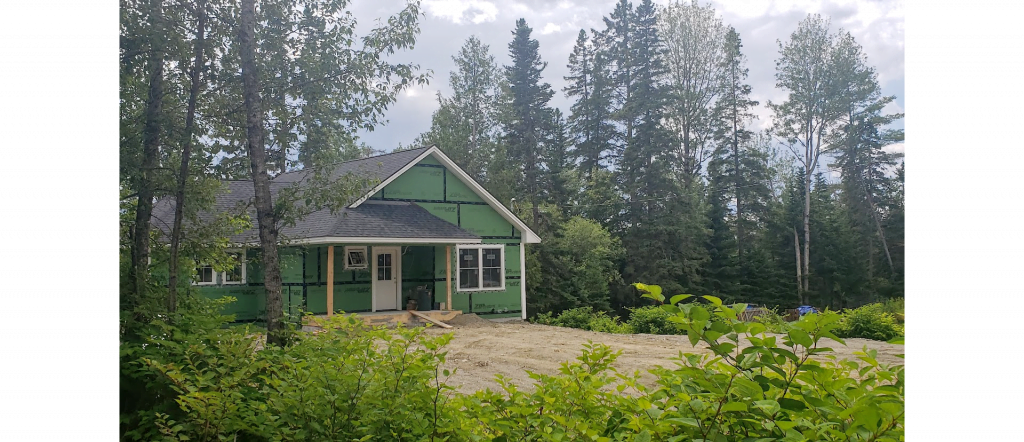
Of course, there are also some disadvantages to take into consideration before making your final decision to buy rural land.
Larger Area For Animals
If you love animals like horses, cows, or chickens, having a large parcel of rural land could accommodate that. Of course, you may want to check with your local town by-laws on having them.
Some areas may be stricter than others on how many animals you may own per acre. You may not be able to have more than two dogs, etc.
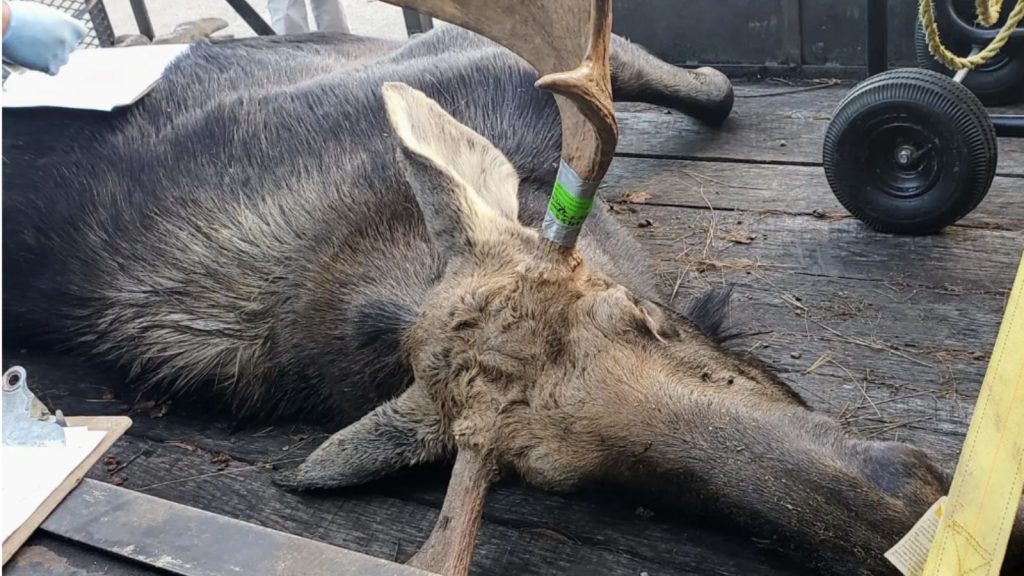
Buy Rural Land For Hunting
If you or your family love to hunt, purchasing a large piece of rural land could be an excellent place for hunting season. However, if you don’t want anyone else to hunt on your property, be sure to place signs at entry points.
Again, check with your local authorities or a realtor if you want to buy rural land for hunting.
The Disadvantages of Buying Rural Land for Sale
Far From Amenities
The potential downside to buying rural land for sale is that it can be more challenging to access amenities that are taken for granted in urban areas – like grocery stores, hospitals, and schools.
This is especially true if you’re planning on living in a very remote location. Not only that, but in extreme weather, it may be harder to get around and out of the area during winter or mud seasons.
Fewer Jobs Available
Another potential drawback is that it may be more challenging to find gainful employment in a rural area, as there tend to be fewer job opportunities. However, today, that is not as true as we see help-wanted signs everywhere in our rural town.
Oftentimes, stores or restaurants have to close early because they lack the help needed to run them, sadly. If we have to drive any distance to a store or restaurant, I always call first.
Internet Challenges Working From Home
Depending on which areas you go to, you may find it challenging to access internet service. Many people in the early 2020s wanted to move away from cities but found that in rural areas, they could not always log on to their computers to work.
However, in 2024, that has changed in many rural communities across the country. We got FIOS almost 2 years ago, and it’s been a tremendous asset for our business at home.
But I just read that in some rural areas, Starlink is increasing rates.
Finding Builders To Build Your Home
Finding builders to construct homes in rural areas often takes longer than in urban areas. The primary reason for this delay is the limited availability of skilled builders in these remote regions.
Due to the lower population density, fewer construction professionals specialize in rural building projects. As a result, the pool of qualified builders is smaller, making it more challenging to find suitable contractors for home construction.
Additionally, the distance between rural areas and urban centers often deters builders from taking on projects in remote locations. The logistics and transportation costs of operating in rural areas can be higher, making it less attractive for builders to invest time and resources.
Consequently, the combination of a smaller talent pool and logistical considerations leads to a more extended search for builders in rural areas when buying rural land.
More Expensive To Build When You Buy Rural Land
Since materials have to be trucked further away from your location, the price of building a new home on purchased rural land may be higher.
Not only that, but to view windows, doors, etc., you may have to drive far unless you can do it online and feel comfortable with your purchases.
However, learn how much an acre is in the area you are looking at, as it can bring down your total cost of the property once built.
What States Can You Purchase Rural Land In?
Some of these states may surprise you, as when you think of rural land, you may think of the Midwest only.
Here are some states where you can find rural area land for sale:
- Alaska
- Virginia
- Maine
- Vermont
- West Virginia
- Tennessee
- Mississippi
- Montana
- Arkansas
- South Dakota
- Kentucky
- Alabama
- Pennsylvania
Conclusion: To Buy Rural Land or Not
So, should you buy rural land for sale? Ultimately, the decision comes down to what’s most important to you and your family.
If you’re looking for a more affordable cost of living and the opportunity to own a large piece of land, buying rural land is definitely worth considering. It may cost less per acre in rural areas.
You can also learn more about USDA loans to save you money when you are ready to buy land in rural areas.
However, if you’re someone who prefers convenient access to amenities and job opportunities, an urban area may be a better fit for you. We hope this blog post has helped give you some food for thought as you make your decision!
Have you ever purchased rural land?
FAQ Key Questions About Buying Rural Land Before You Commit
How do I know if the land is zoned for what I want to do?
Start by asking the county planning or zoning office what the parcel is zoned for. Please give them the parcel number and ask which uses are allowed by right and which require a special permit.
If you want to build a home, ask if single-family homes are allowed and what size rules apply. If you hope to run animals, short-term rentals, or a home-based business, ask about limits on noise, traffic, and the number of animals.
Zoning can change from one side of the road to the other, so never assume a use is allowed just because a neighbor is doing it. Get it in writing or in an official document from the county.
What should I check about access, roads, and driveways?
You need legal access (on paper) and practical access (you can actually get there). Ask:
•Is there a recorded easement or a public road touching the property?
•Who maintains the road, the county, a road association, or no one?
•Is the road plowed in winter and passable after heavy rain?
If you will need a new driveway, talk with the county road department. Ask where a driveway can go, whether you need a permit, and whether the sight lines for traffic are safe. In some rural areas, a steep or poorly placed driveway can add thousands to your costs.
How do utilities work on rural land without city service?
In many rural areas, there is no city water, sewer, or even power at the lot line. Before you buy, ask each provider what it would cost to connect, or if connecting is even possible.
Common options include:
•Electric power: overhead or underground lines, or off-grid with solar and batteries.
•Water: drilled well, shared well, hauled water, or nearby water system.
•Sewer: septic system, lagoon, or composting toilet system where allowed.
•Internet: fixed wireless, satellite, cellular hotspot, or local fiber if you are lucky.
Ask neighbors what they use and how reliable it is. That quick chat can tell you more than a sales flyer.
How can I finance To buy Rural land, and is it more complicated than buying a house?
Buying land is different from buying a house with a standard mortgage. Many big lenders do not like vacant land, or they want a large down payment.
Common options include:
•Local banks or credit unions that know rural property.
•Farm Credit or agricultural lenders, especially for larger tracts.
•Owner financing, where the seller acts as the bank.
•Construction loans, if you plan to build soon after purchase.
Expect to see higher interest rates, shorter loan terms, and larger down payments than for a city home. It helps to talk with lenders early, so you know your budget before you fall in love with a piece of land.
What should I consider about taxes, resale value, and long-term costs Before You Buy Rural Land?
Look up the current property tax bill, but also ask the county how taxes might change if you build a home or remove any special farm or timber status.
Think about:
•Long-term road, driveway, and culvert upkeep.
•Well, septic and heating system maintenance.
•Insurance costs are exceptionally high in wildfire or flood zones.
•For resale, consider how often similar rural properties in the area sell and how long they stay on the market. If you think you may move again, buy land in an area with at least some steady demand, not just a low price.

Very helpful considerations, Lisa! I’m on the hunt for priory, although not ready to buy yet, but am looking at rural West Virginia areas. Having internet access and medical available are keys for me. I do want to be remote, isolation, but don’t want to drive 2 hours to the nearest hospital.
I did not know about the USDA loans. Appreciate you sharing that. It’s that so.ething you would consider in purchasing land?
Thanks for sharing!
Thank you Bren. Oh yes, we looked in West Virginia and there was no phone service or GPS, good thing we found someone outdoors when we needed directions to get back to main road after looking at a property up in the mountains there. Very beautiful though. We have had to drive an hour to our hospital but our new land is only 20 minutes away from one. No, they need so much paperwork and personal info and it is hard to qualify unless you are in or near poverty level. Thanks for coming Bren and have a great day.