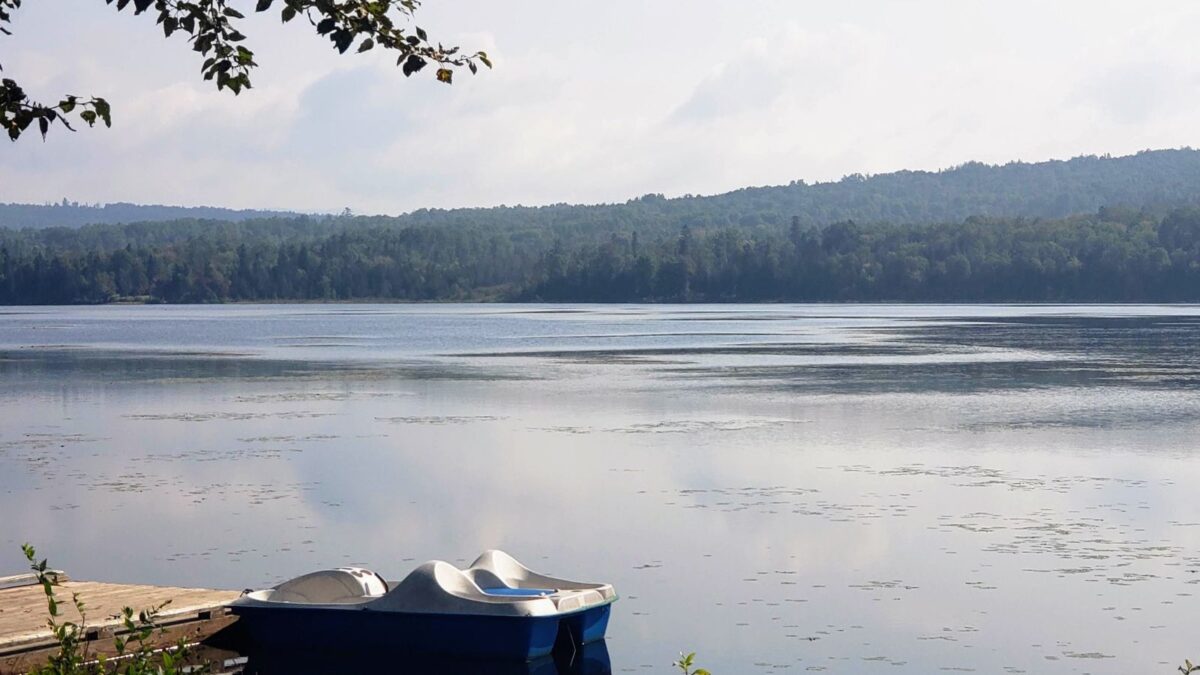
Rural tourism offers a unique opportunity to live authentic experiences in off-the-beaten-path locations. Are you seeking to escape the hustle and bustle of urban life and immerse yourself in the tranquility of nature? Look no further.
In this blog post, I will explore the wonders of rural tourism, from picturesque landscapes to caverns and encounters with local communities. Discover the charm of hidden gems that thrive in these untouched destinations.
Get ready to embark on a journey of discovery as I unveil the treasures of rural tourism, as we live in a rural tourist town ourselves.
The video below was our trip to upstate New York to see caverns and ride the zipline!
What You Need to Know
- Rural tourism is travel to the countryside or small-town areas where visitors connect with nature, local culture, and a slower pace of life.
- Trips to rural areas often include outdoor activities like hiking, fishing, skiing, and wildlife watching, along with authentic food, history, and local events.
- Off-the-beaten-path destinations help travelers avoid crowds, enjoy quiet surroundings, and experience rural communities.
- Rural tourism supports local economies by generating income for small businesses, creating jobs, and helping preserve cultural traditions and historic sites.
- Travelers need to plan for limited infrastructure, changing business hours, and transportation gaps, especially in areas without public transit or strong internet access.
What Is Rural Tourism?
Rural tourism is an emerging trend in the travel industry that offers travelers an opportunity to explore off-the-beaten-path locations and experience authentic, immersive experiences in rural areas.
This style of tourism focuses on connecting with nature, embracing local culture, and escaping the hustle and bustle of urban life.
We are close to the Appalachian Trail, which draws many tourists each year to hike. Not only that, but we live near many lakes and hiking trails that are also used for snowmobiling in the winter.
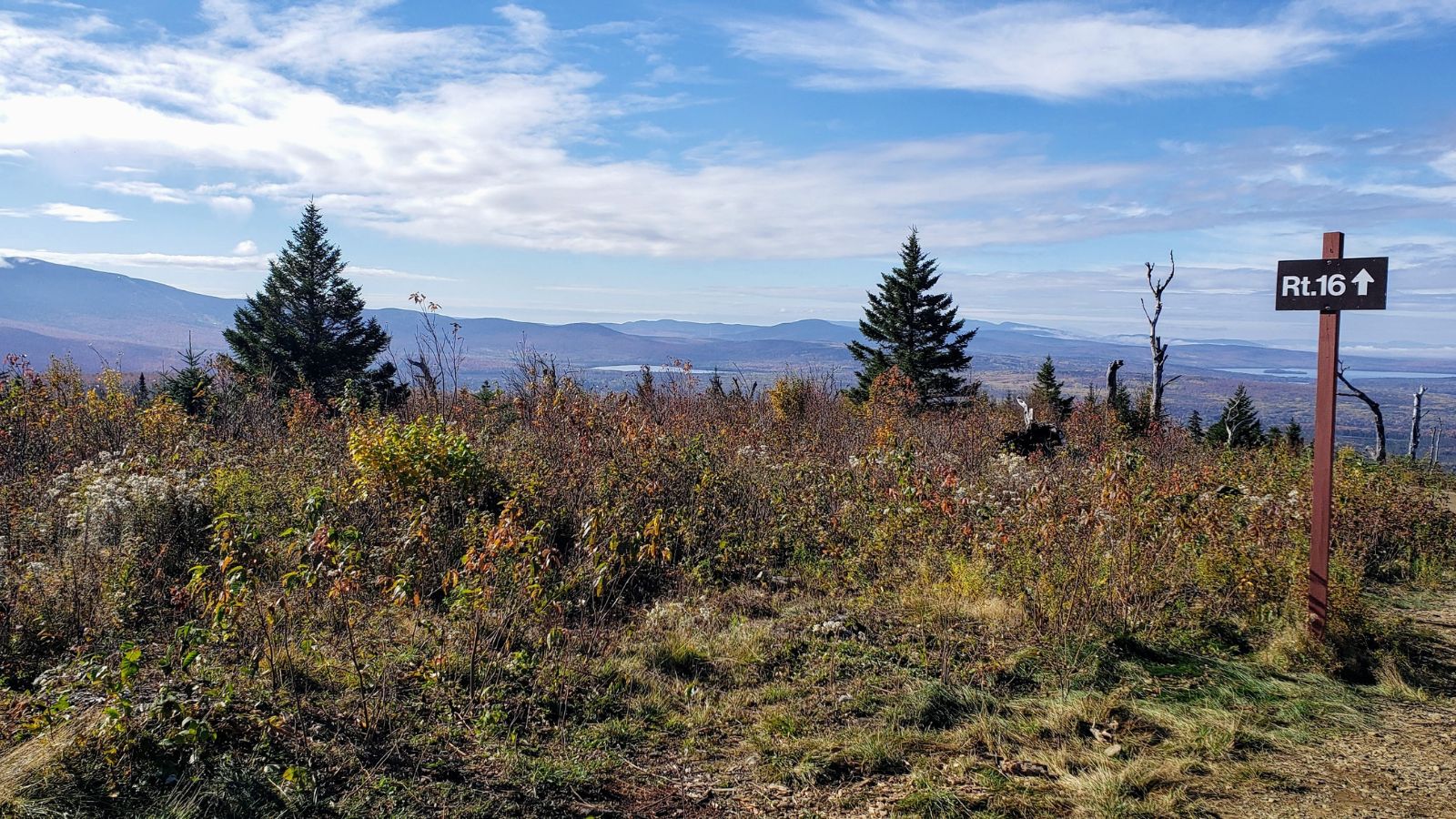
We have tourists in both summer and winter. Furthermore, we are within an hour of 3 ski areas and less than 20 minutes from one. The video below is from my hike up the mountain in Maine a few weeks ago.
Definition of Rural Tourism
Rural tourism is a form of travel that takes place in rural areas, often in small villages or countryside destinations. It involves activities such as hiking, boating, fishing, hunting, skiing, snowmobiling, driving 4x4s on trails, and participating in local events.
The goal is to establish a meaningful connection with the rural environment, allowing tourists to gain a deeper understanding of the local way of life.
Exploring Authentic Experiences
One of the primary attractions of rural tourism is the opportunity to experience the authentic way of life in these off-the-beaten-path locations. Unlike popular tourist destinations, rural areas offer a glimpse into the untapped natural beauty that often goes unnoticed.
By participating in local traditions, tourists can gain firsthand knowledge of traditional crafts, regional cuisine, and customs.
Benefits of Rural Tourism
Rural tourism benefits not only travelers but also local community businesses. Rural tourism provides economic opportunities for locals, helping to sustain the local economy and preserve traditional livelihoods.
By supporting local businesses, tourists contribute to the overall development and well-being of rural communities, empowering them to preserve their cultural heritage and traditional practices.
The Appeal of Off-the-Beaten-Path Locations
When it comes to travel, many of us seek experiences that are:
- Unique
- Authentic
- Away from the tourist crowds
Off-the-beaten-path locations offer just that, and they have a certain allure that appeals to adventurous souls.
Escaping the Crowds
One of the primary reasons people are drawn to off-the-beaten-path locations is the opportunity to escape the crowds. In popular tourist destinations, it’s often difficult to fully immerse oneself in the local culture or find moments of solitude.
This was especially true years ago when COVID broke out. Our area was filled with tourists, many of whom stayed the entire summer season.
However, in lesser-known locales, you can enjoy tranquility and a more intimate experience with the surroundings. Also, in off-season times like today, days after Labor Day, the crowds disappeared in our rural tourist town.
Authentic Cultural Experiences
Off-the-beaten-path locations offer a chance to encounter and engage with authentic local cultures. These places are often untouched by mass tourism and commercialization, allowing you to experience genuine traditions, customs, and ways of life.
Interacting with locals, if they engage with you at all, trying regional cuisine, and participating in traditional festivities can provide a deeper understanding of the destination’s heritage.
Not all locals are people-friendly in rural areas. Many move out here to get away from people in general. If you plan to eat out, check the restaurant’s hours of operation.
Many restaurants in our tourist town are closed Monday through Wednesday except in peak seasons. Sometimes they will rotate with other restaurants in the rural village.
You have to call them to check on hours, as they don’t update their websites, Google listings, or social media pages, as I’ve learned over the years.
Natural Beauty
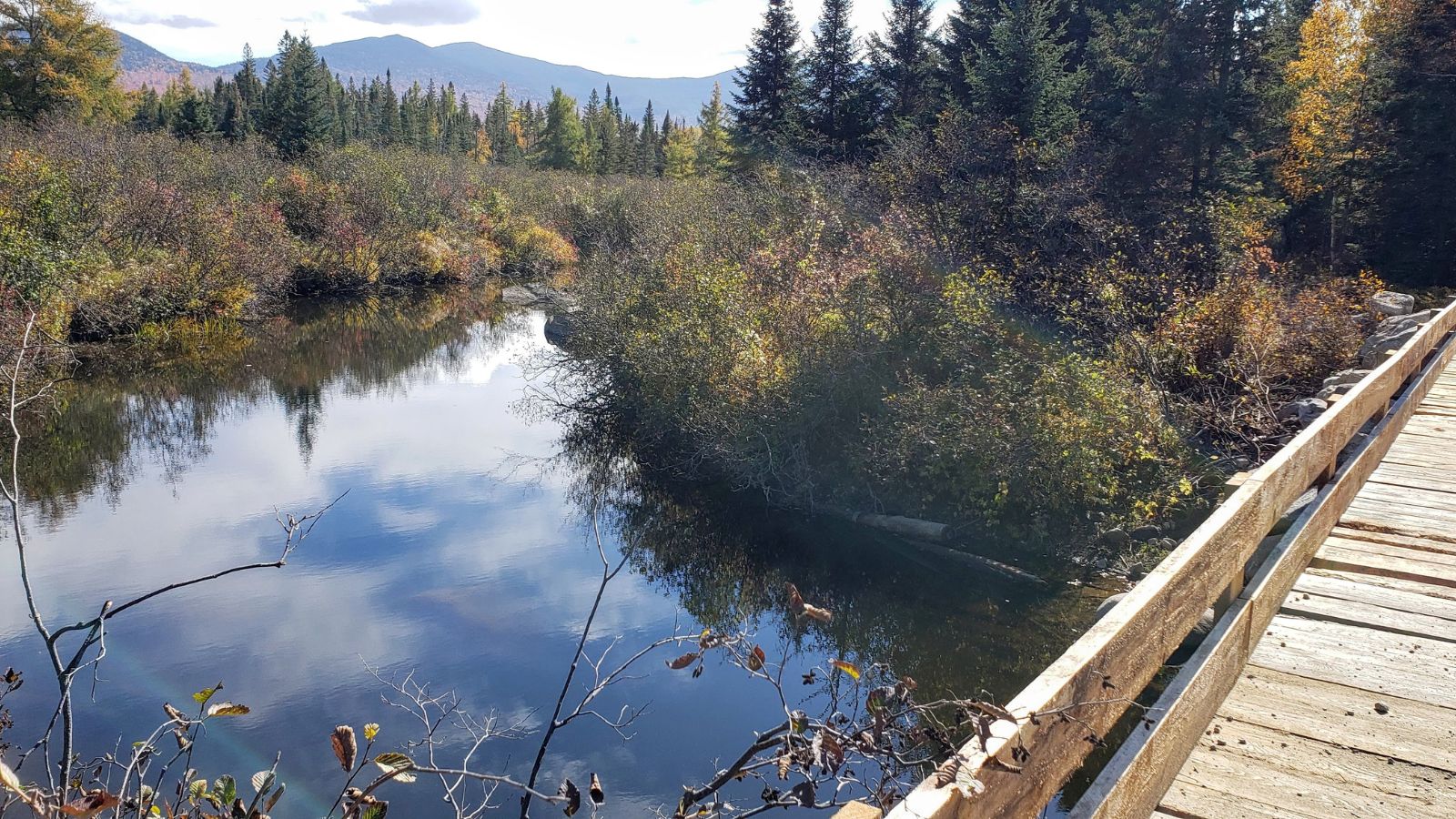
One of the undeniable attractions of off-the-beaten-path locations is the abundance of natural beauty they offer. From pristine lakes to breathtaking mountain landscapes and secluded forests, these destinations are often blessed with untouched natural wonders.
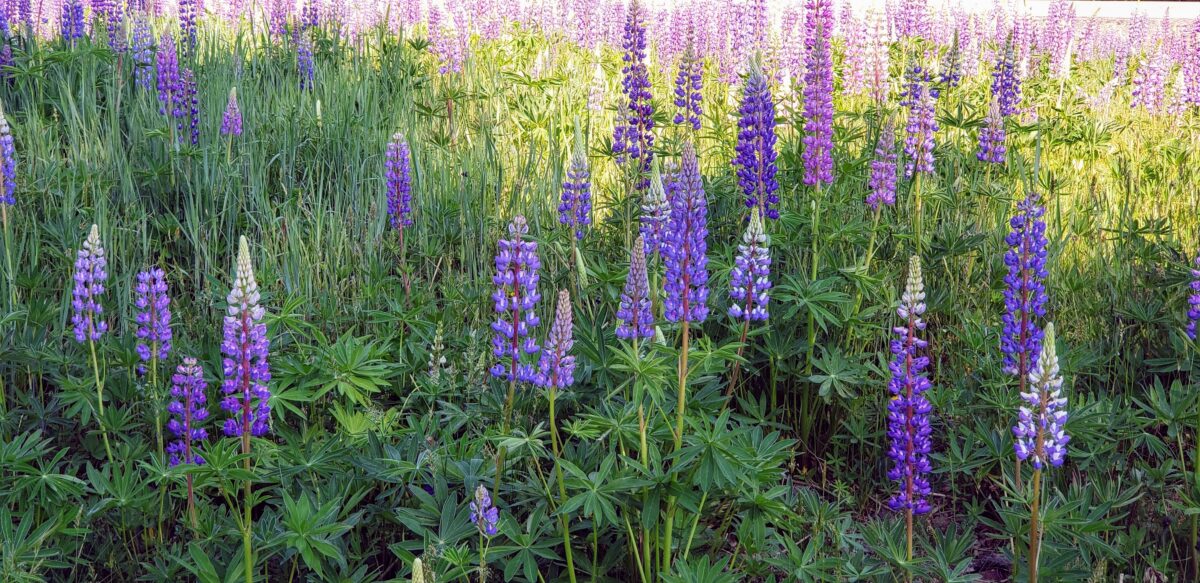
Exploring these areas allows you to connect with nature in ways that are not always possible in more developed or crowded tourist spots.
Outdoor Activities
For adventure enthusiasts, off-the-beaten-path locations are playgrounds for outdoor activities. Whether you enjoy hiking, trekking, wildlife spotting, or even extreme sports, these destinations provide ample opportunities to satisfy your thirst for adventure.
From exploring hidden trails to discovering secret caves, the possibilities for outdoor exploration and adrenaline-pumping experiences are endless. There are bear excursions nearby, as well as moose-watching and hunting.
So, if you’re looking for a travel experience that goes beyond the ordinary, consider exploring the allure of off-the-beaten-path locations.
Planning a Rural Tourism Trip
When planning a rural tourism trip, there are a few key factors to consider. From researching destinations to choosing accommodations and transportation, this section will guide you through the steps for a successful and memorable experience.
Researching Destinations
Before embarking on your rural tourism adventure, it’s essential to conduct thorough research on potential destinations. Here are some steps to follow:
- Identify your interests: Determine what type of rural experience you’re seeking. Are you interested in exploring quaint villages, engaging in outdoor activities, or immersing yourself in local culture and traditions?
- Narrow down your options: Once you have an idea of your interests, research specific regions or countries that offer the rural experiences you desire. Consider factors such as weather, attractions, local festivals, and opportunities for unique experiences.
- Read travel blogs and forums: Gain insights from fellow travelers who have visited rural destinations. Blogs and forums provide valuable firsthand information on hidden gems, off-the-beaten-path locations, and local recommendations.
- Consult travel guides: Invest in reputable guides specializing in rural tourism. These guides often provide in-depth information on various destinations, including key attractions, accommodations, and transportation options.
Choosing Accommodations
Accommodations play a crucial role in enhancing your rural tourism experience. Consider the following factors when selecting where to stay:
- Authenticity: Look for accommodations that reflect the rural destination’s charm and character. Opt for locally owned bed-and-breakfasts, farm stays, or eco-lodges to immerse yourself in the local environment.
- Proximity to attractions: Choose accommodations with convenient access to the main attractions and activities you plan to explore during your trip. This will save you precious time and allow you to make the most of your rural adventure.
- Amenities and services: Assess the amenities and services provided by potential accommodations. Depending on your preferences and needs, consider factors like Wi-Fi availability, dining options, laundry facilities, and accessibility. (They may be hard to come by in rural towns!)
- Reviews and ratings: Before finalizing your choice, read reviews and ratings from previous guests. This will provide valuable insights into the quality, cleanliness, and overall guest experience offered by the accommodation.
Transportation Options
Transportation is a crucial consideration when planning a rural tourism trip. Here are some options to consider:
- Public transportation: Research the availability of local buses, trains, or ferries that can take you to your chosen rural destination. In our area, there is NO public transportation or Uber drivers.
- Car rental: If you prefer flexibility and independence, renting a car is a popular choice for rural tourism. It allows you to explore remote areas at your own pace and access hidden gems that may not be easily reachable by public transportation.
- Guided tours: Consider joining one that specializes in rural tourism. These tours often include transportation, knowledgeable guides, and pre-planned itineraries, providing you with a stress-free and informative experience.
- Cycling or hiking: For adventurous travelers, exploring rural areas by bike or on foot can be an excellent option. Research trails, bike rentals, or guided hiking tours that allow you to immerse yourself in nature while discovering the local charm.
Remember, each rural tourism trip is unique, and personal preferences play a significant role in planning. Take the time to research, consider your interests, and select accommodations and transportation options, or lack of them, that align with your desired experience.
By doing so, you’ll set yourself up for an unforgettable adventure in off-the-beaten-path locations, as we did on our recent trip.
Authentic Experiences in Rural Tourism
Rural tourism offers travelers a unique opportunity to immerse themselves in authentic experiences that showcase the rich cultural heritage of off-the-beaten-path locations.
By engaging with local communities, participating in traditional festivals, and learning traditional crafts and skills, visitors can genuinely connect with the essence of these rural destinations.
Engaging with Local Communities
An essential part of rural tourism is the opportunity to engage with the warm, welcoming local communities. Unlike bustling cities, rural areas often foster a strong sense of community where people are happy to share their stories, traditions, and way of life.
By interacting with locals, travelers can gain a deeper appreciation for the region’s cultural practices, beliefs, and values.
Engaging with people in the community can involve everything from conversations with residents to visiting local markets to staying in homestays for an authentic experience.
During our 17-day trip, we spoke with many locals at the restaurants we visited.
Challenges of Rural Tourism
Rural tourism offers travelers the opportunity to immerse themselves in off-the-beaten-path locations and experience authentic cultural encounters. However, this type of tourism is not without its challenges.
Let’s explore some of the common hurdles faced by tourists venturing into rural areas.
Limited Infrastructure
One of the primary challenges of rural tourism is the limited infrastructure in these areas. Unlike bustling urban destinations, rural regions often lack proper transportation networks, accommodations, and public facilities.
Visitors may encounter inadequate road conditions, limited access to basic amenities, and a scarcity of modern conveniences.
These shortcomings can sometimes make it difficult for tourists to navigate and enjoy their time in rural locations.
Accessibility and Transportation Issues
Accessibility and transportation can be significant hurdles in rural tourism. Rural areas are often distant from major transportation hubs, making it more challenging and time-consuming for travelers to reach their desired destinations.
Limited public transportation options further complicate the issue, requiring visitors to rely on private vehicles or unconventional modes of transportation.
Additionally, remote locations with rugged terrain might have limited or unreliable internet connectivity and GPS signals, further complicating navigation for tourists.
Despite these challenges, rural tourism can be incredibly rewarding for those seeking unique and authentic experiences, such as moose guide tours.
By understanding and mitigating the hurdles posed by limited infrastructure and accessibility challenges, travelers can fully embrace the beauty and charm of off-the-beaten-path destinations.
Supporting Local Economies through Rural Tourism
Rural tourism is not just about exploring scenic landscapes and enjoying a peaceful getaway; it also supports local economies.
By embarking on off-the-beaten-path adventures and engaging with rural communities, travelers contribute to the growth and prosperity of small businesses, preserve cultural heritage, and encourage sustainable development.
Strengthening Small Businesses
When tourists visit rural areas, they often seek authentic experiences and products that are unique to the region. This presents a significant opportunity for small businesses in these communities.
Whether it’s a family-run bed-and-breakfast, a local restaurant serving traditional cuisine, or a craft shop showcasing handmade goods, rural tourism brings much-needed revenue and exposure to these enterprises.
By supporting local businesses, travelers help create employment opportunities and contribute to the financial stability of rural communities. Additionally, the influx of tourists can inspire entrepreneurship and encourage locals to start their ventures, further diversifying the local economy.
Preserving Cultural Heritage
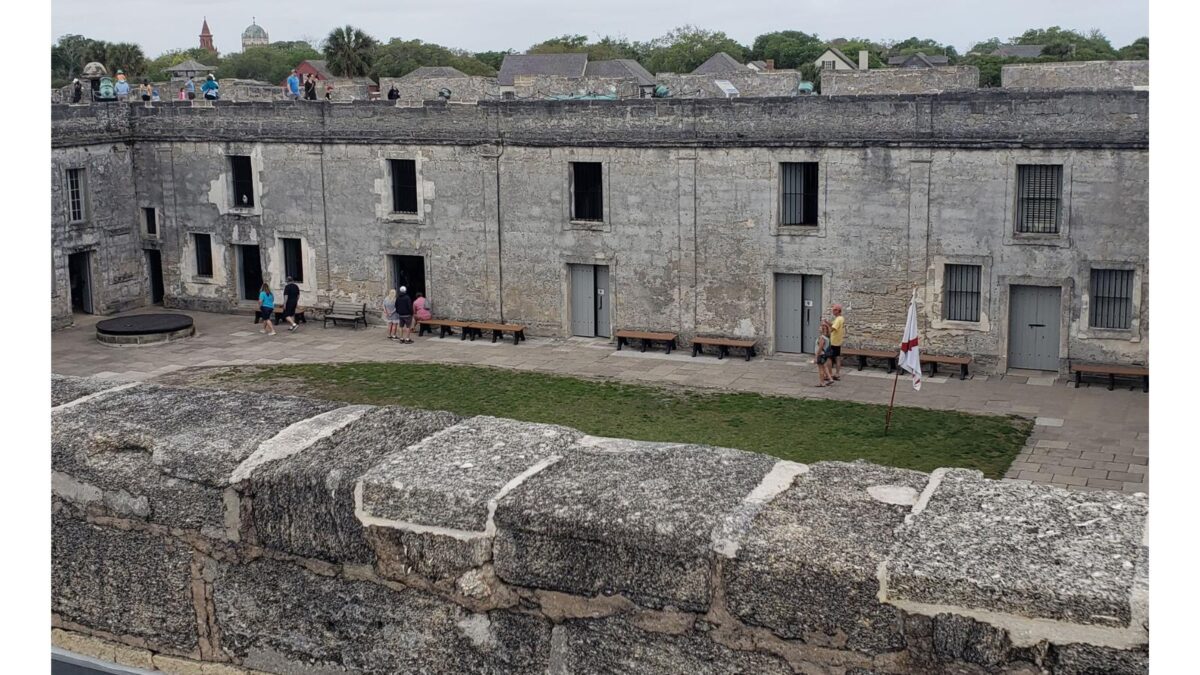
Rural areas are often rich in cultural traditions, customs, and historical sites passed down through generations. I loved visiting Gettysburg and Fort St. Augustine during our rural travels.
However, as younger generations migrate to urban areas in search of better opportunities, these traditions and cultural heritage are at risk of being lost.
Through rural tourism, visitors can immerse themselves in local culture, interact with community members, and learn about traditional practices at places like Nowetah’s American Indian Museum in rural Maine.
Conclusion: Rural Tourism
Rural tourism offers a unique opportunity for travelers seeking authentic experiences in off-the-beaten-path locations. By exploring rural areas, tourists can immerse themselves in the local culture, connect with nature, and escape the hustle and bustle of city life.
Whether it’s visiting charming villages, indulging in traditional cuisine, or participating in local festivals, rural tourism allows travelers to discover hidden gems and create lasting memories.
If you’re looking for a truly authentic travel experience, consider venturing off the main tourist routes to explore the beauty and charm of rural destinations. I’d love to hear your favorite rural trip; please leave it in a comment below.
Frequently Asked Questions About Rural Tourism
What is rural tourism?
Rural tourism is travel in rural areas, small towns, or villages rather than big cities or major resort hubs. It focuses on nature, local culture, and everyday rural life. Typical u003ca href=u0022https://ruralarealife.com/how-i-hiked-my-first-mountain/u0022u003erural trips include hikingu003c/au003e, boating, fishing, hunting, skiing, and snowmobiling, as well as visits to farms, small markets, and local events. The goal is to build a real connection with the place and the people who live there, not just check off famous sights.u003cbru003e
Why do travelers choose off-the-beaten-path rural destinations?
Travelers choose rural destinations for quiet, space, and a more genuine experience. These places usually have fewer crowds, more access to nature, and less commercial tourism. Visitors can enjoy mountain views, lakes, forests, and wildlife, and get a better sense of how people actually live in that region. Rural towns also offer seasonal experiences, u003ca href=u0022https://ruralarealife.com/snowmobile-trailers/u0022u003esuch as snowmobile trails in winteru003c/au003e and hiking or boating in summer, which many people prefer to busy city breaks.u003cbru003e
What are the main benefits of rural tourism for local communities?
Rural tourism brings money into small towns that might not have many other sources of income. Visitors stay in local bed-and-breakfasts, eat at family-run restaurants, buy from small shops, and book tours with local guides. This spending helps keep jobs in the area, supports small business owners, and encourages younger people to stay or return.
What challenges should travelers expect when visiting rural areas?
Rural trips can be rewarding, but they come with real challenges. Infrastructure is often limited, so roads may be rough, public transportation nonexistent, and internet or cell service weak. Many u003ca href=u0022https://ruralarealife.com/blue-mountain-brewery/u0022u003erural restaurantsu003c/au003e and shops keep shorter or seasonal hours and may close several days a week, especially outside peak tourist seasons. Travelers often need their own car, must plan fuel stops, and should call ahead to confirm business hours since websites and listings are not always up to date.u003cbru003e
How can I plan a successful rural tourism trip?
A good rural trip starts with research and realistic expectations. First, decide what you want most, such as hiking, skiing, local history, or quiet time by a lake. Then pick regions that match those interests and look into weather, seasons, and regional events. Choose lodging that suits the rural setting, such as farm stays or small inns, and check its distance from the activities you care about. Since many rural areas have no public transit or rideshares, plan to drive or join guided tours. Finally, call key places in advance to confirm hours, access, and any seasonal changes so you are not surprised once you arrive.u003cbru003e

Lisa moved from Southern New England to the rural mountains of Maine in 2020 with her husband. Drawing from her hands-on experience with slower-paced rural living, she shares the beauty, honest realities, and simple pleasures of life in the Maine woods, along with their rural travels across the United States and abroad.